









Bestsellers
Bestsellers
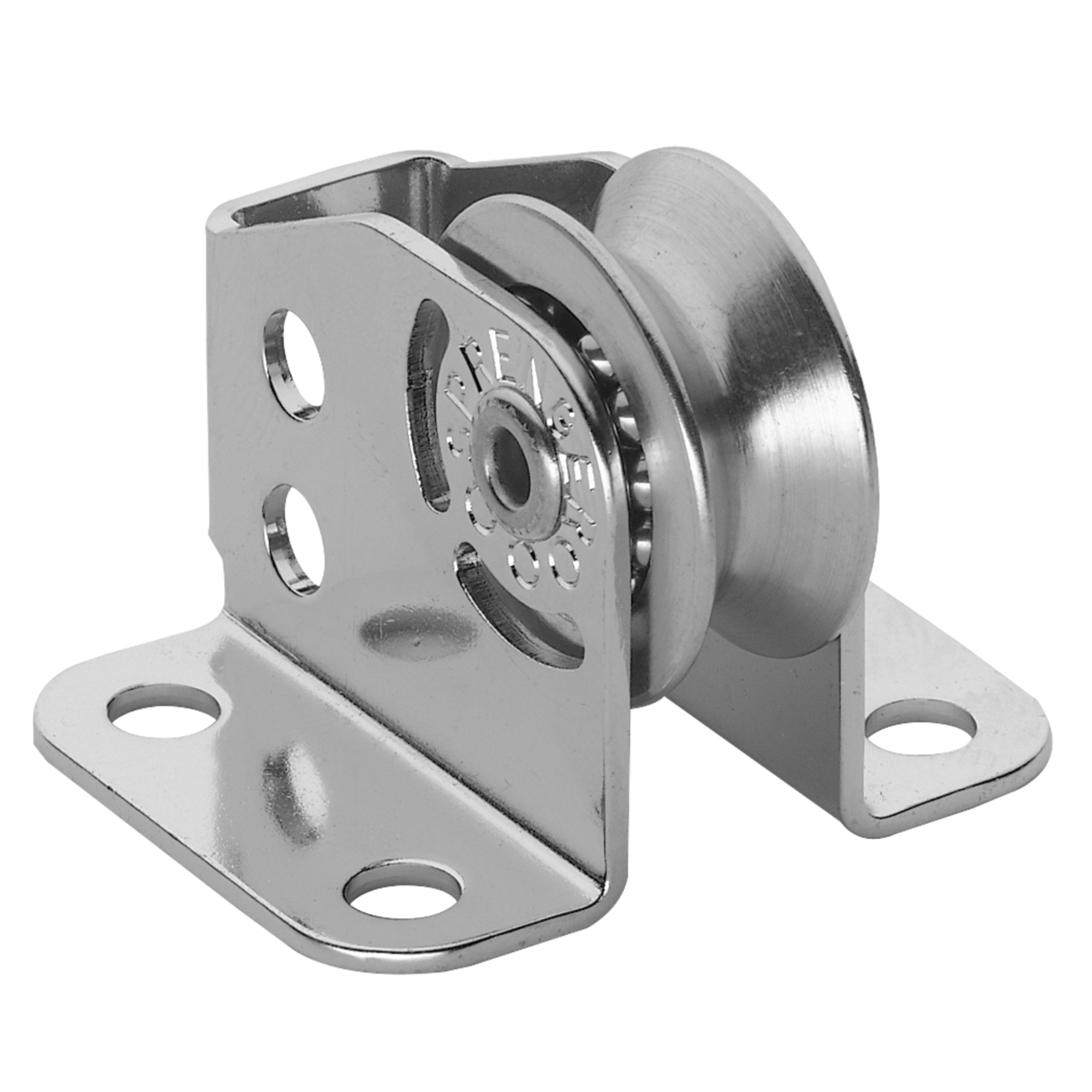
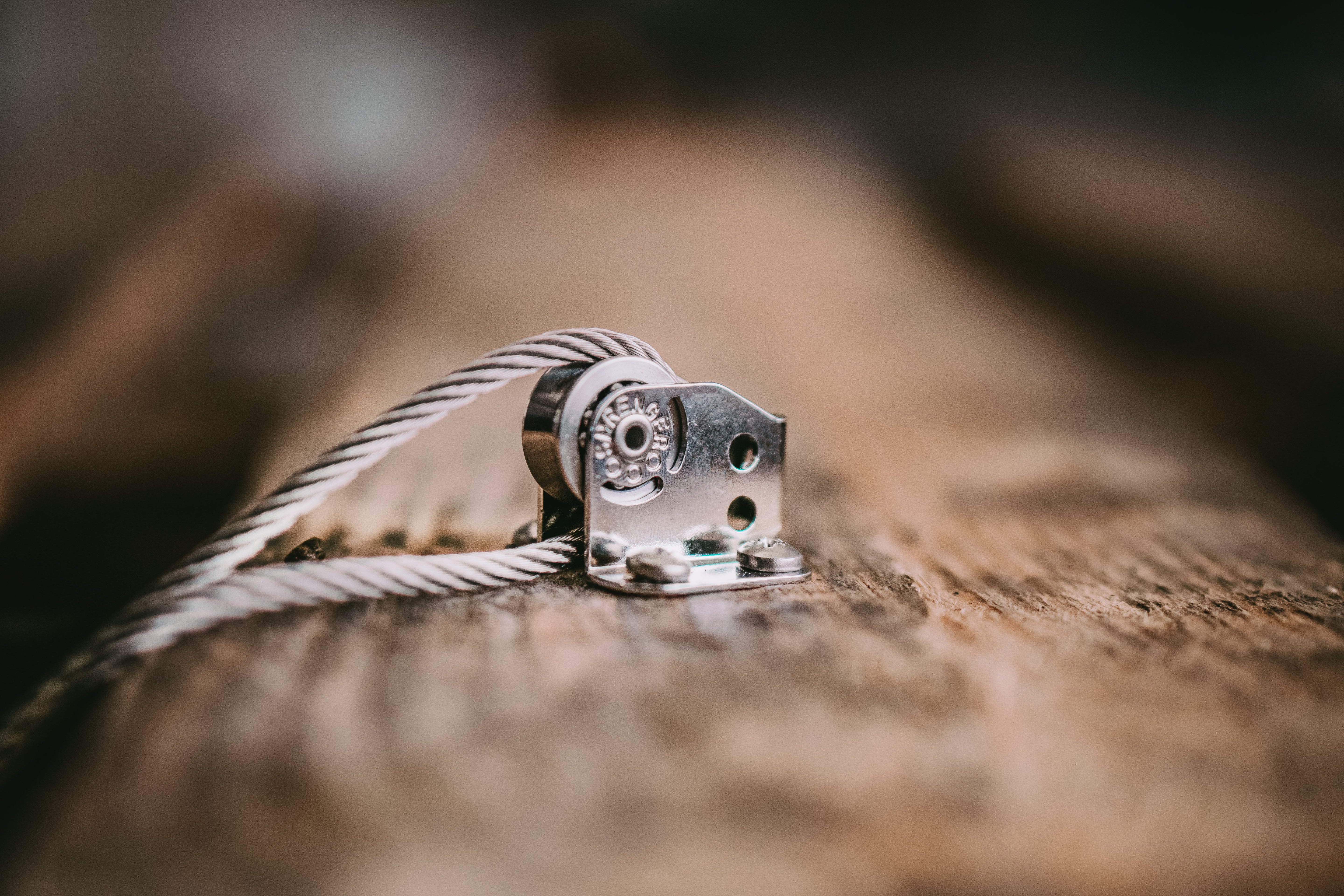
Seilrollen und Umlenkrollen an Bord: Die richtige Blockauswahl für jedes System
Ob Fahrtensegler oder Regattacrew: Die passende Seilrolle bzw. Umlenkrolle entscheidet darüber, wie leichtgängig, belastbar und langlebig ein System an Bord läuft. SPRENGER bietet dafür ein breites...
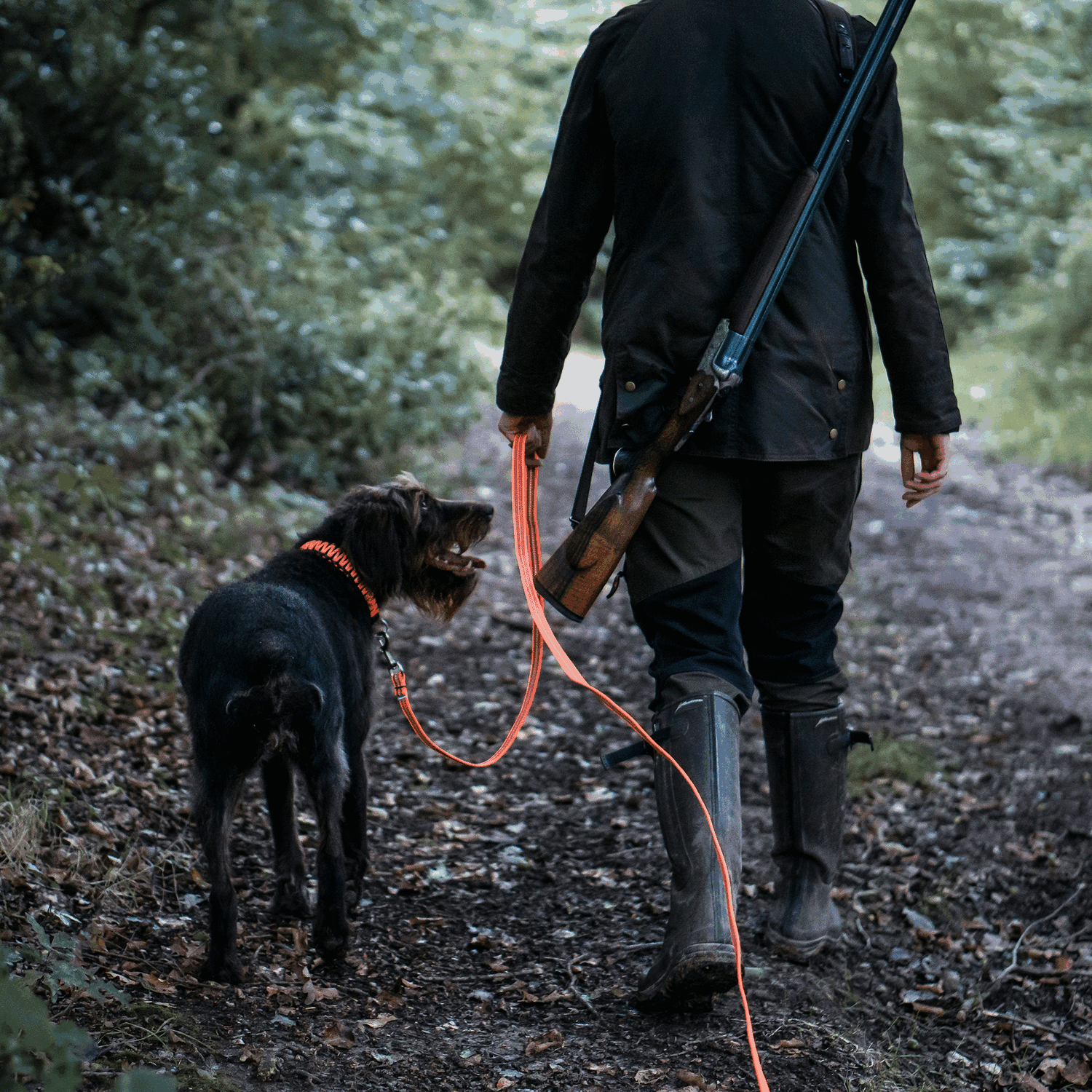
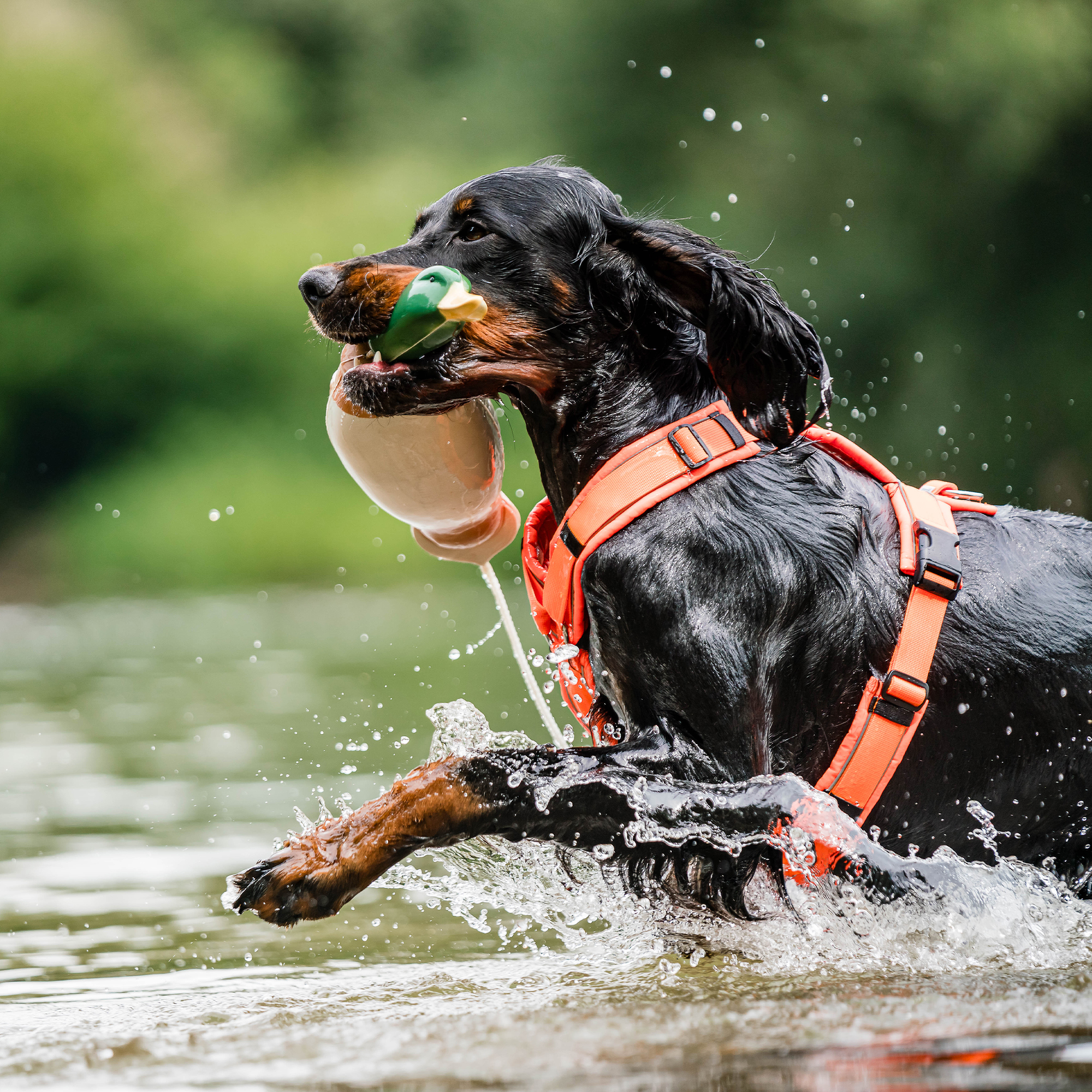
Equipment for Hunting Dogs - The ultimate guide to the perfect gear
The right equipment is important for the success, safety, and well-being of the hunting dog. Find out here what you need to know about hunting dog equipment!
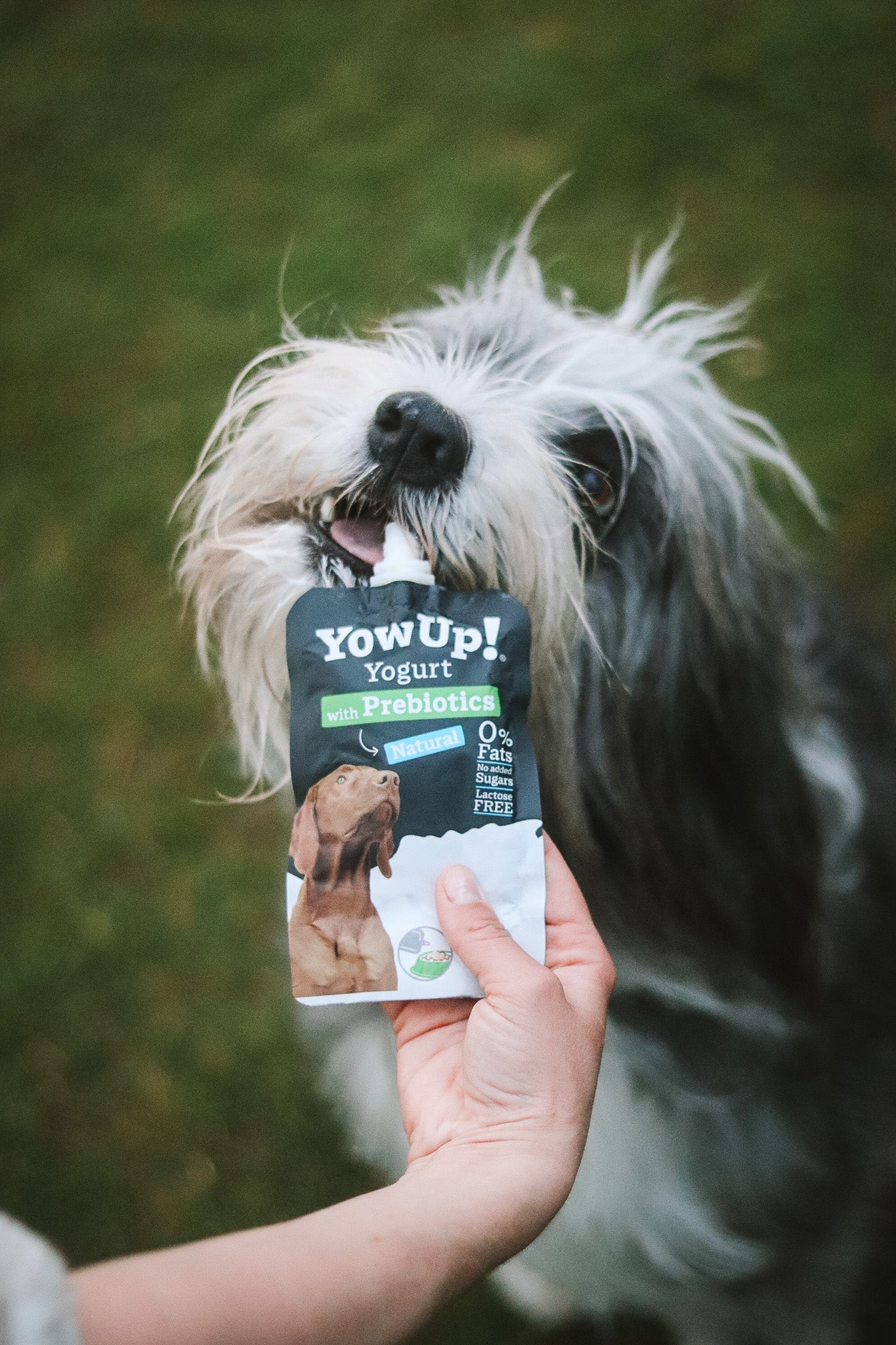
Dog yogurt and dog ice cream – perfect on hot days or year-round as a food supplement
On hot summer days or as a special treat all year – dog ice cream and dog yogurt. Find out here how you can use them and what you should pay attention to!
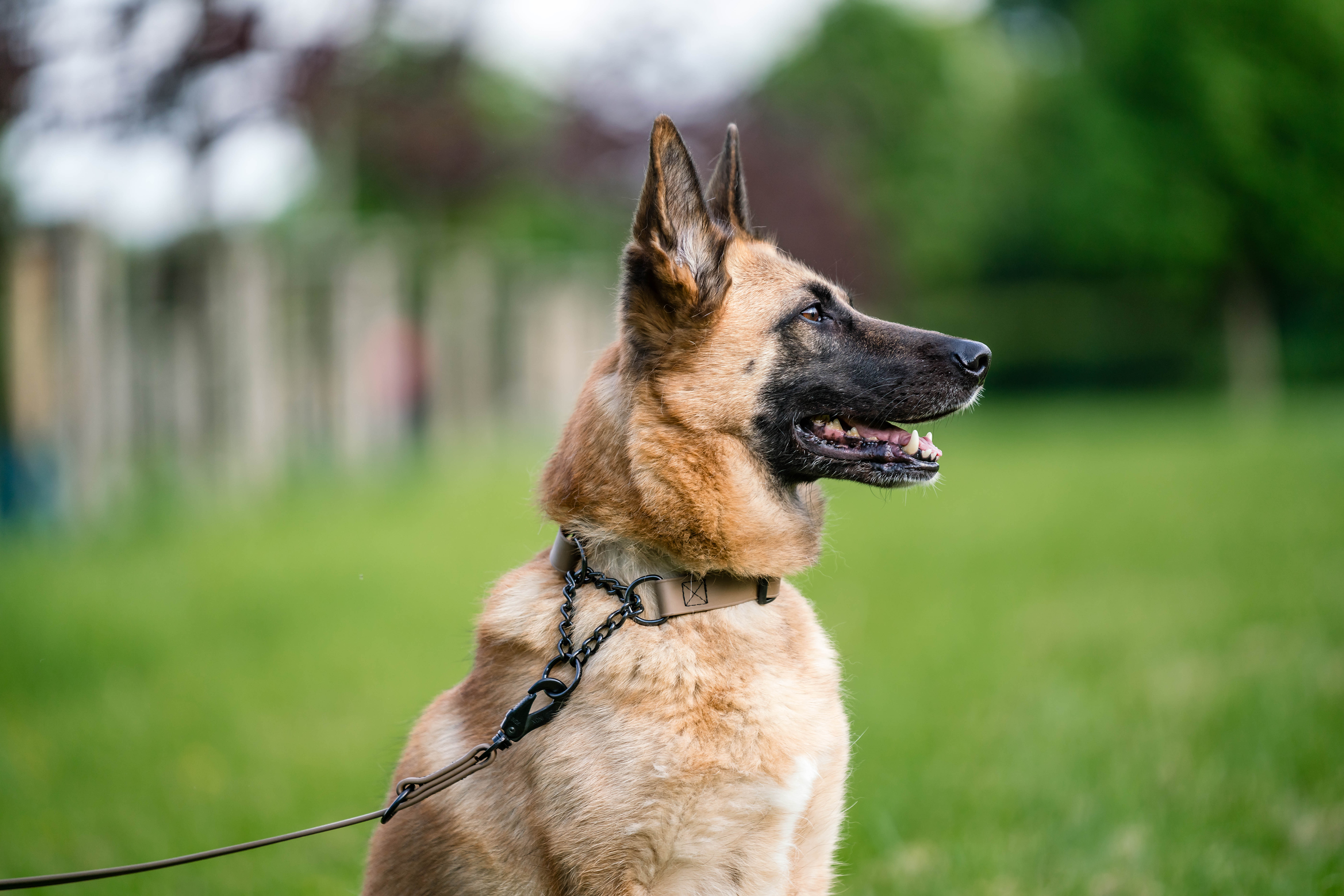
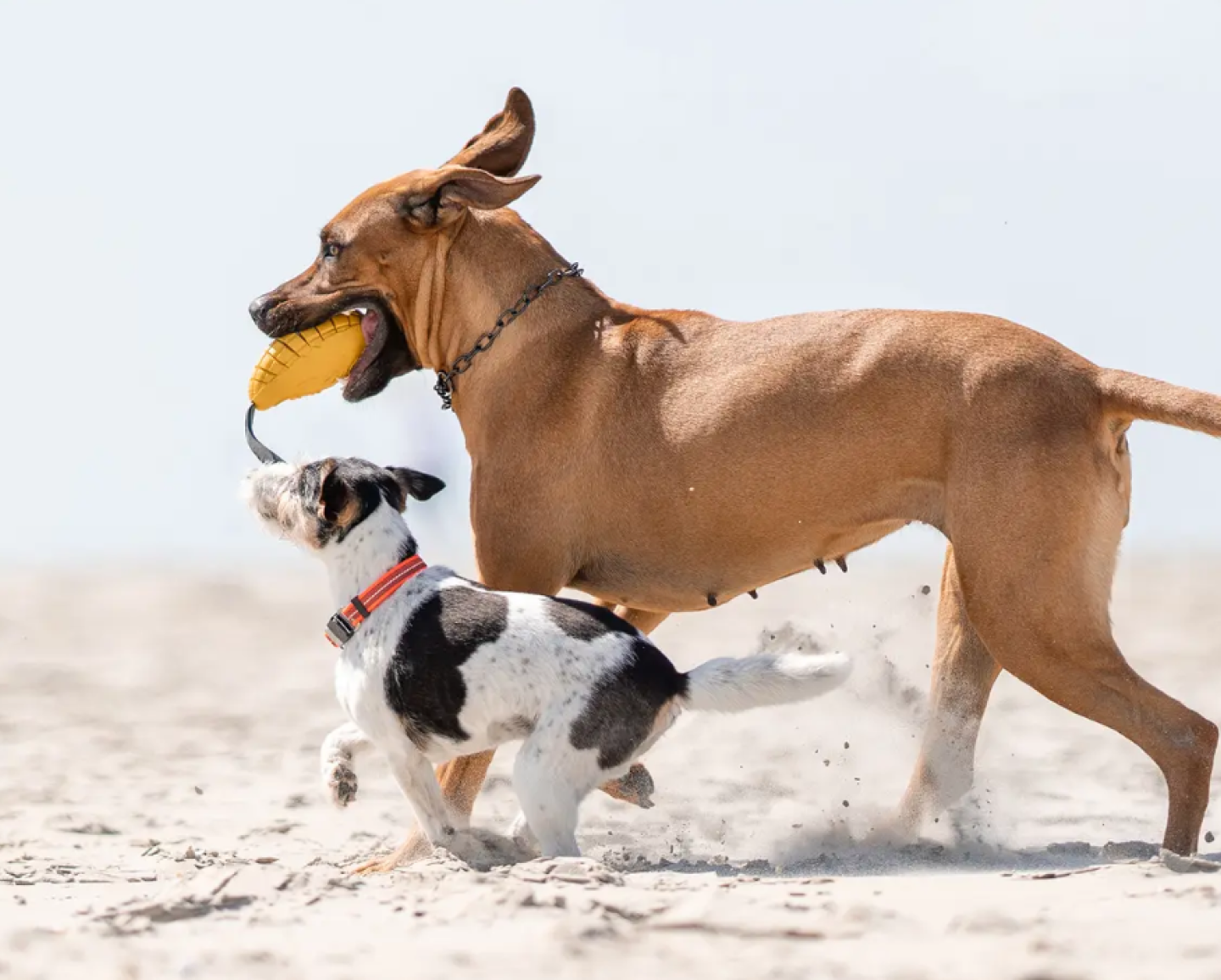
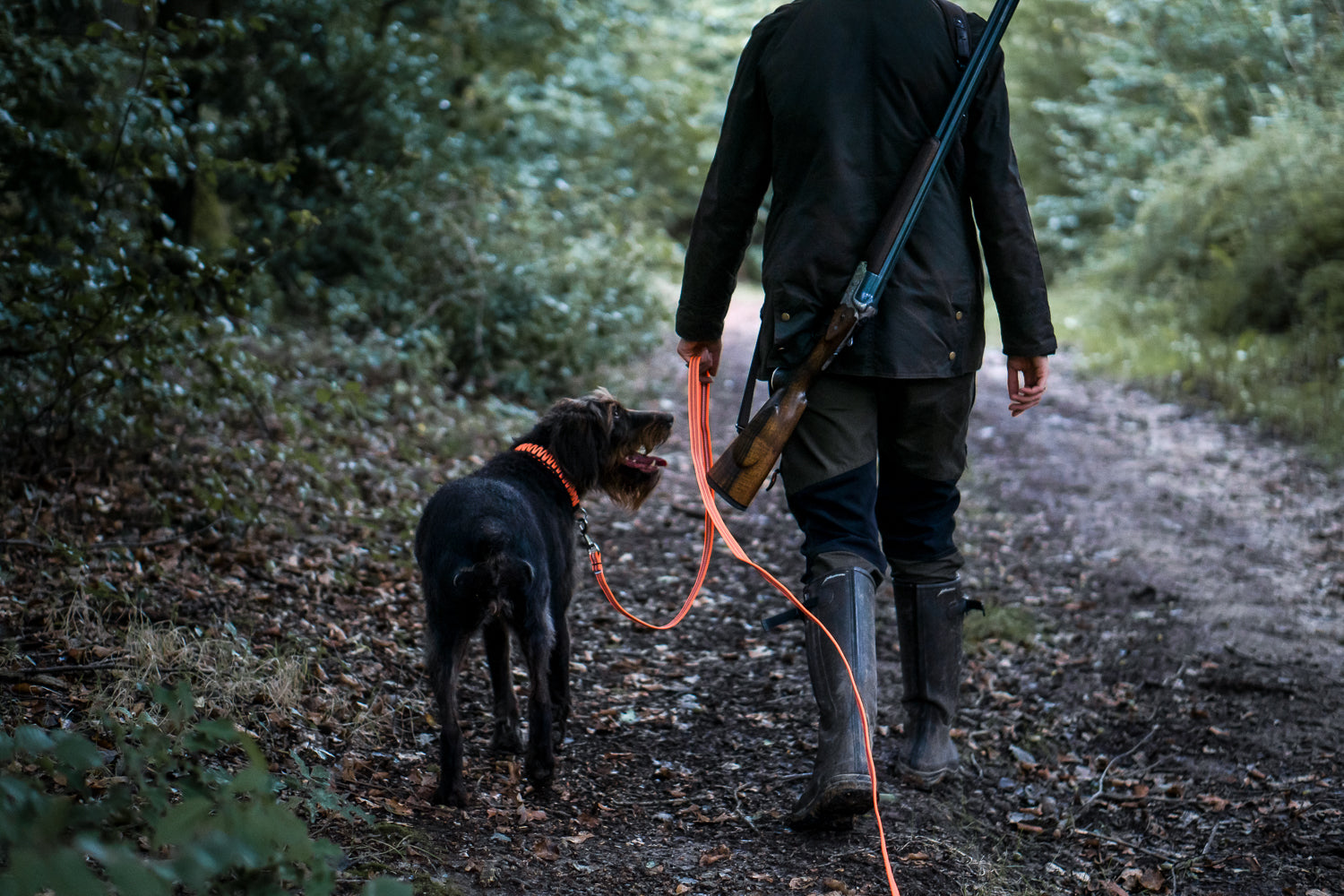
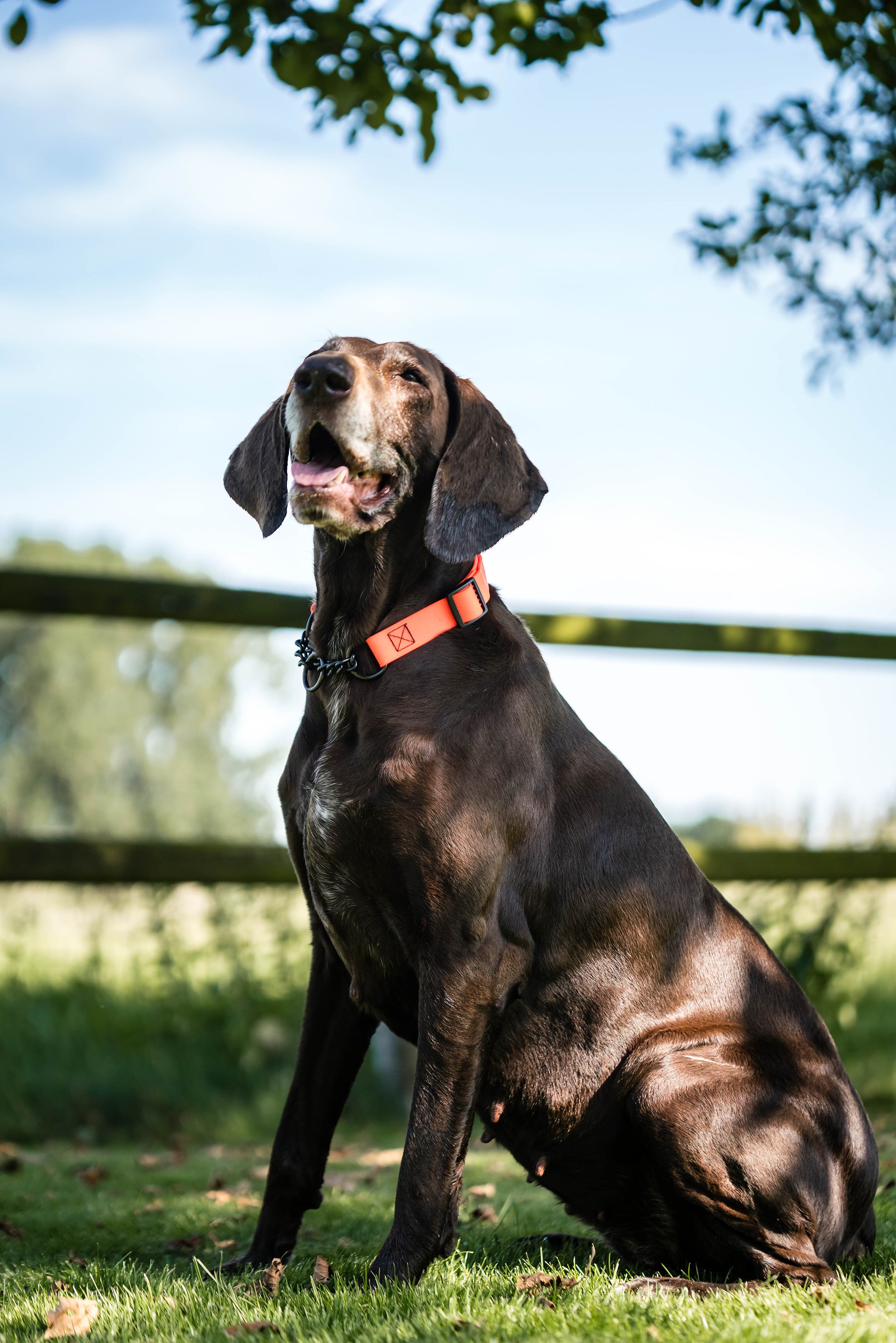
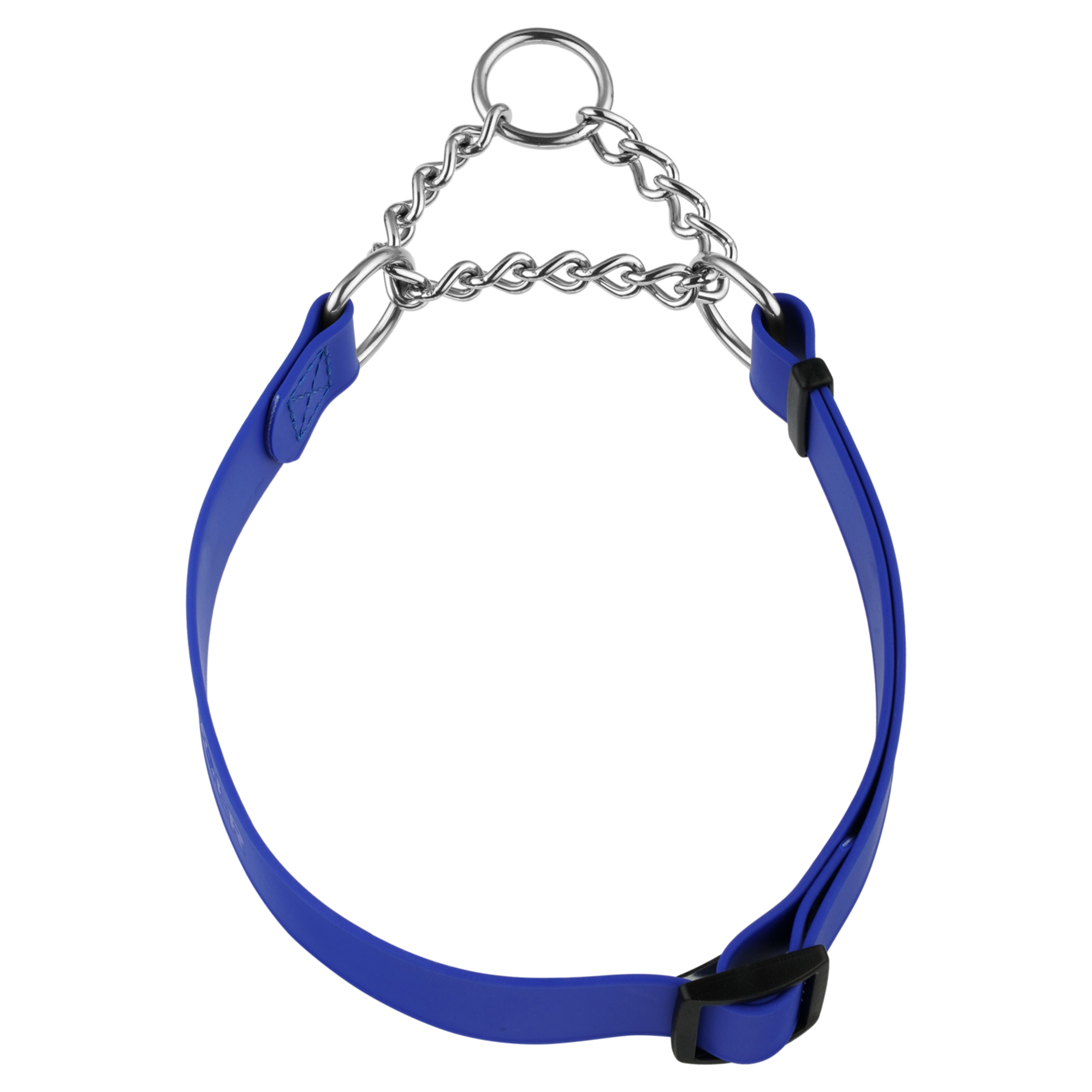
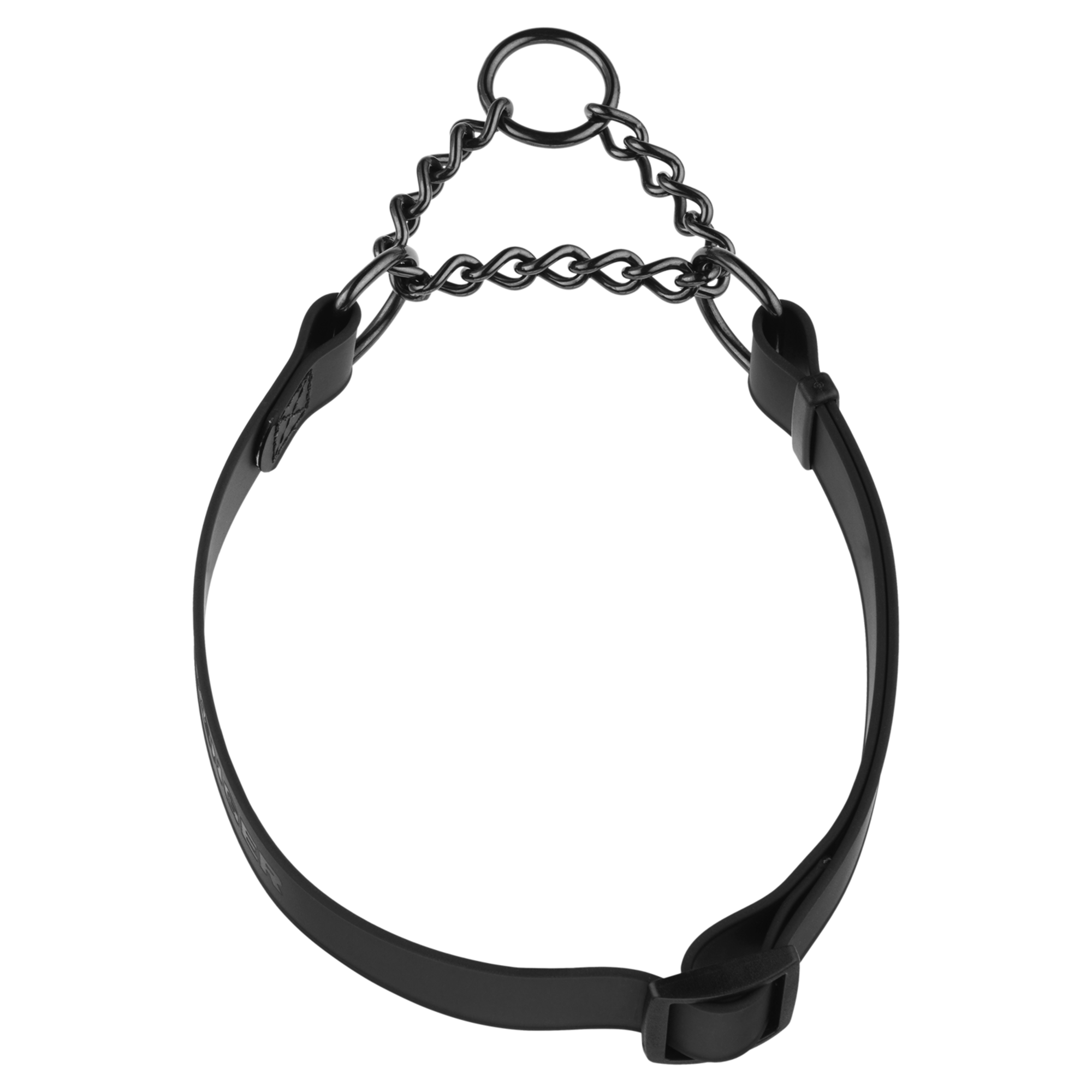
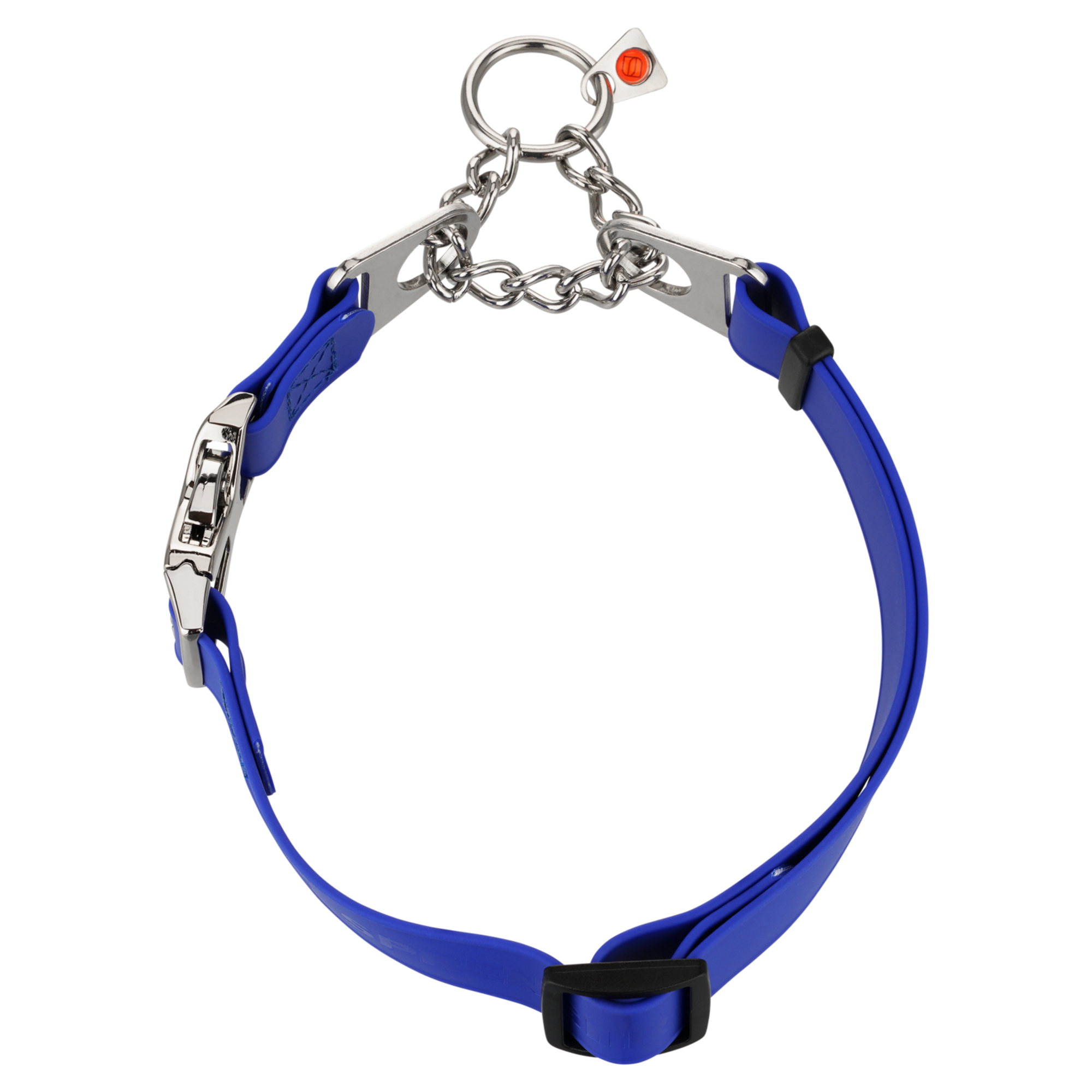
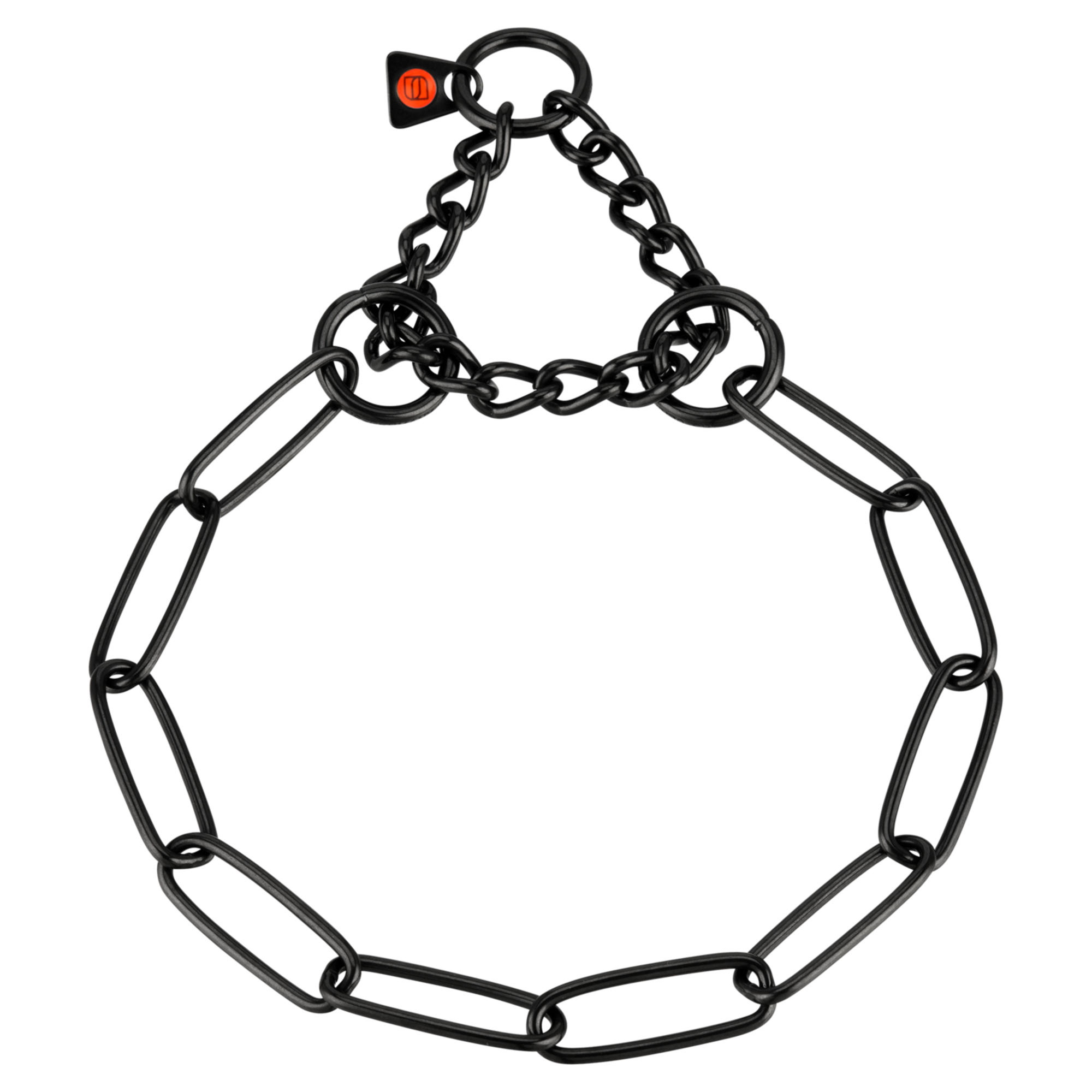
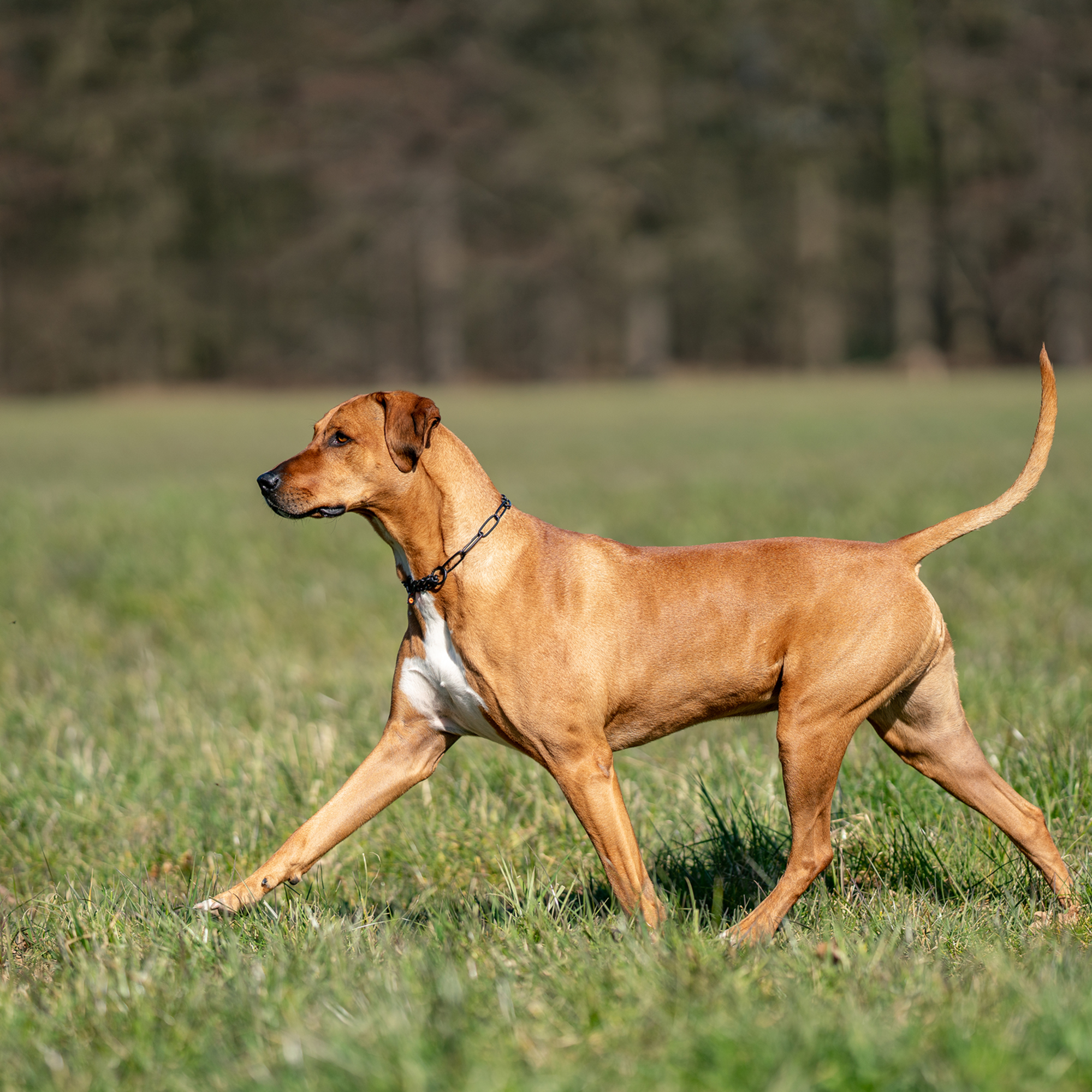
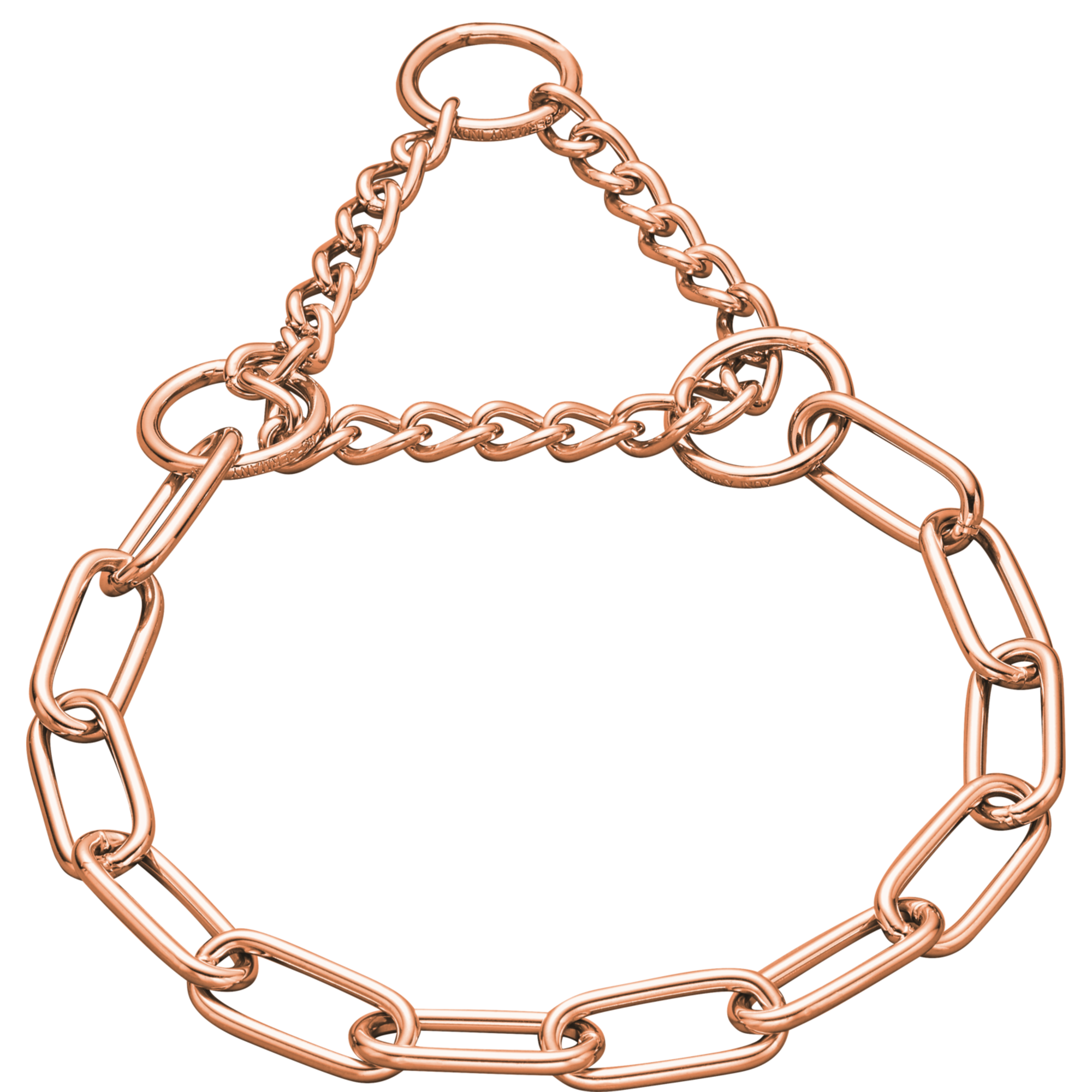
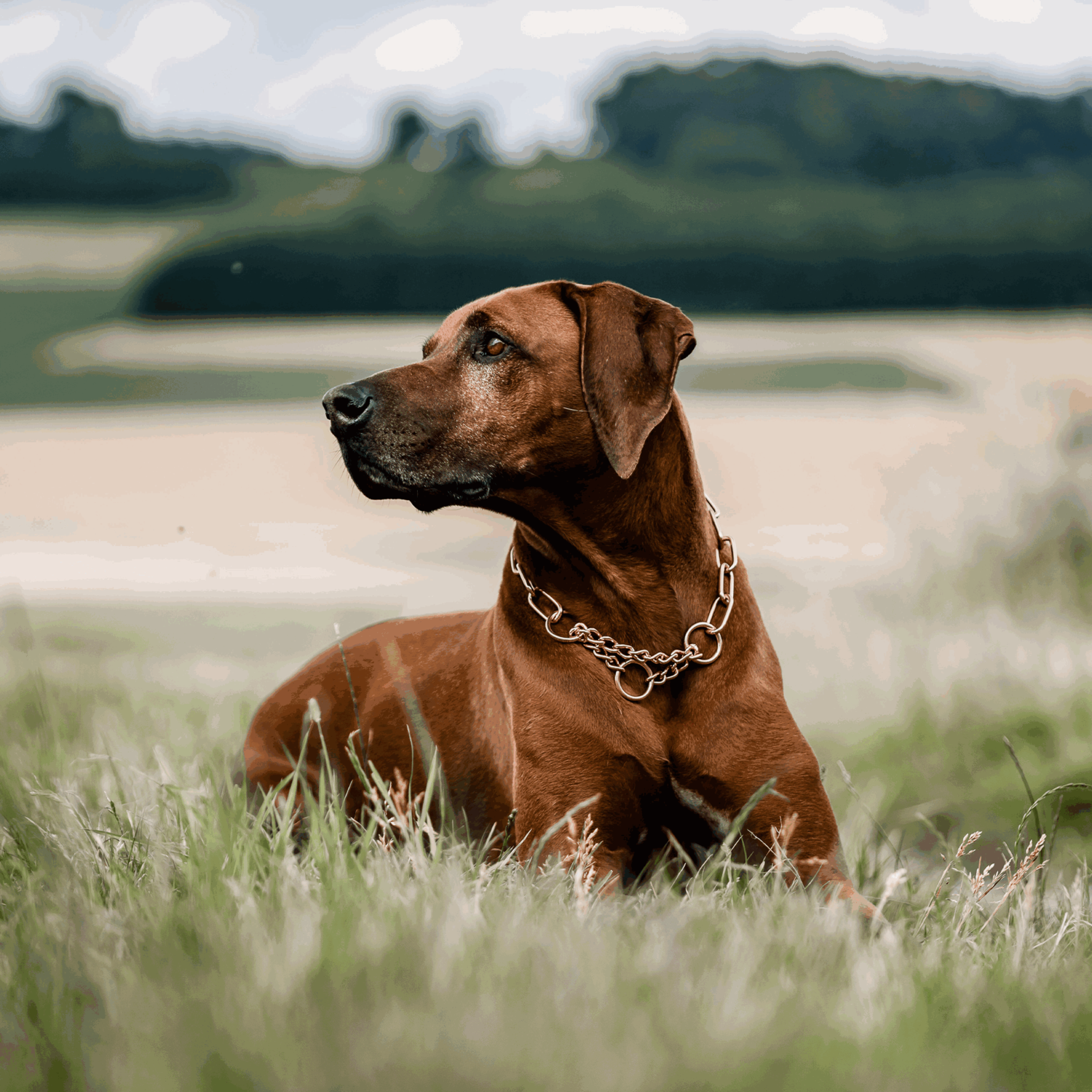
Have you ever heard of a martingale collar and wondered what it's all about? We'll tell you!
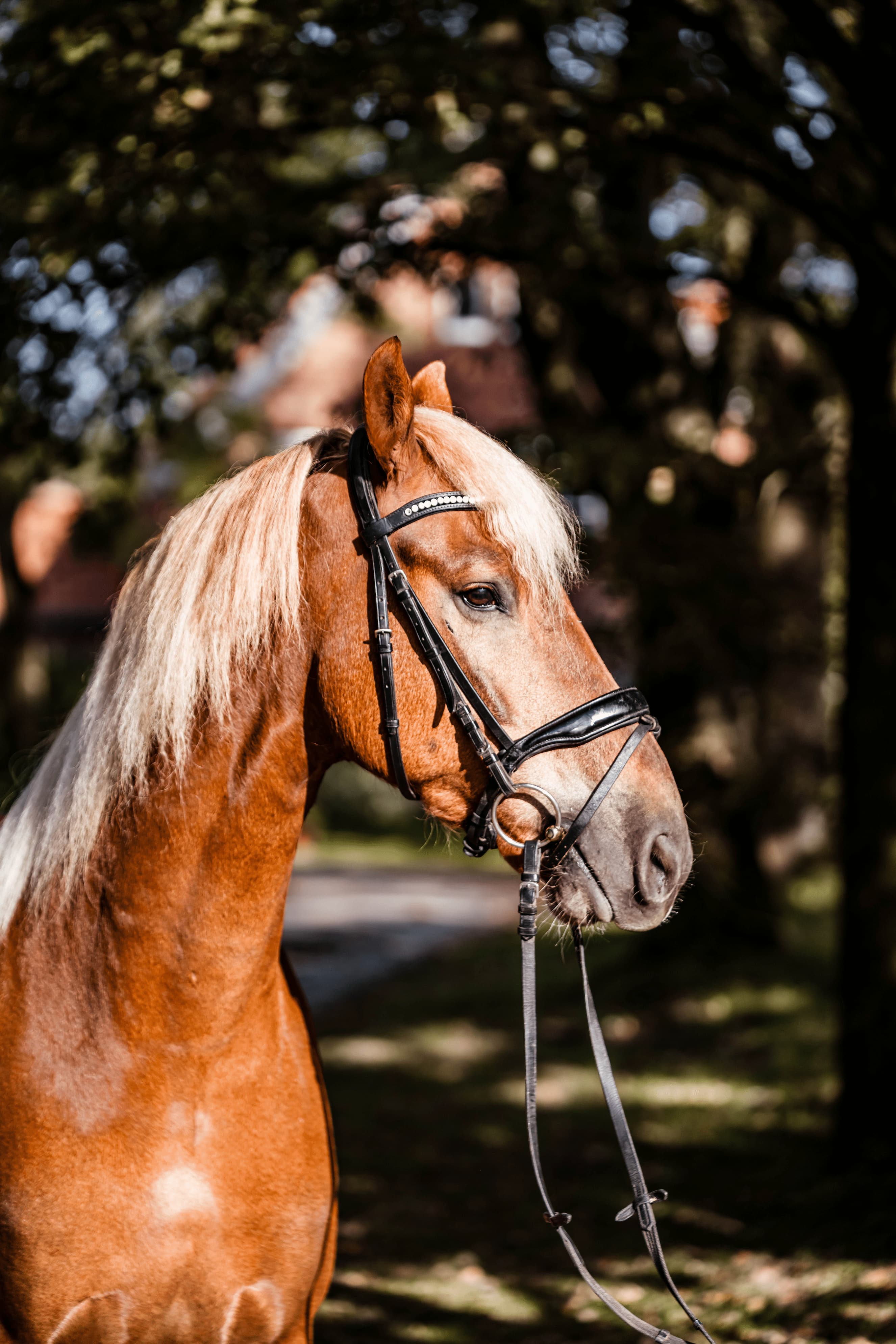
Draft horse bits: The right choice for large horses
Draft horses often have wide mouth gaps but not necessarily more space in the mouth. SPRENGER also offers bits for these heavy breeds that meet the anatomical requirements, whether in riding or dri...
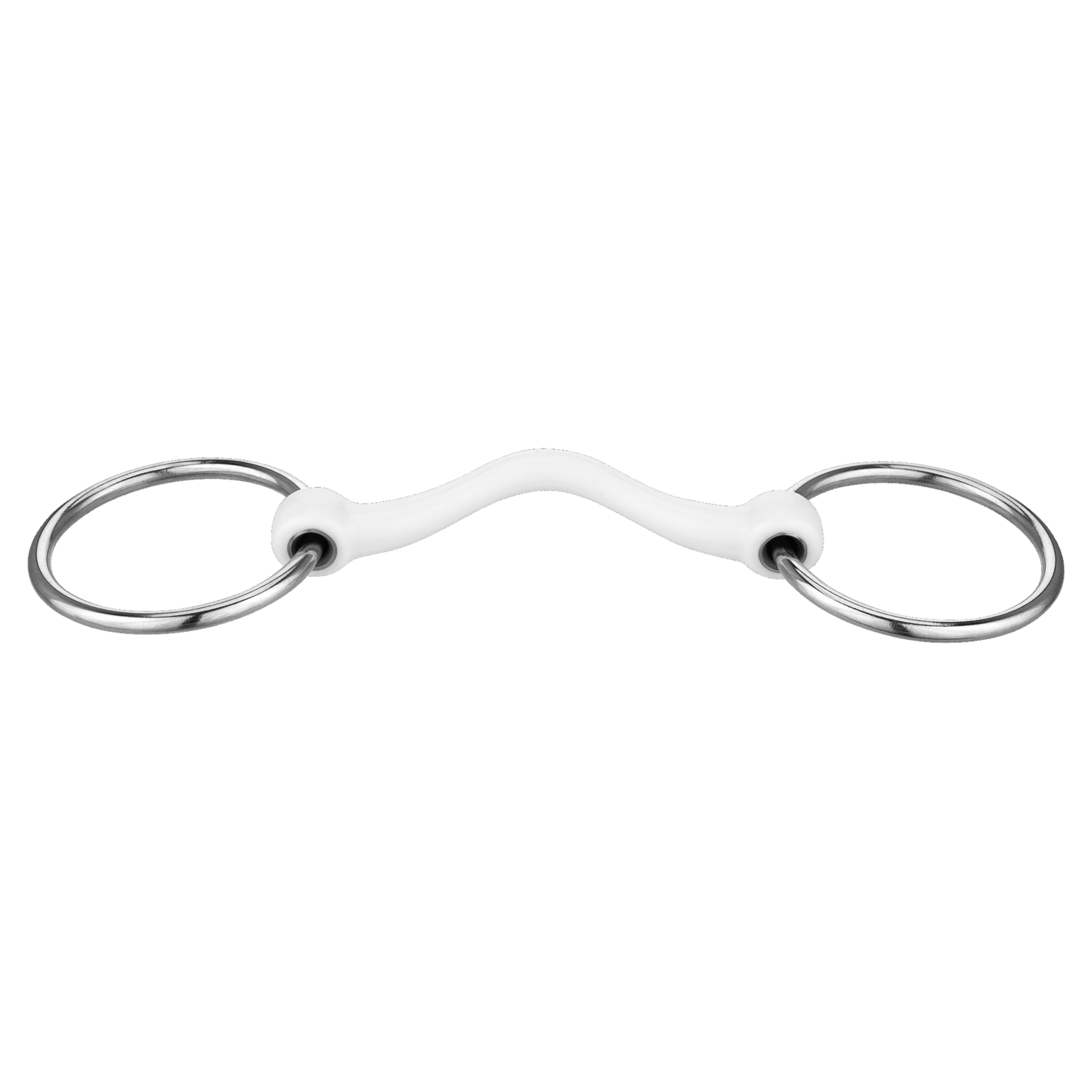
Discover the new NATHE CM bits! These straight bar bits feature a forward-sloping port and angled cheekpieces – for maximum comfort in the horse's mouth!
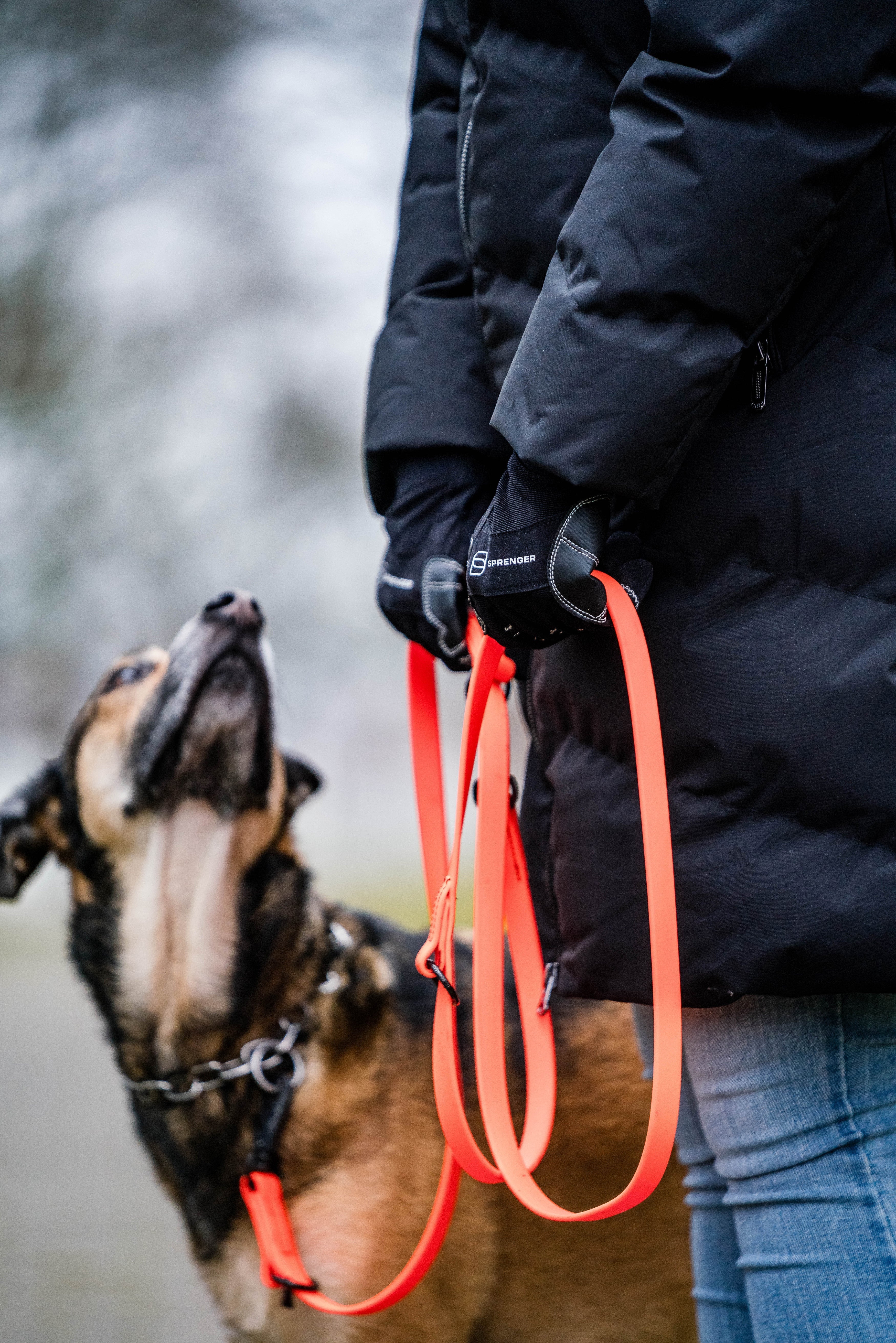
Do dog owners really need to buy special gloves? Absolutely! Gloves for dog owners have many advantages, and we'll tell you what they are here.

LPO changes and SPRENGER products
What will change for SPRENGER products with the new LPO? Here you will find all the important information and alternatives to the products.
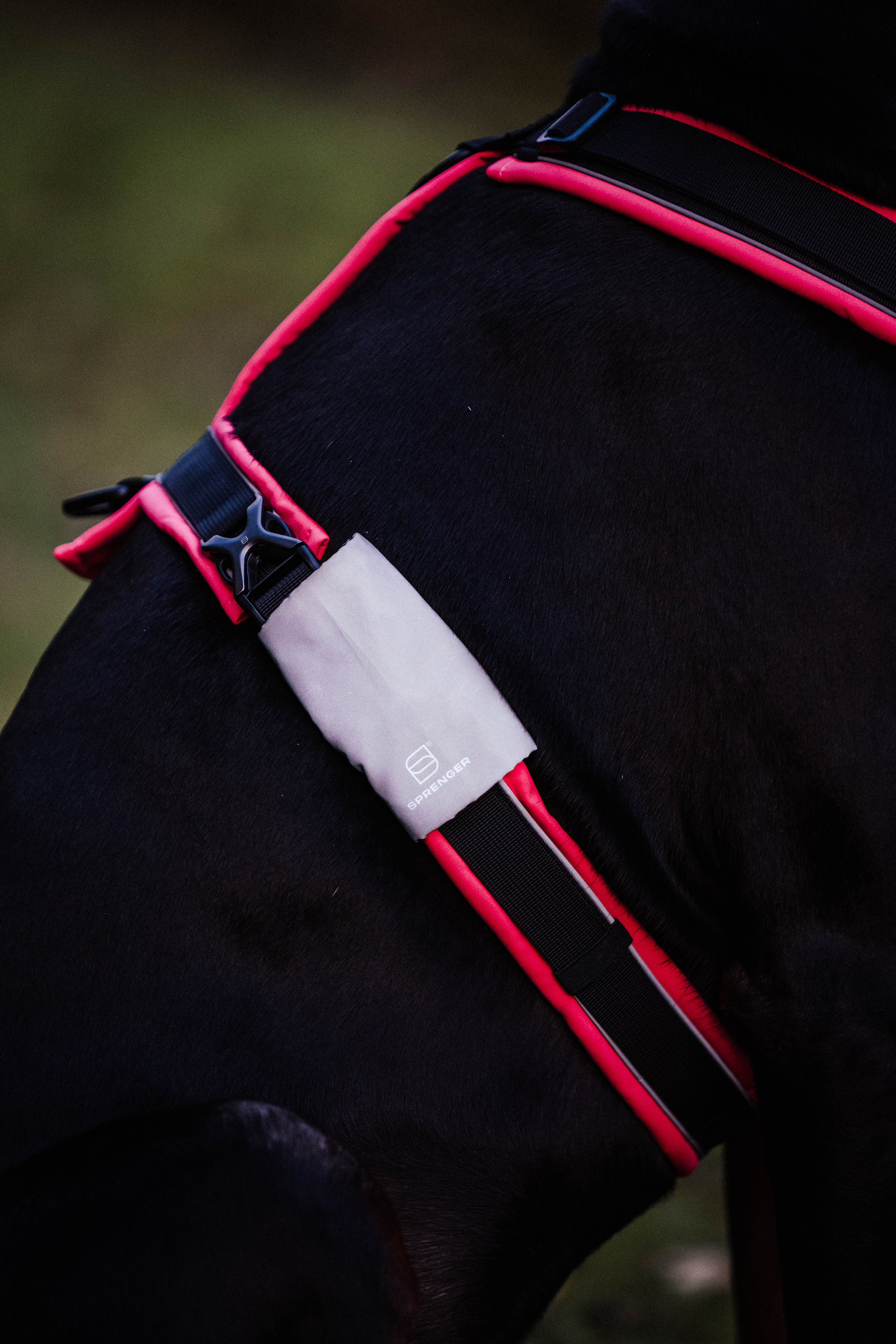
Reflective patches for dog gear
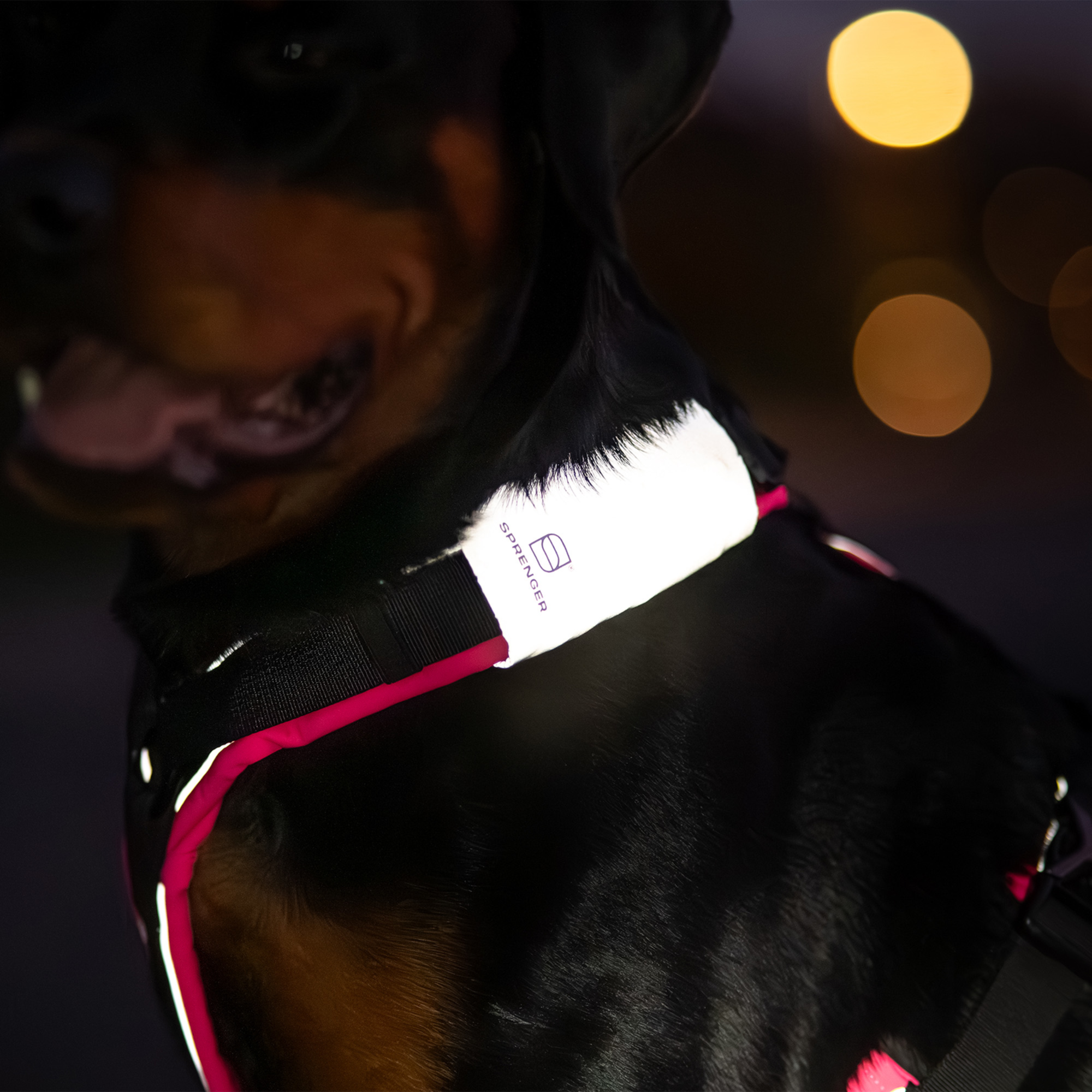
You don't have reflective patches for yourself and your dog yet? Then it's high time you did! Our blog post will tell you everything you need to know about reflective patches.
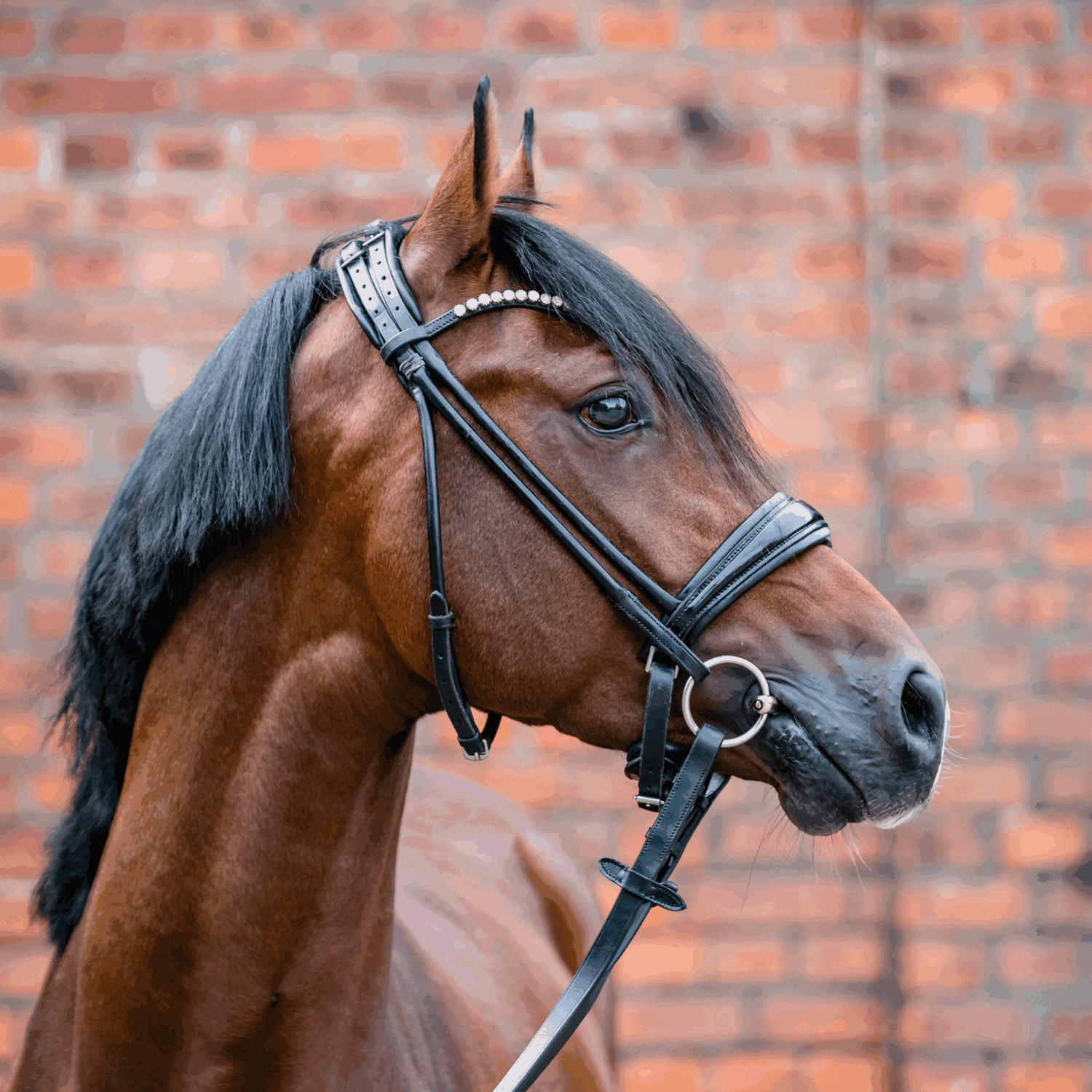
Are you looking for the right bit for your horse? Our blog post provides guidance on what to look for and what information you should bring to us for a bit consultation.
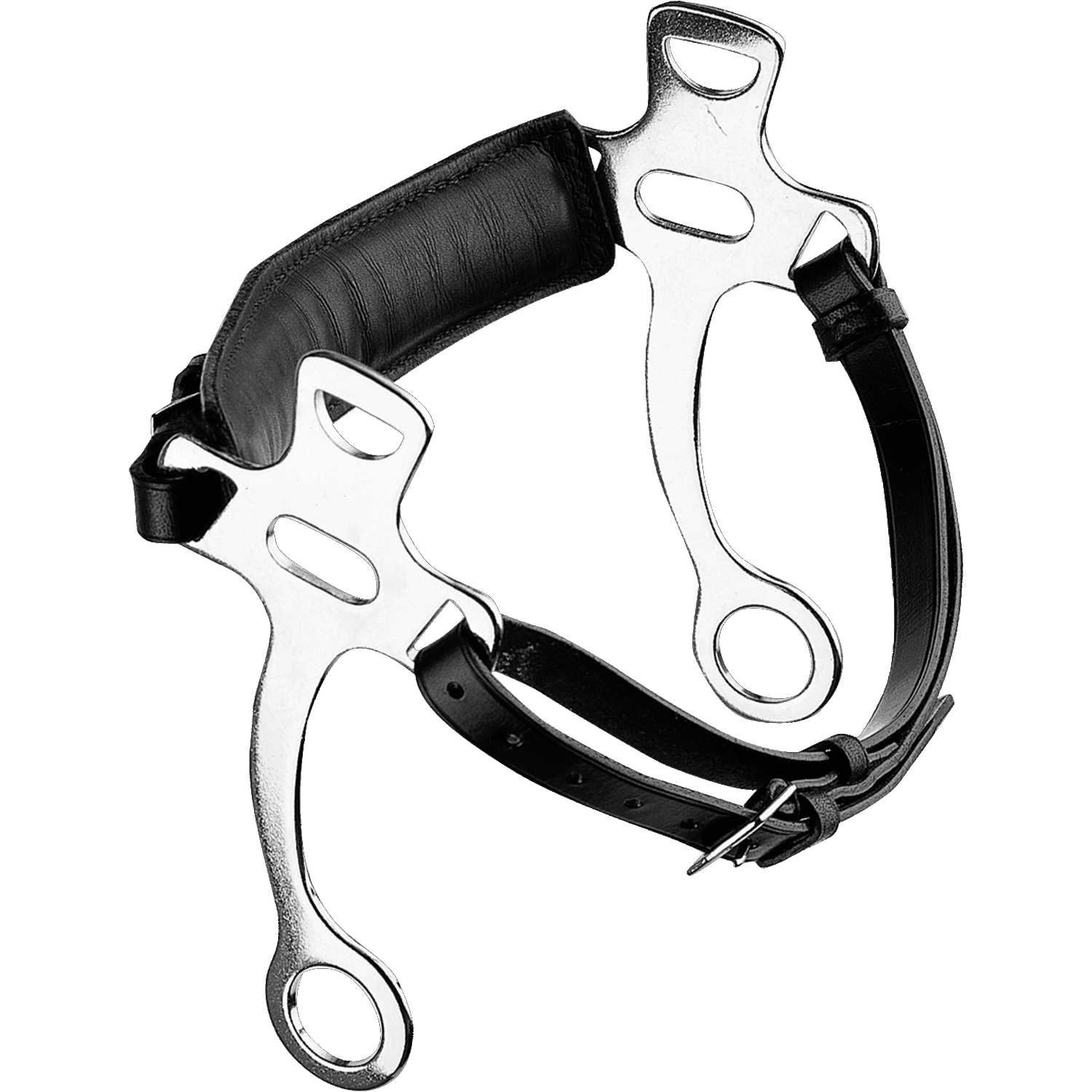
Bitless Riding, or When a Hackamore Can Be a Viable Alternative to a Bit
When is bitless riding a smart alternative to riding with a bit? And how does a hackamore actually work? Our article has the answers.
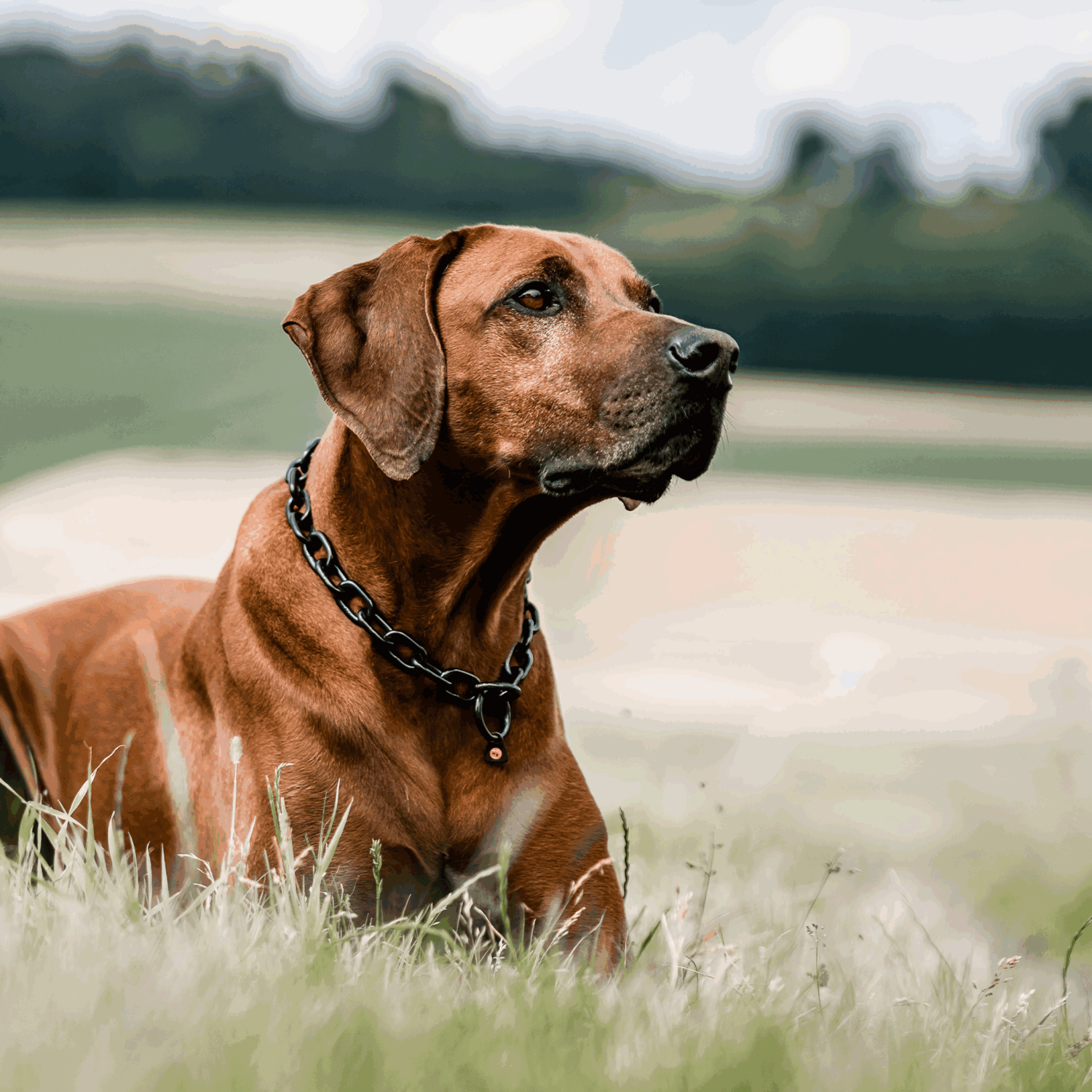
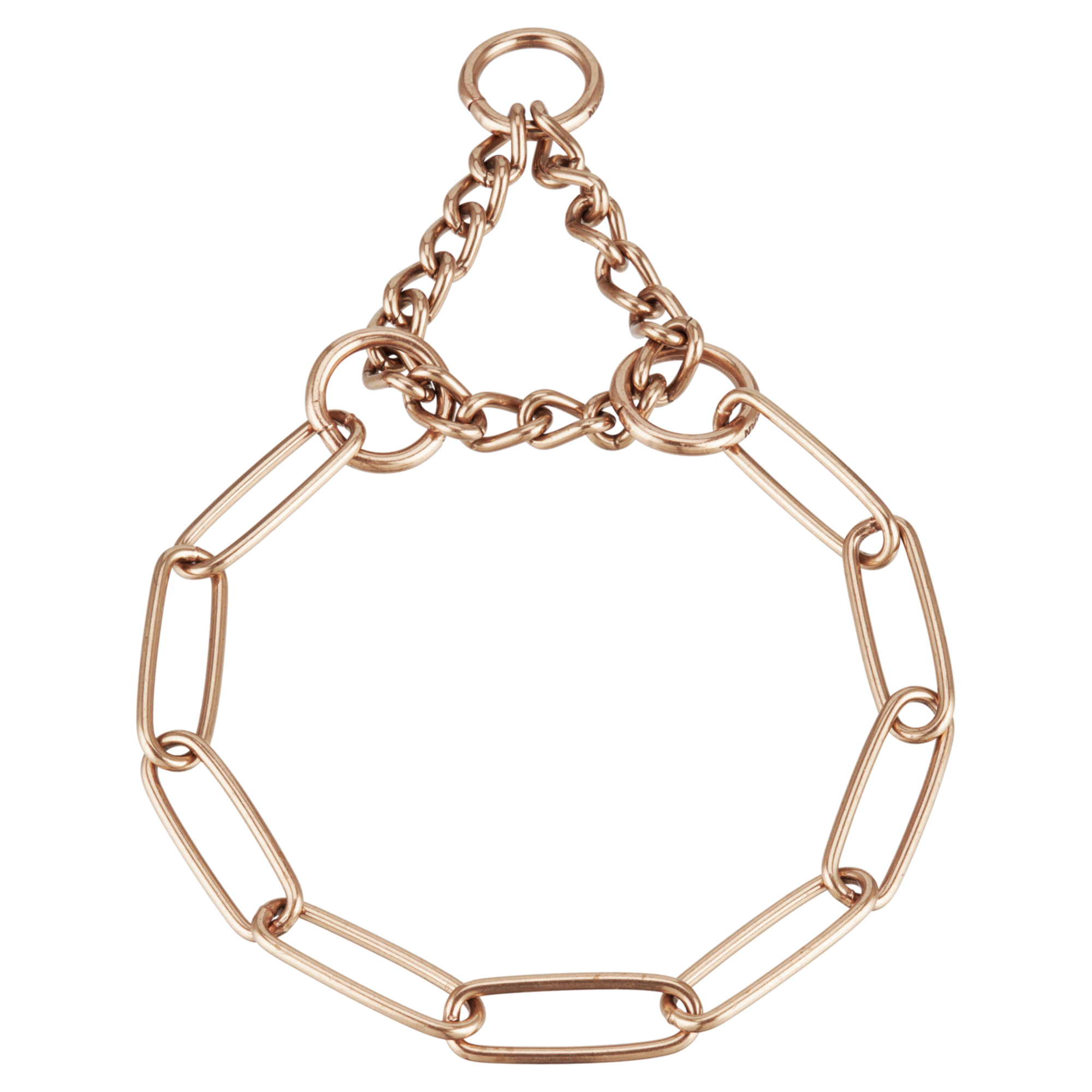
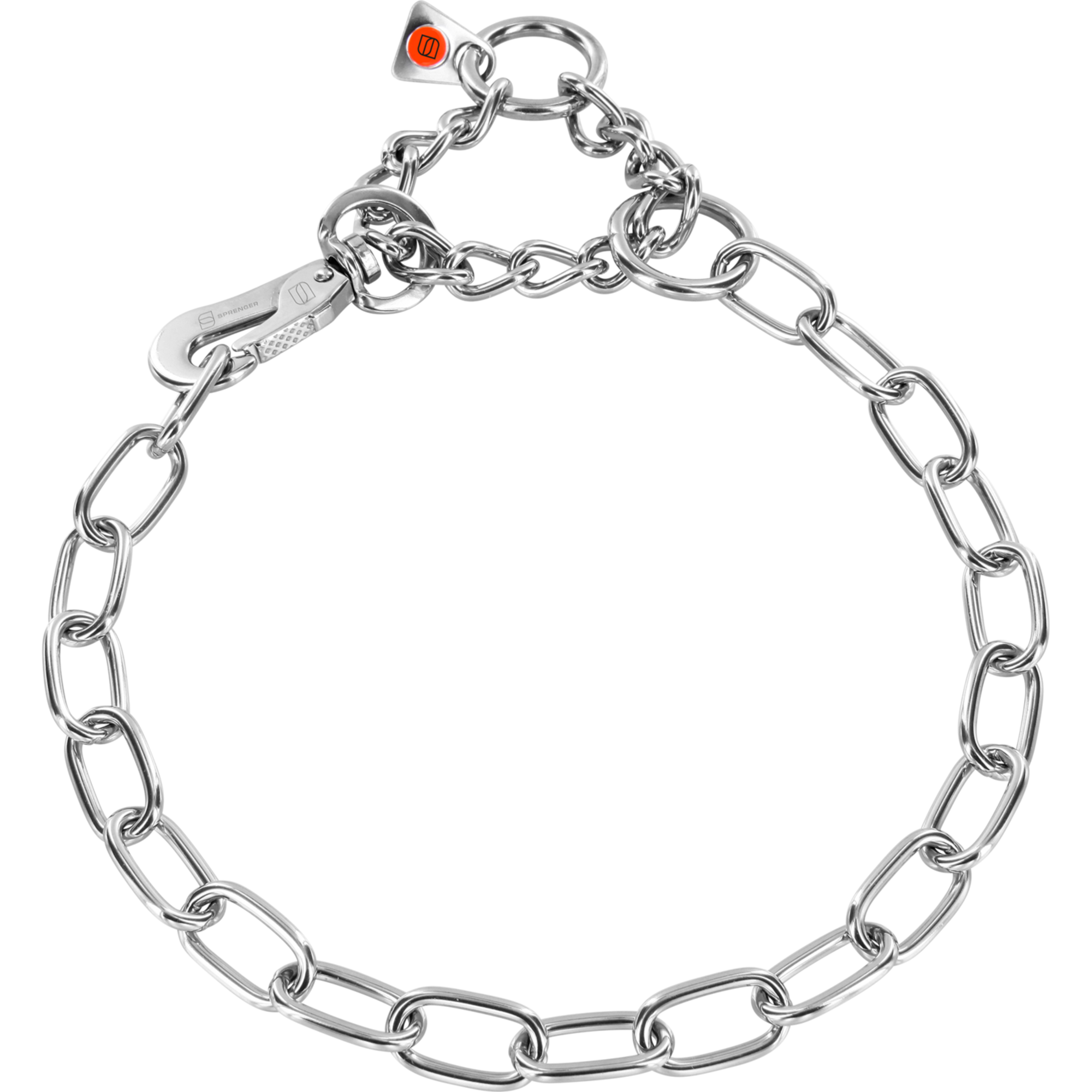
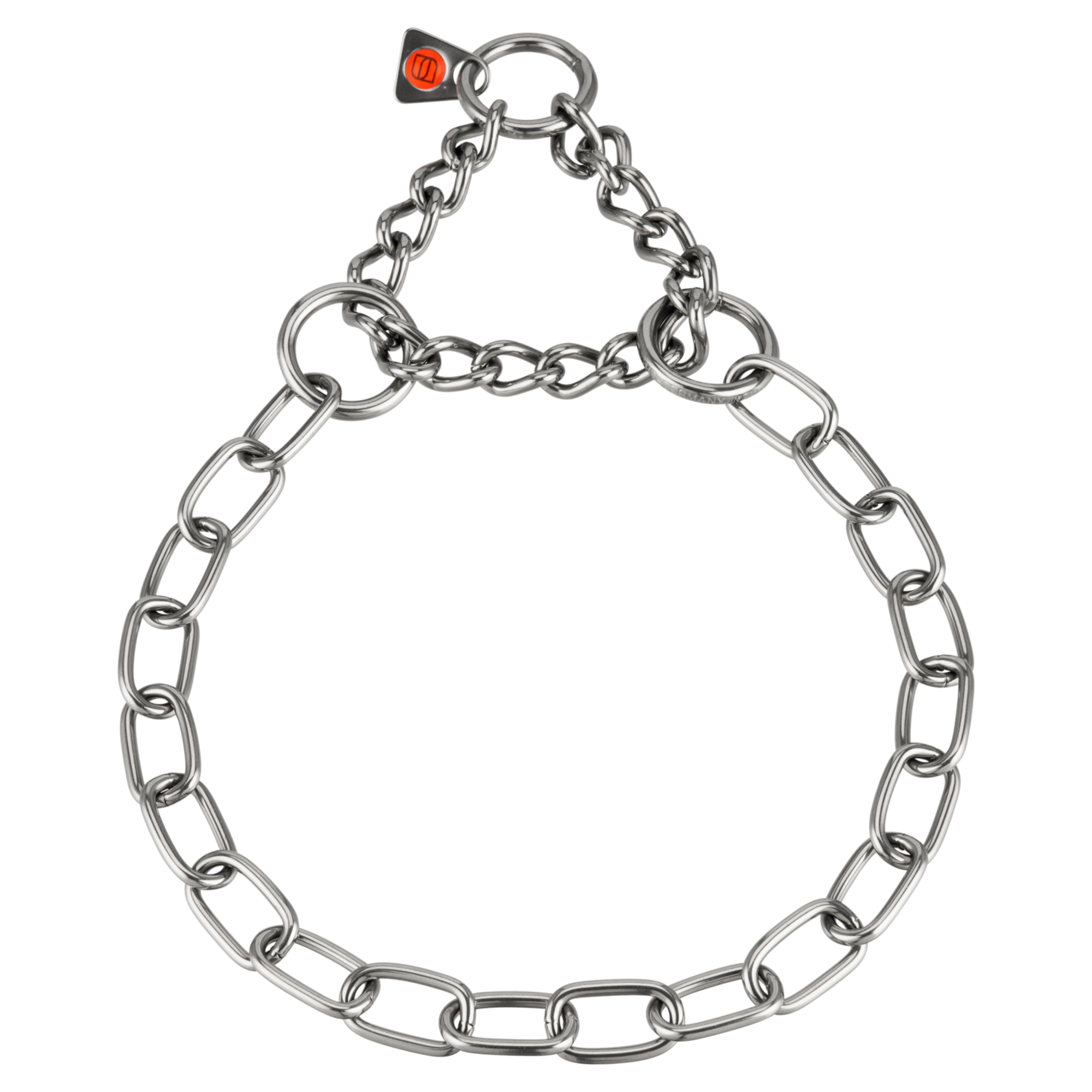
4 steps to find the right chain collar for dogs
In this guide, we'll show you how to find the perfect chain collar for your dog in four easy steps.
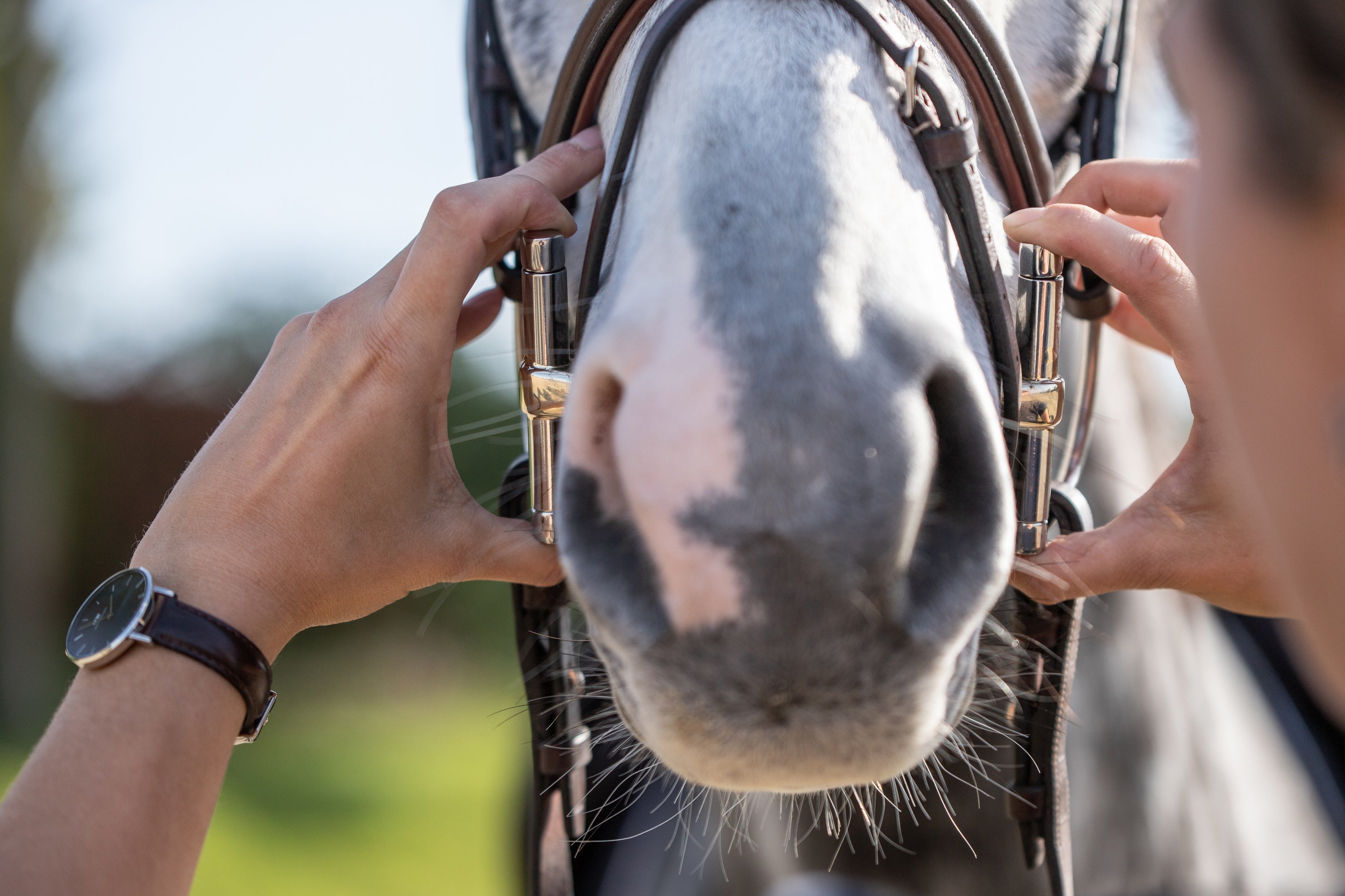
At first glance, many bits often look the same, but there are big differences in terms of material, workmanship, and durability. If you pay attention to quality, you are doing your horse a favor an...
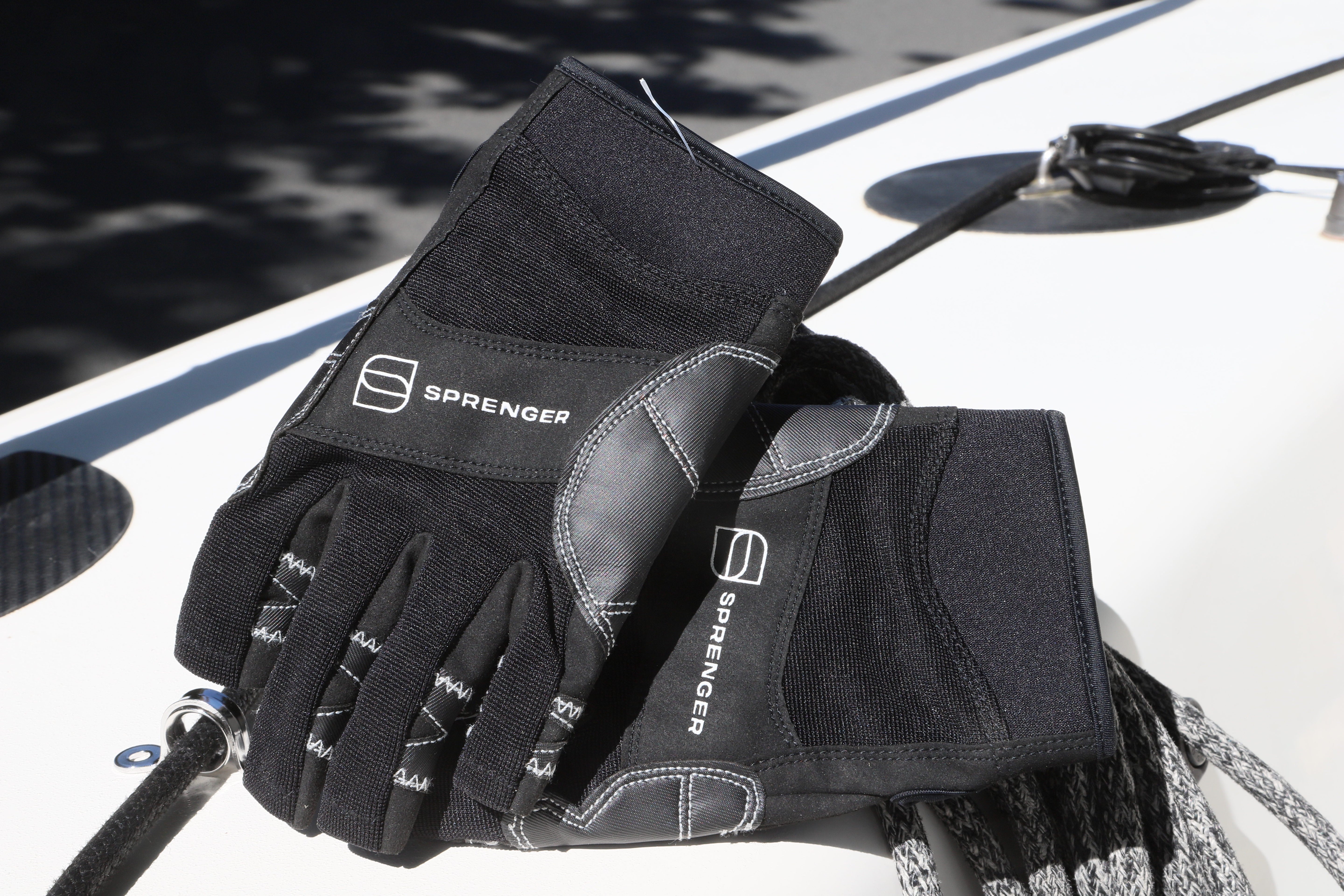
Gloves from SPRENGER: Perfect grip for sailors, dog sports enthusiasts and professionals
SPRENGER gloves are true all-rounders and are used as sailing gloves, in trade fair construction, in sound engineering, or when working with dogs. Custom logos can also be printed upon request.

SPRENGER Articulated Stirrups = Health Stirrups?!
Stirrups that support and relieve pressure on your joints and ligaments while riding? Find out what makes SPRENGER joint-supporting stirrups true health stirrups.
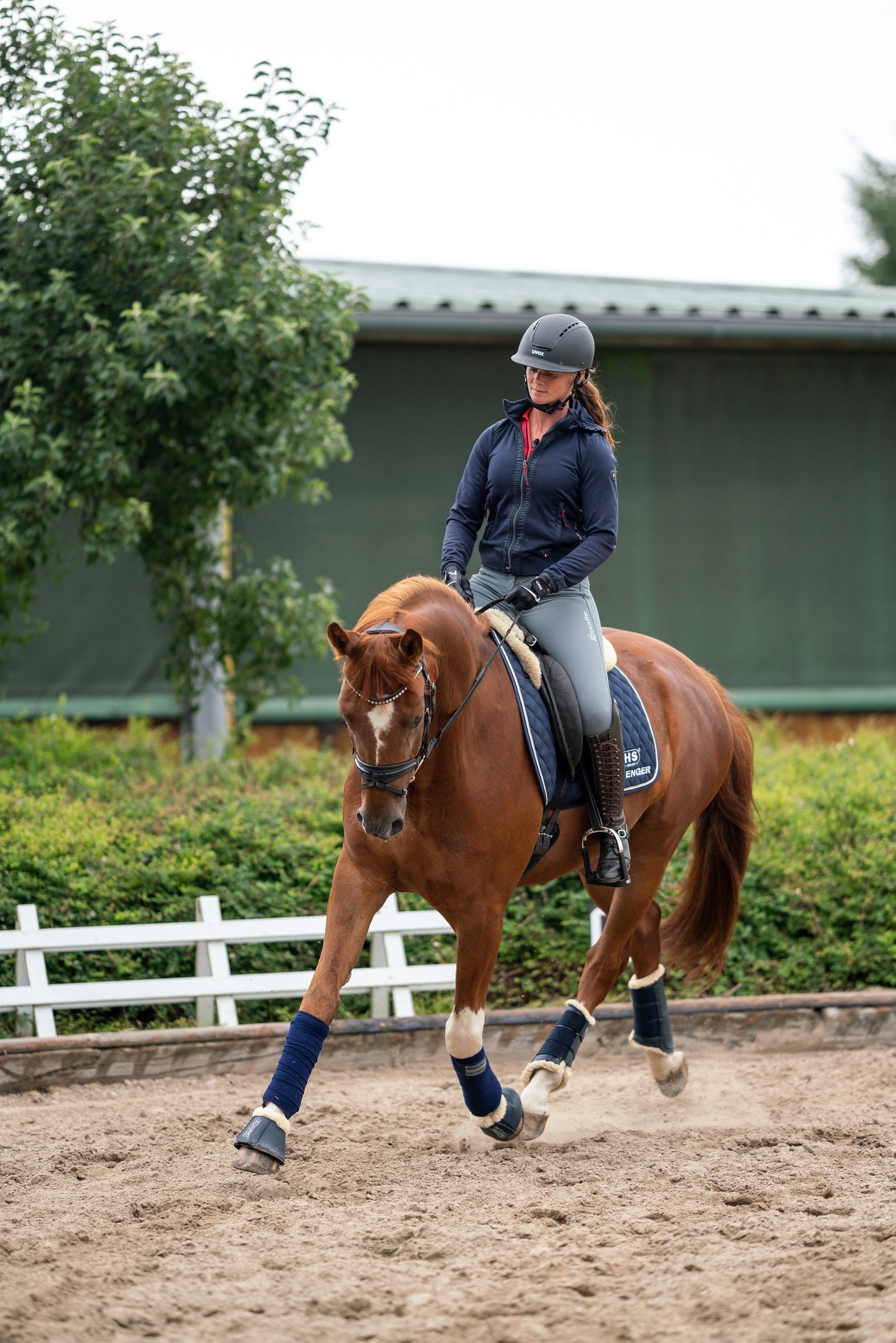
Dressage Stirrups - Which Models Are Best?
Stirrups aren’t just important in show jumping or recreational riding; in dressage, too, good stirrups help support the rider’s seat. In our article, find out which stirrup models are particularly ...
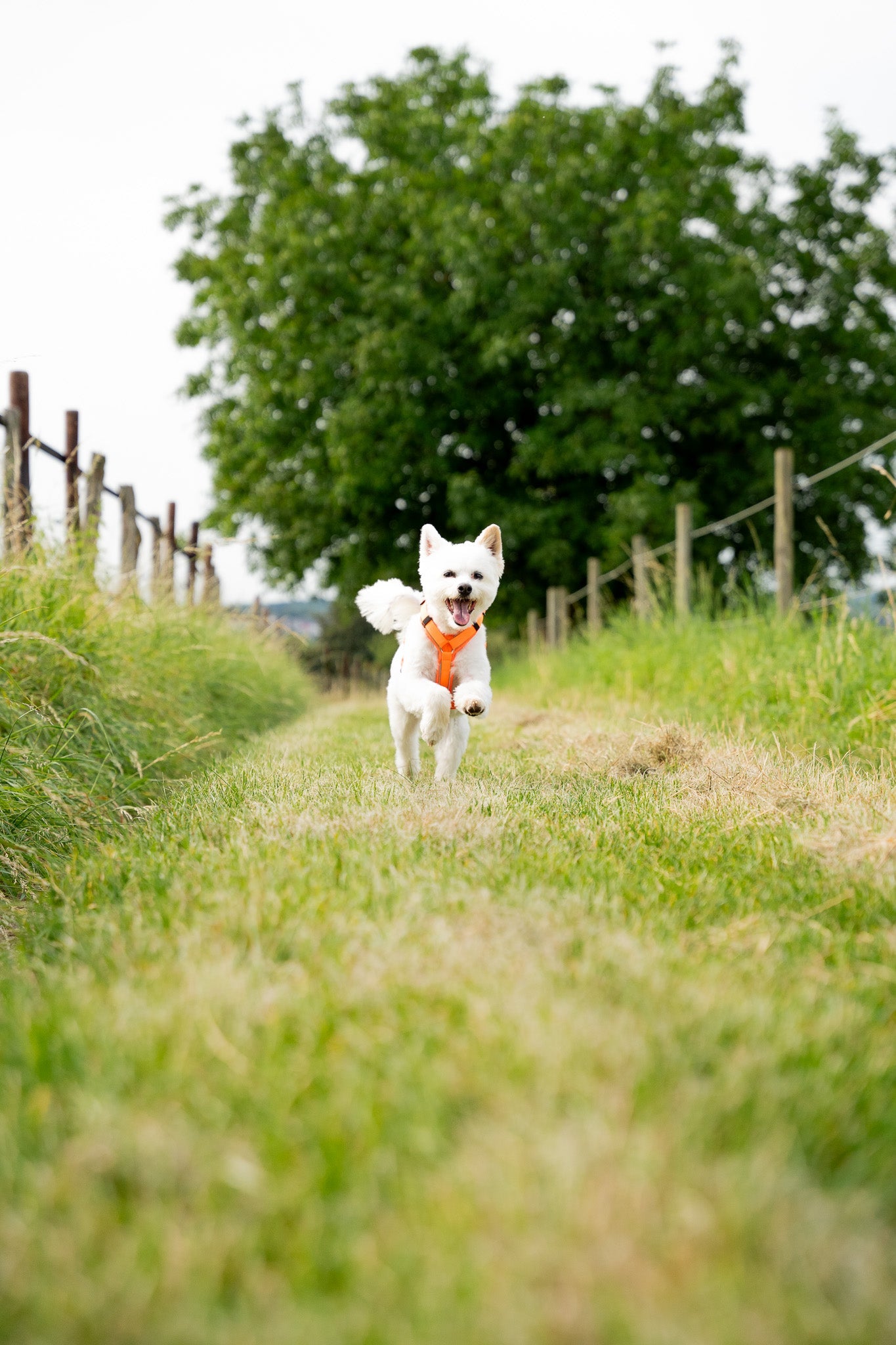
A hiking trip with your dog is an unforgettable experience for both the humans and the animals, strengthening their bond. To ensure your hiking trip with your dog is a complete success, w...
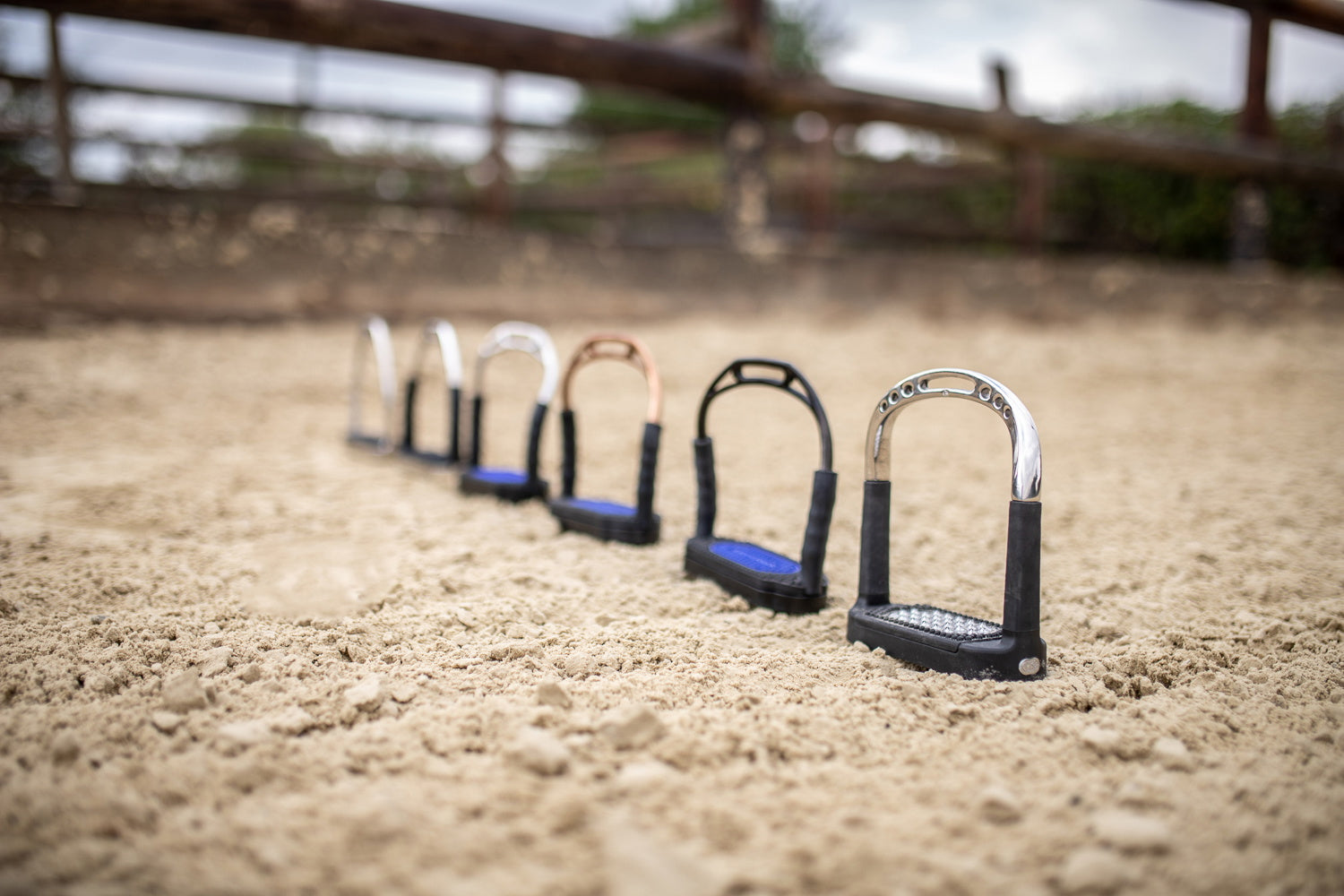
How a good stirrup supports the rider's seat
A good rider’s seat is key to safe and effective riding – SPRENGER jointed stirrups actively support this. With the System 4 joint, they allow flexible movement and reduce joint strain. Models like...
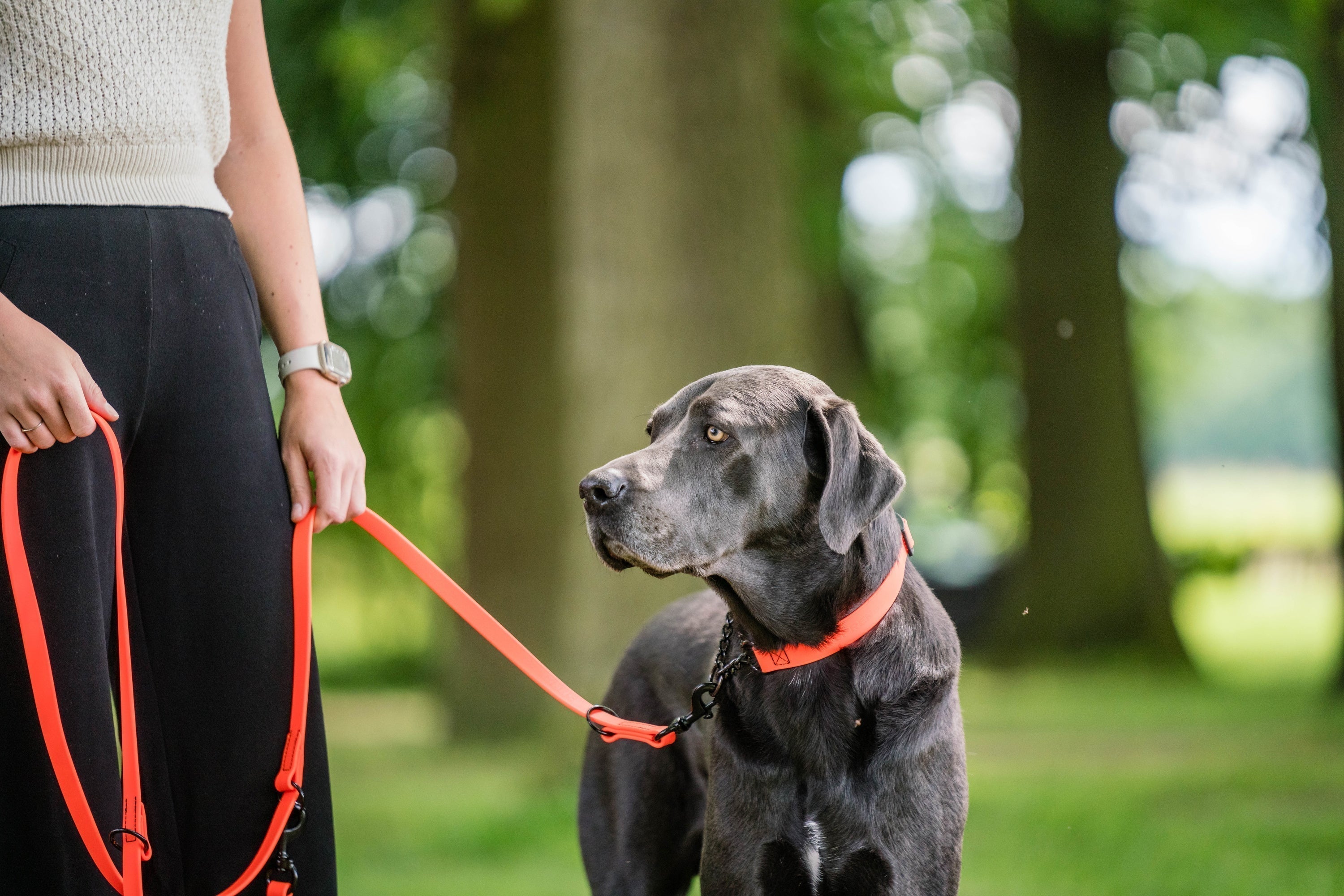
A walk with your dog is more than just exercise – it’s time together. In this article, you'll learn how to ensure relaxed walks with good dog walking etiquette and what you should definitely take ...
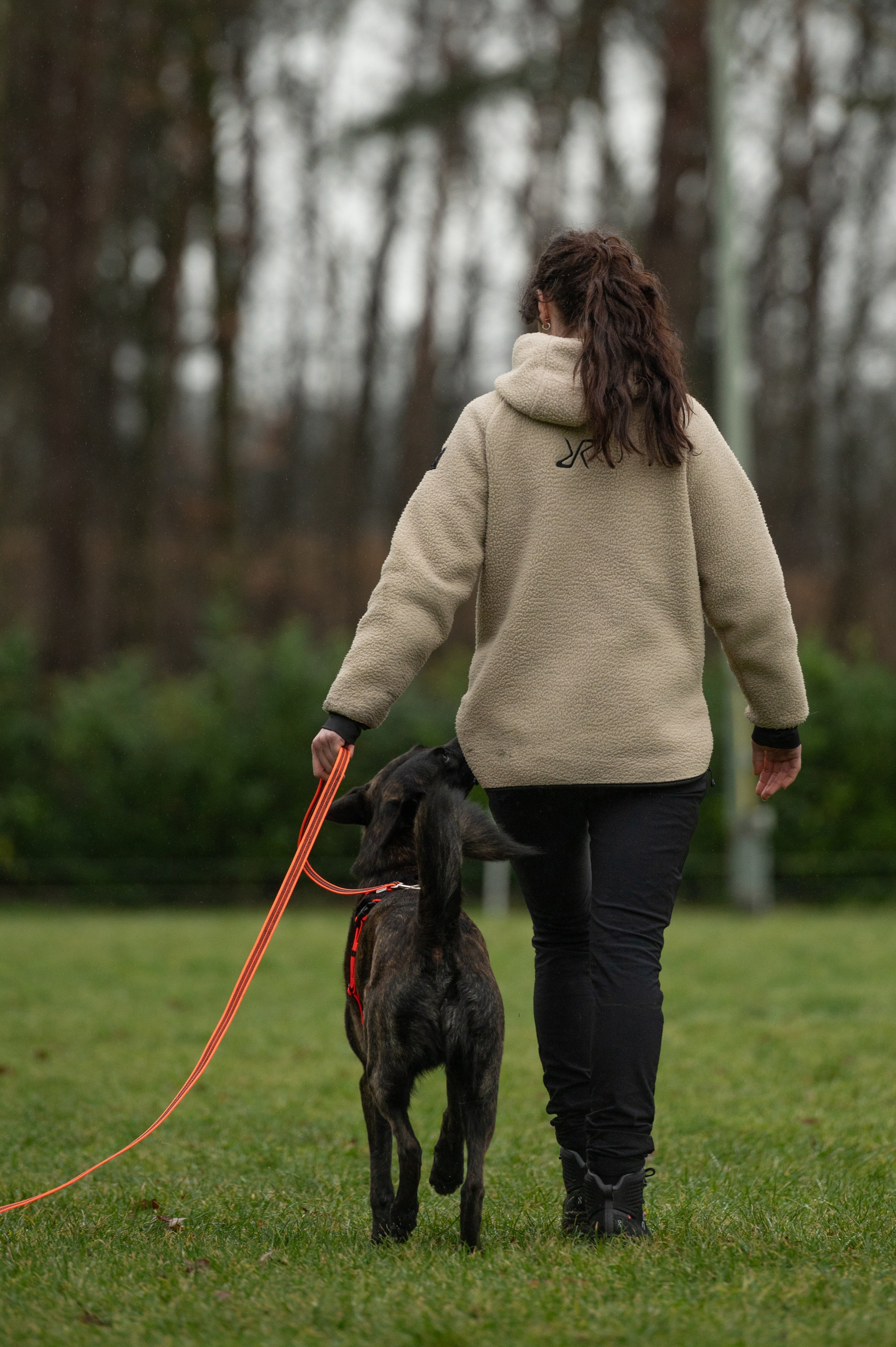
IGP Youngstars and Helper Camp 2025
The IGP Youngstars & Helper Camp 2025 is the dog sports event of the year. Let us tell you everything you need to know about the ultimate event for young dog sports enthusiasts!
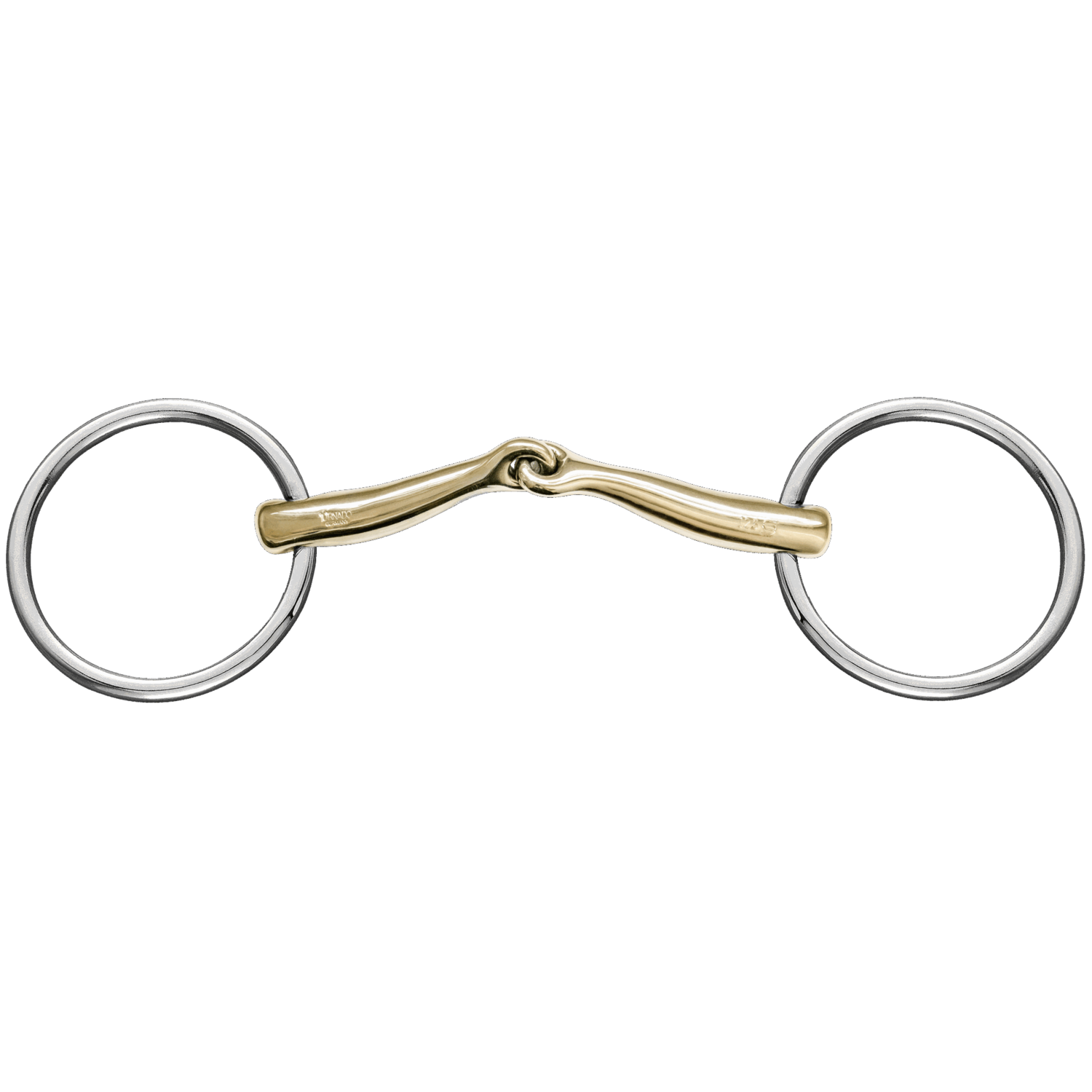
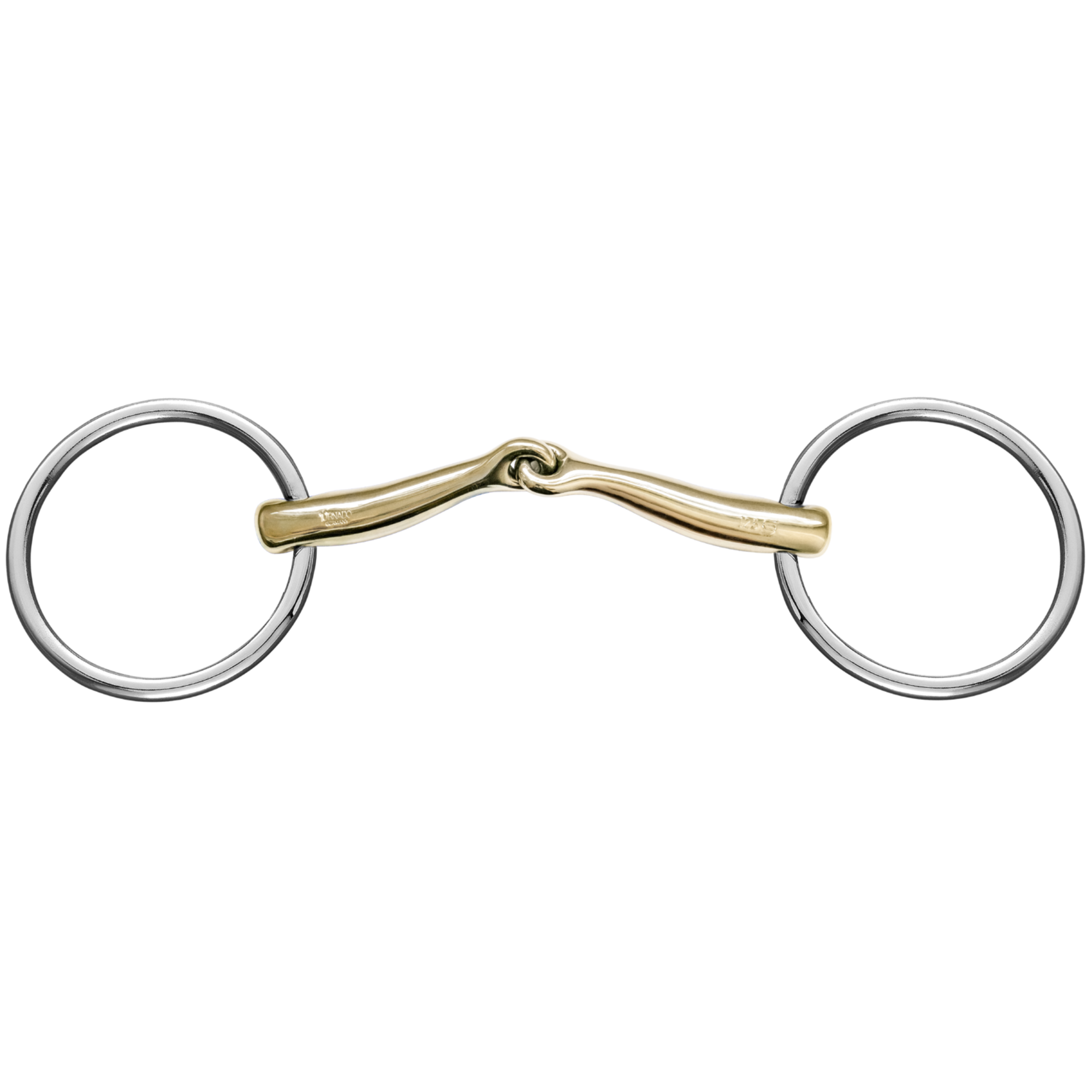
TURNADO PRO: The loose ring snaffle with port for fleshy mouths
With modern breeding, horses' mouths are becoming increasingly shorter, even in large horses. When you add in the extra lip tissue, it becomes difficult to find a suitable bit for very sensitive ho...
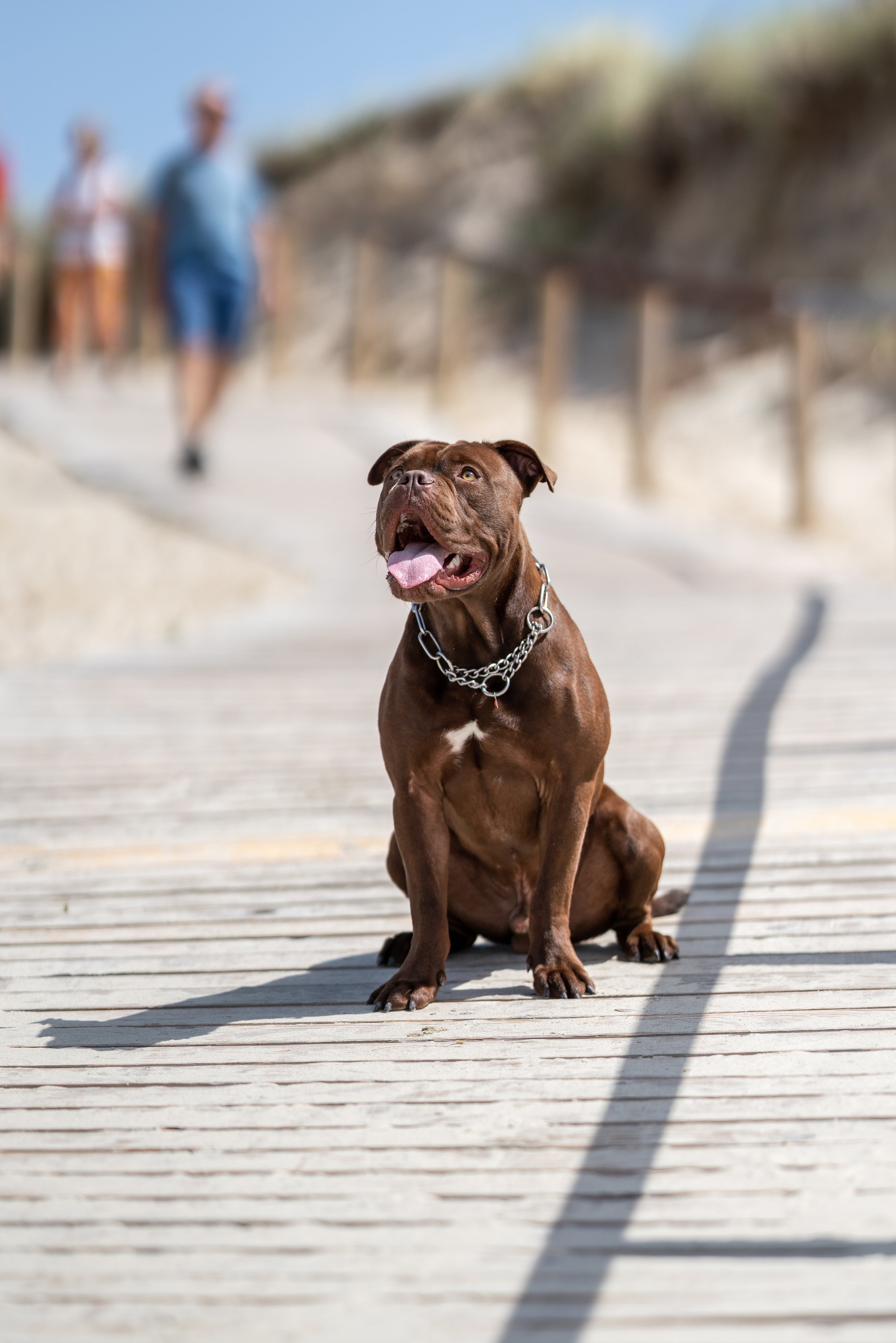
Dogs and the heat: 6 tips for summer with your dog
For many dog owners, summer is the best time of the year. With our tips, guidelines and recommendations on the right equipment, you’ll be able to cope with the high temperatures with ease!
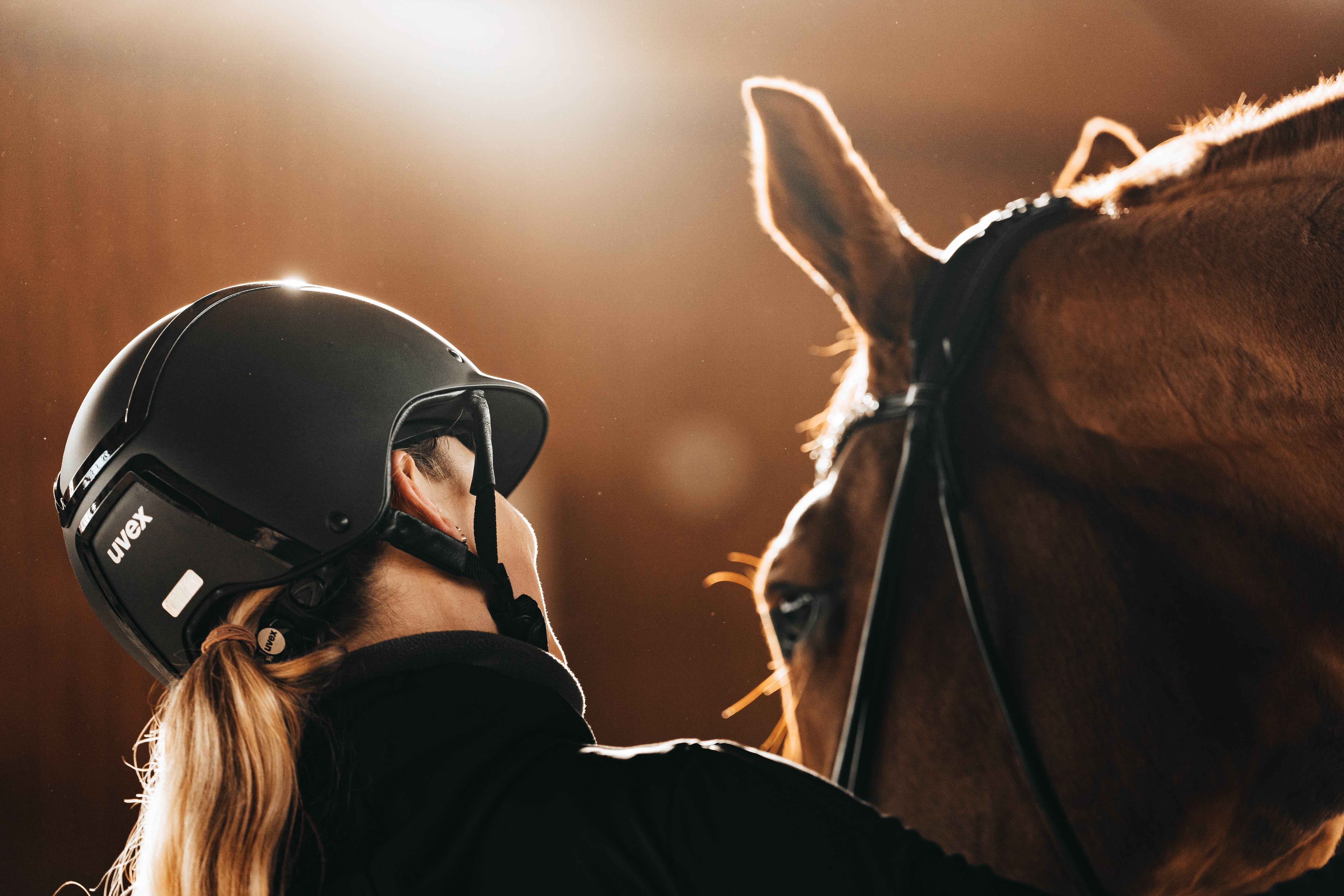
Safety stirrups meet riding helmets: stay safe with SPRENGER and uvex
Safety is essential in equestrian sports. SPRENGER and uvex offer the highest safety standards and comfort with the Aero stirrup and their riding helmets. The Aero stirrup allows for quick release ...
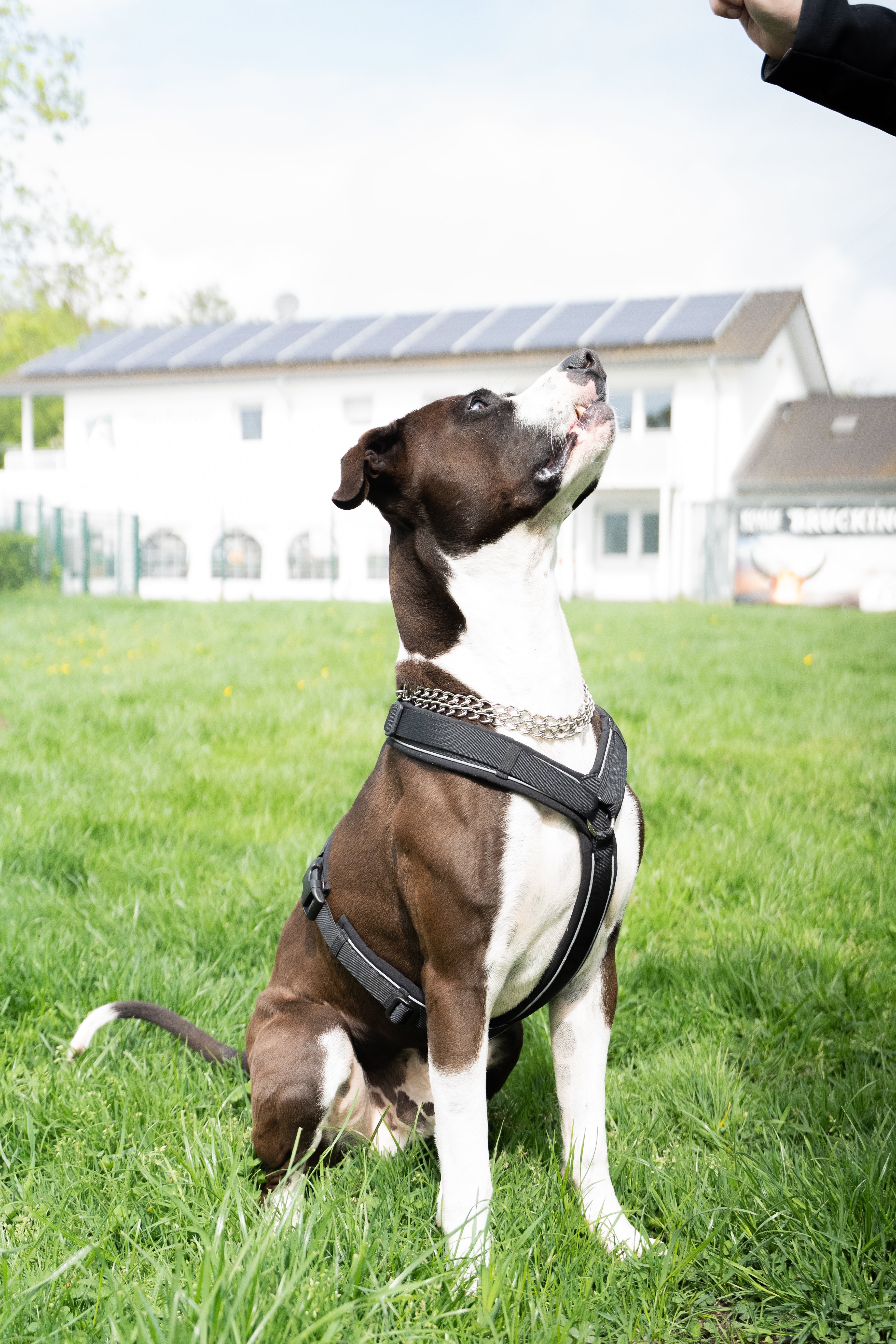
Want to adopt a rescue dog? Great decision! In this guide, you will learn what you need to consider when it comes to rescue dogs!
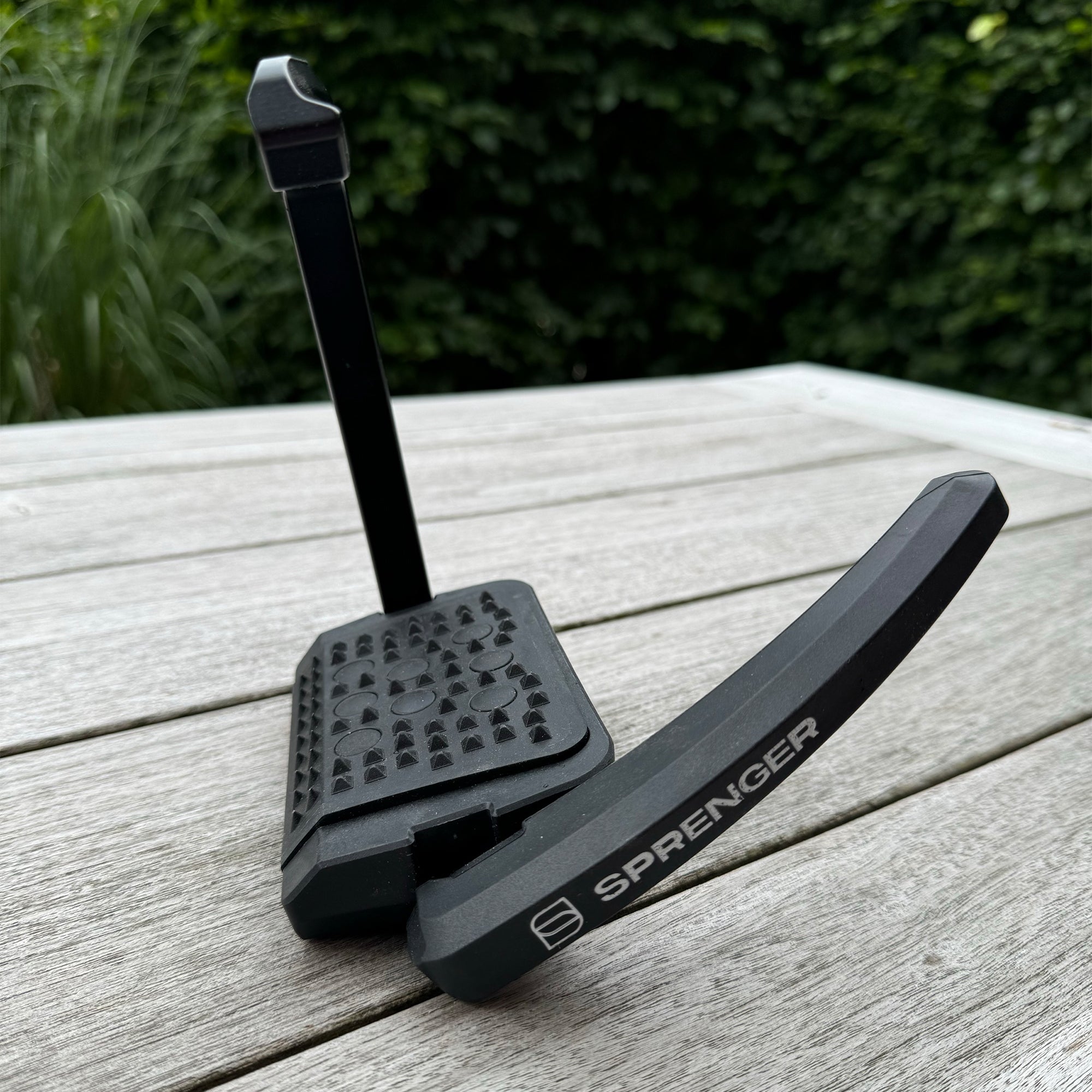
SPRENGER Aero Stirrup Review – Safety, Comfort & Innovation for Every Rider
What do SPRENGER employees and professional riders say about the Aero safety stirrup, you ask? In our blog post you can read both test reports on the new SPRENGER stirrups.
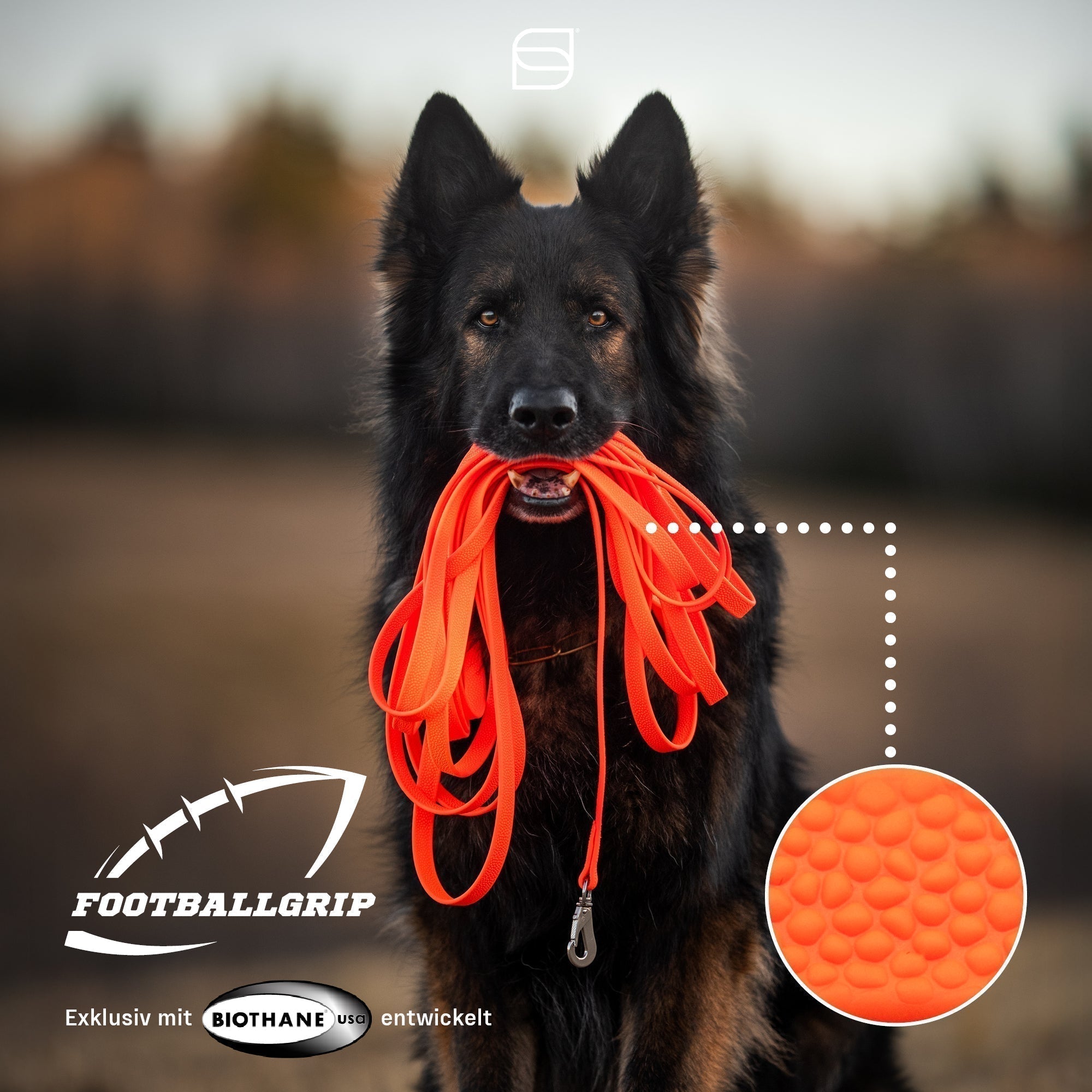
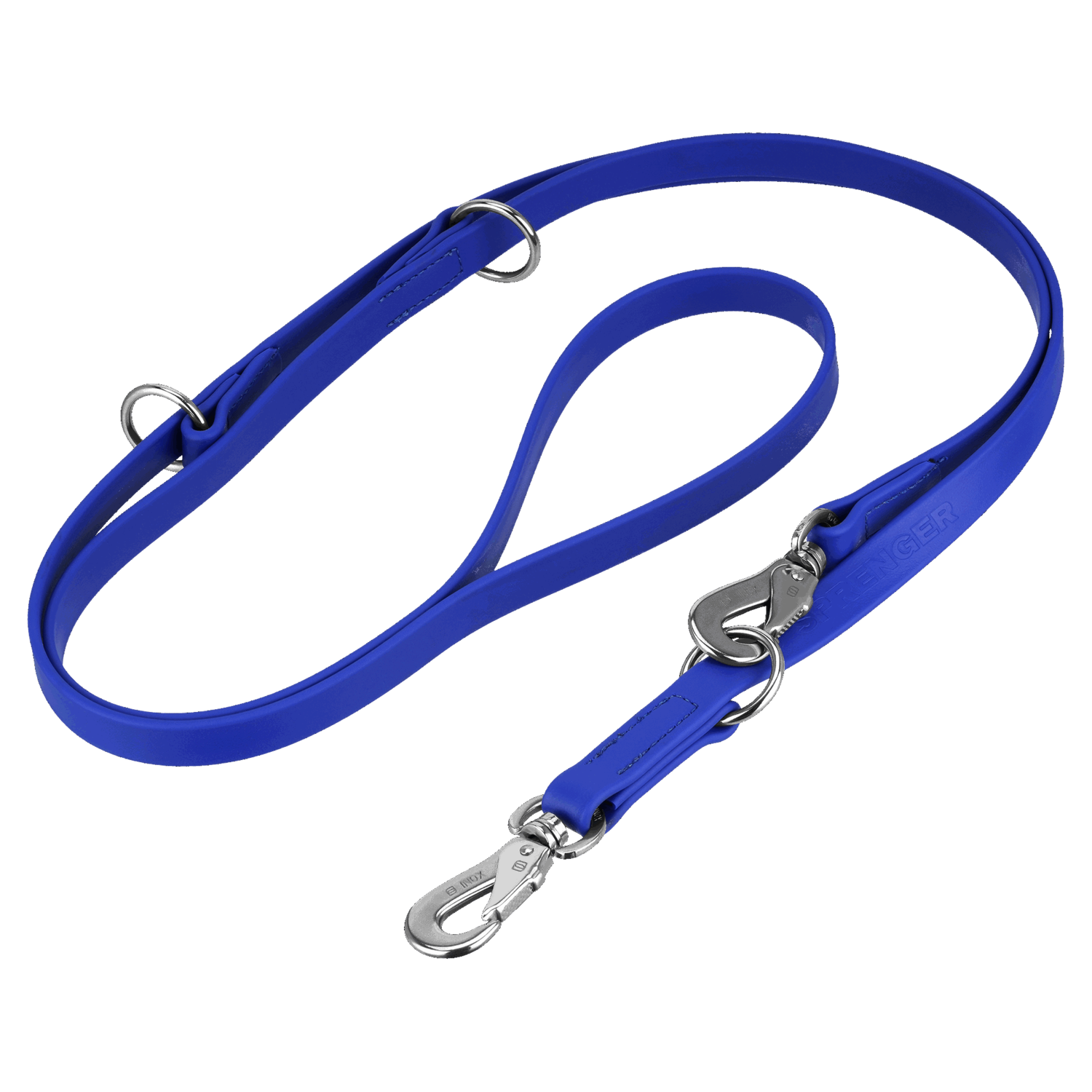
BioThane® Footballgrip: The new generation of Biothane leashes
Biothane dog leashes are popular with many dog owners. With the new BioThane® with footballgrip, SPRENGER presents a completely new product on the market. Learn everything you need to know here!
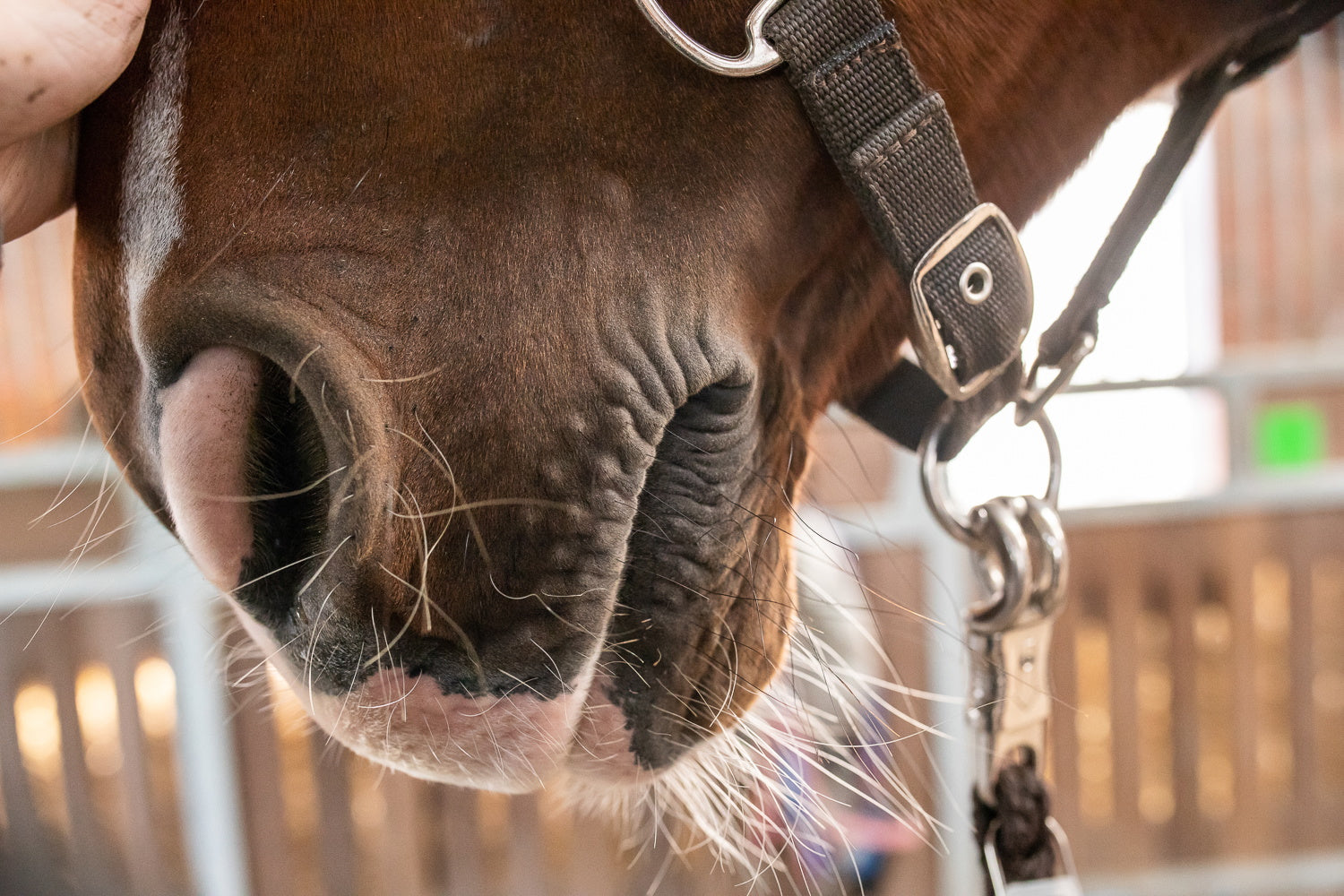
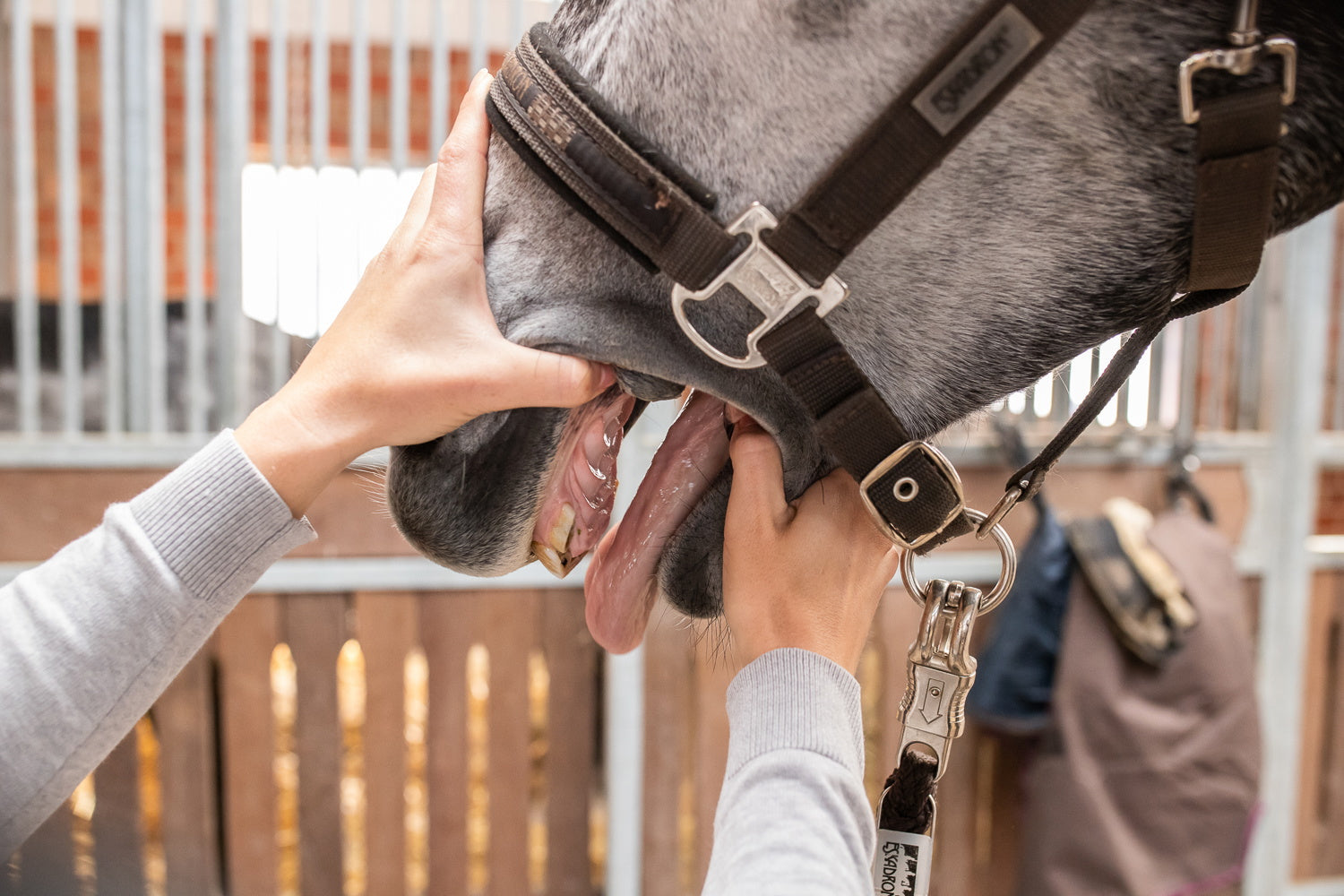
Does your horse have bit sores? This can also be due to an unsuitable bit! We explain what you need to look out for and what the healing phase looks like.
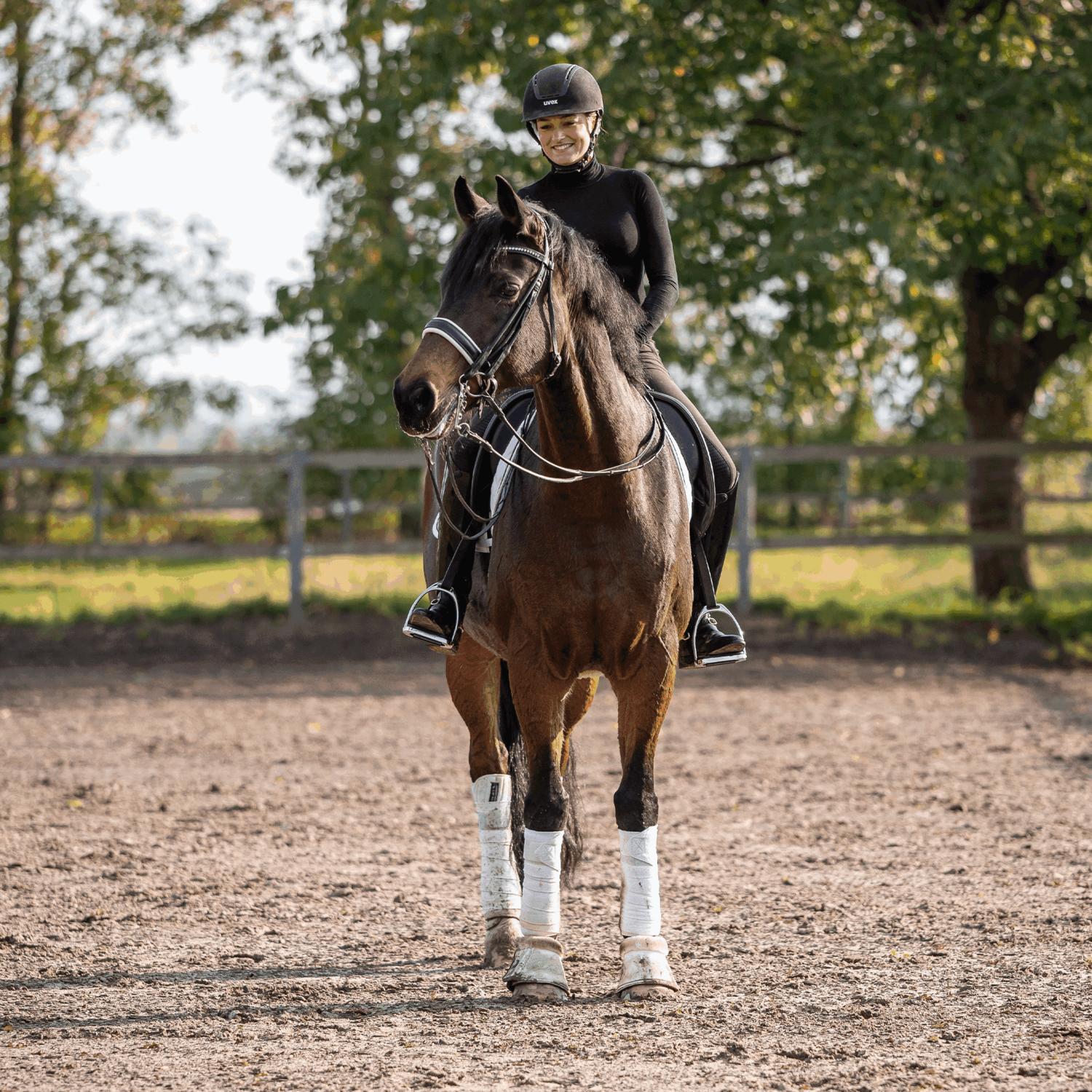
Types of bits – From Loose Ring Snaffles to Kimblewicks
Are you unsure which bit is right for your horse? In our blog post, we explain the different types of bits, how they work, and how to find the right model for you and your horse. Get valuable tips ...
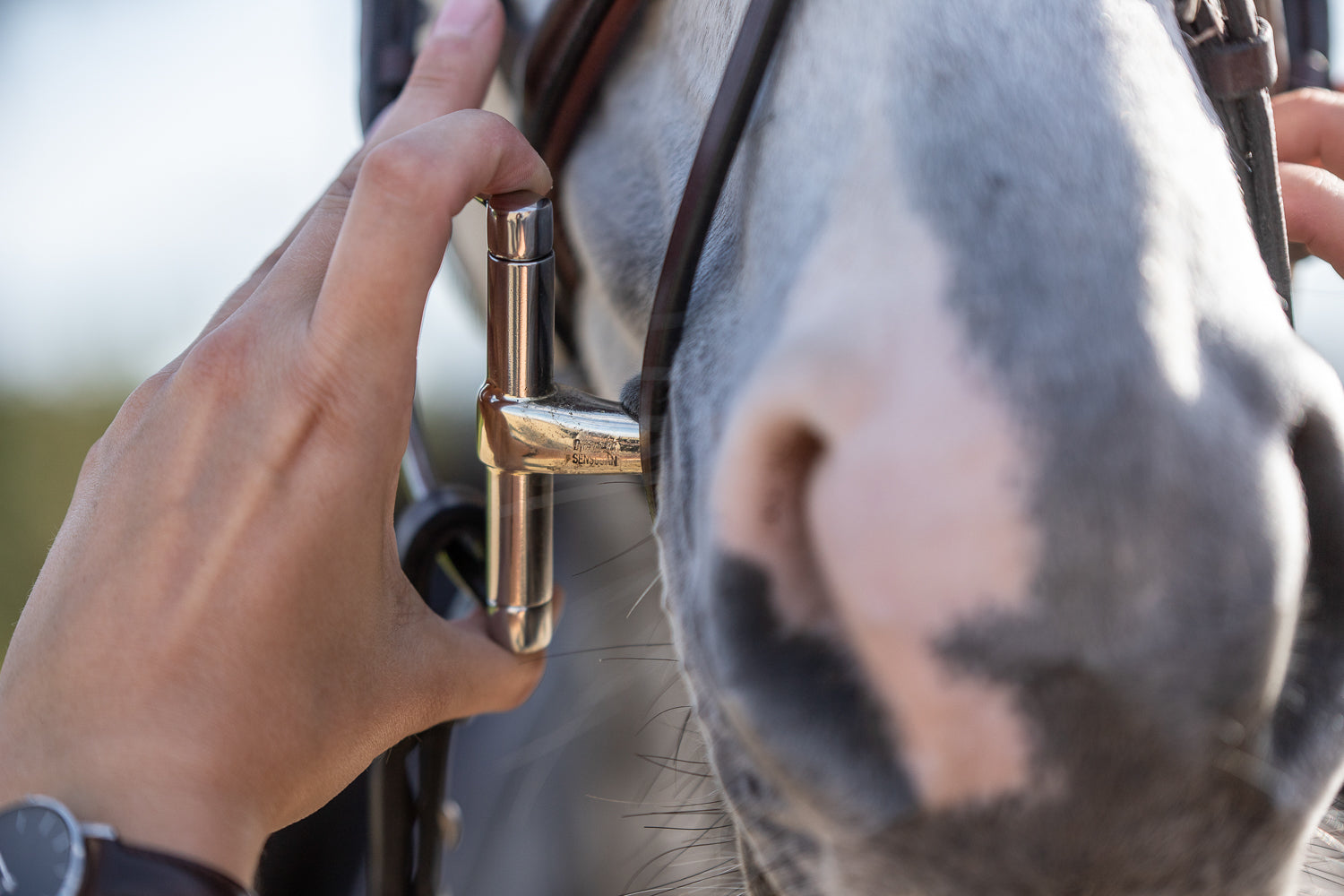
Why is choosing the right bit size so important? And how do I know which size is right for my horse? We answer these questions in this article.
The Many Benefits of Equestrian Sports: A Holistic Approach to Personal Growth
Equestrian sport is much more than physical activity - it strengthens fitness, mental health and social skills and has a particularly positive effect on the personal development of children and you...
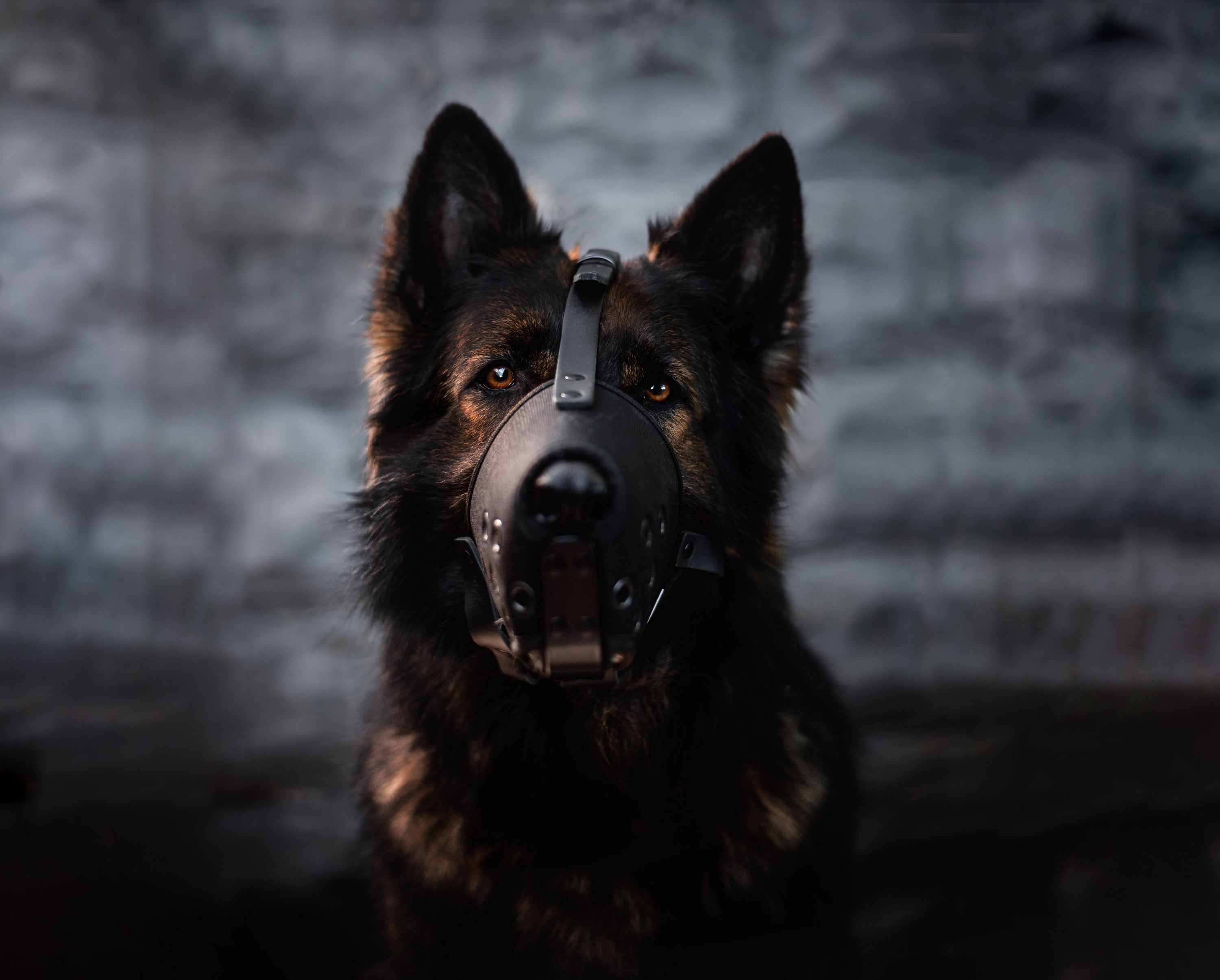
Muzzles for dogs often have a bad reputation and are associated with negative stereotypes. Find out everything you need to know about muzzles here!
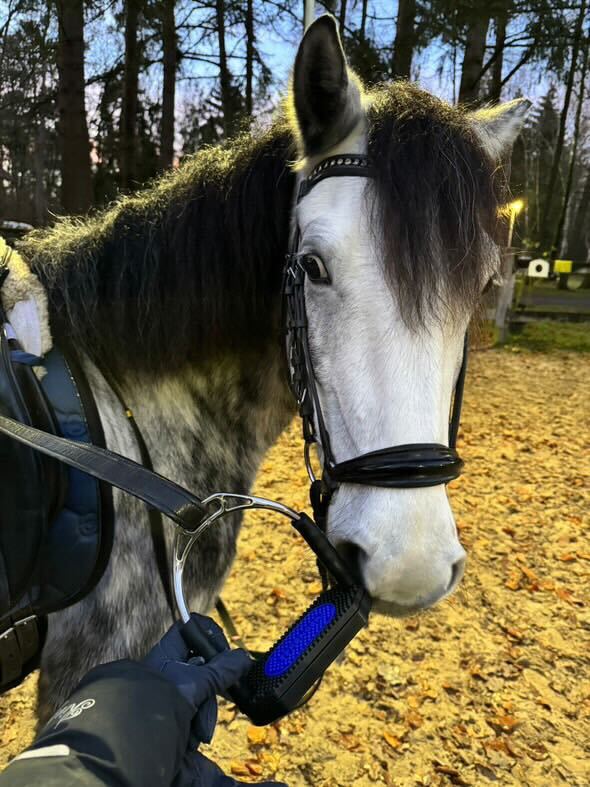
Product Test: SPRENGER Bow Balance in the Riding School
How do Bow Balance joint stirrups actually perform for beginner riders? We have a test report from a riding school for you!
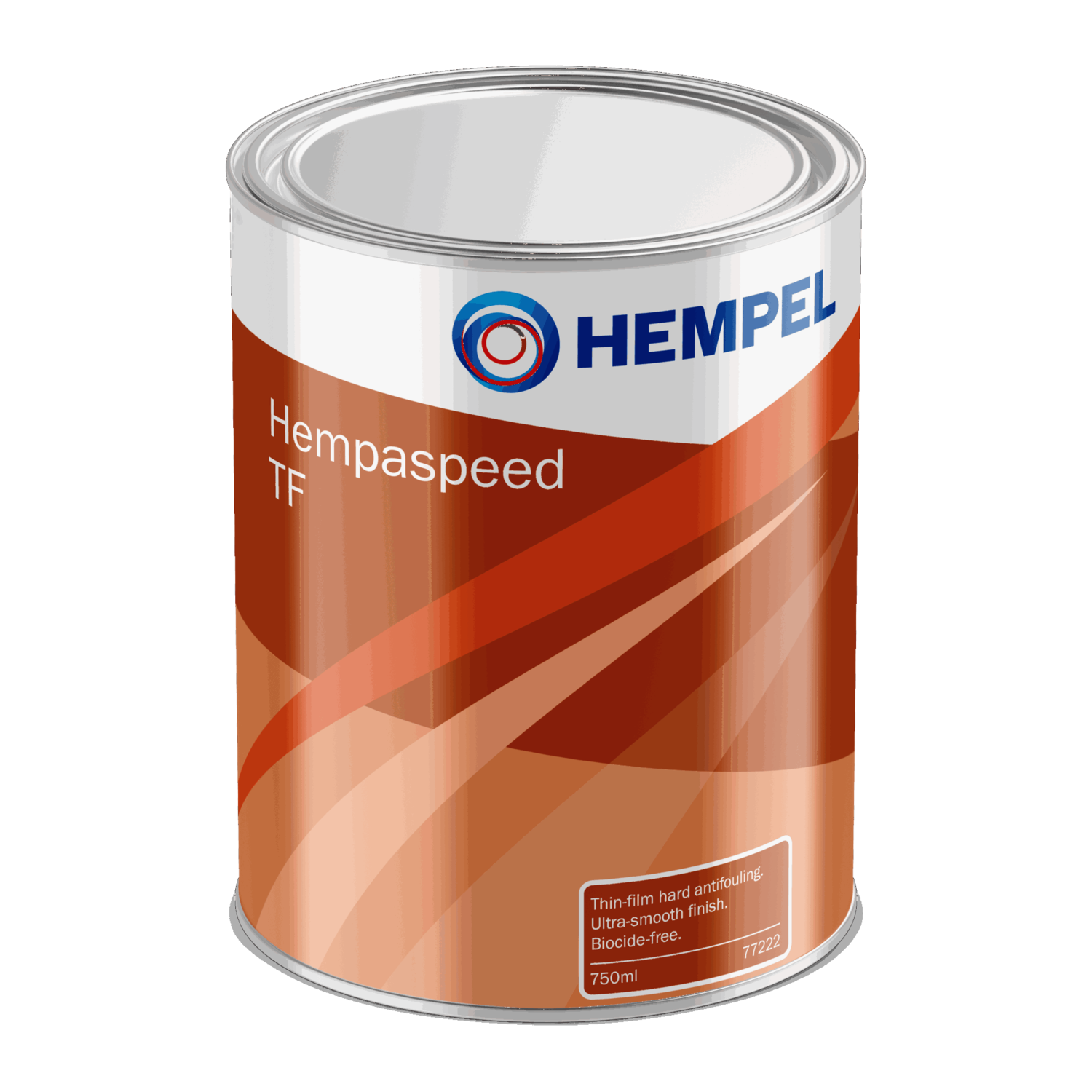
Hempaspeed TF - The innovative solution for antifouling coating according to VC 17m
How can VC® 17m be simply painted over? And what options do I have if I want to apply a sustainable, biocide-free fouling protection? In our article, you can find out everything about the VC® 17m b...
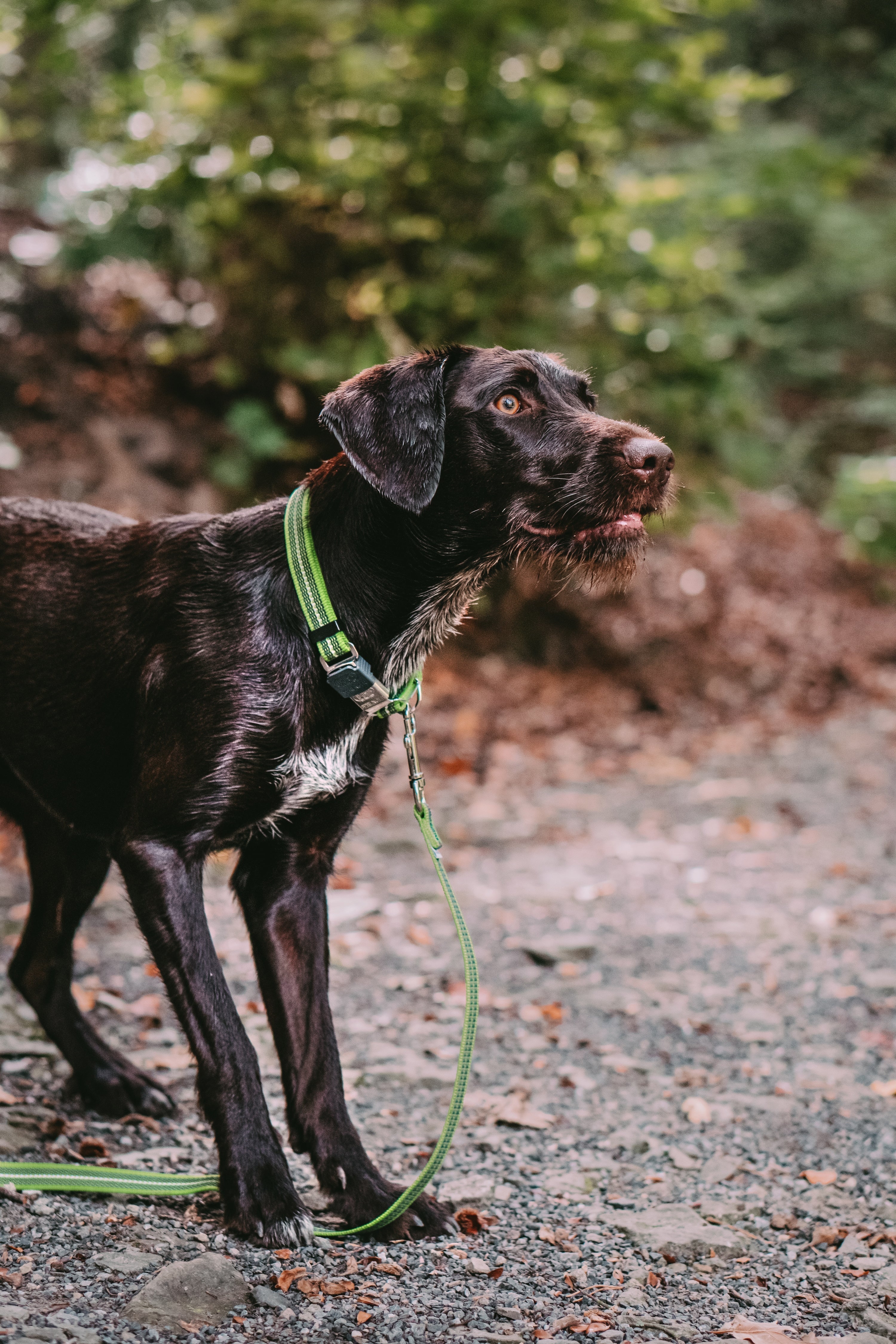
Not sure how to work out your dog’s collar size? Our blog post will tell you!
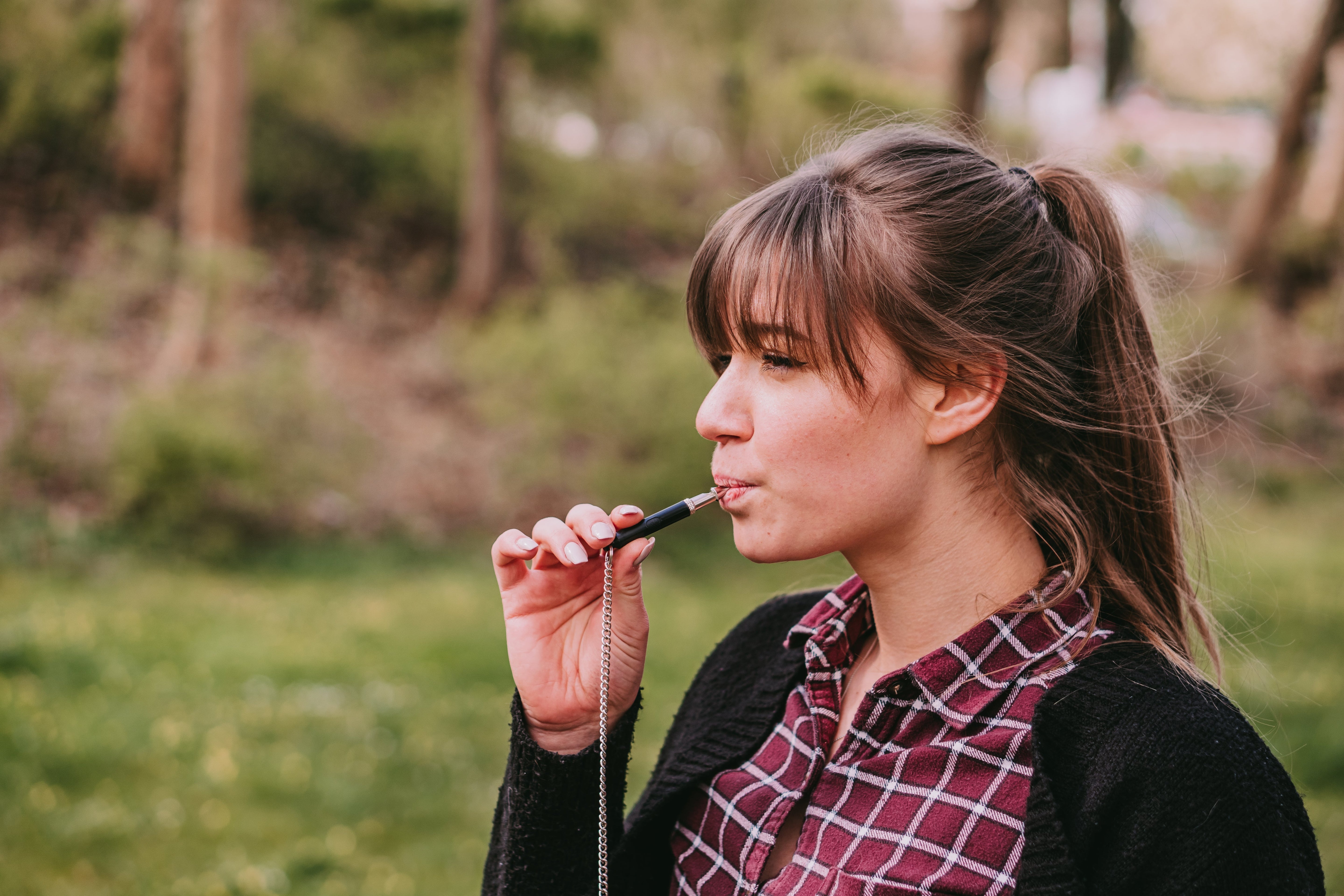
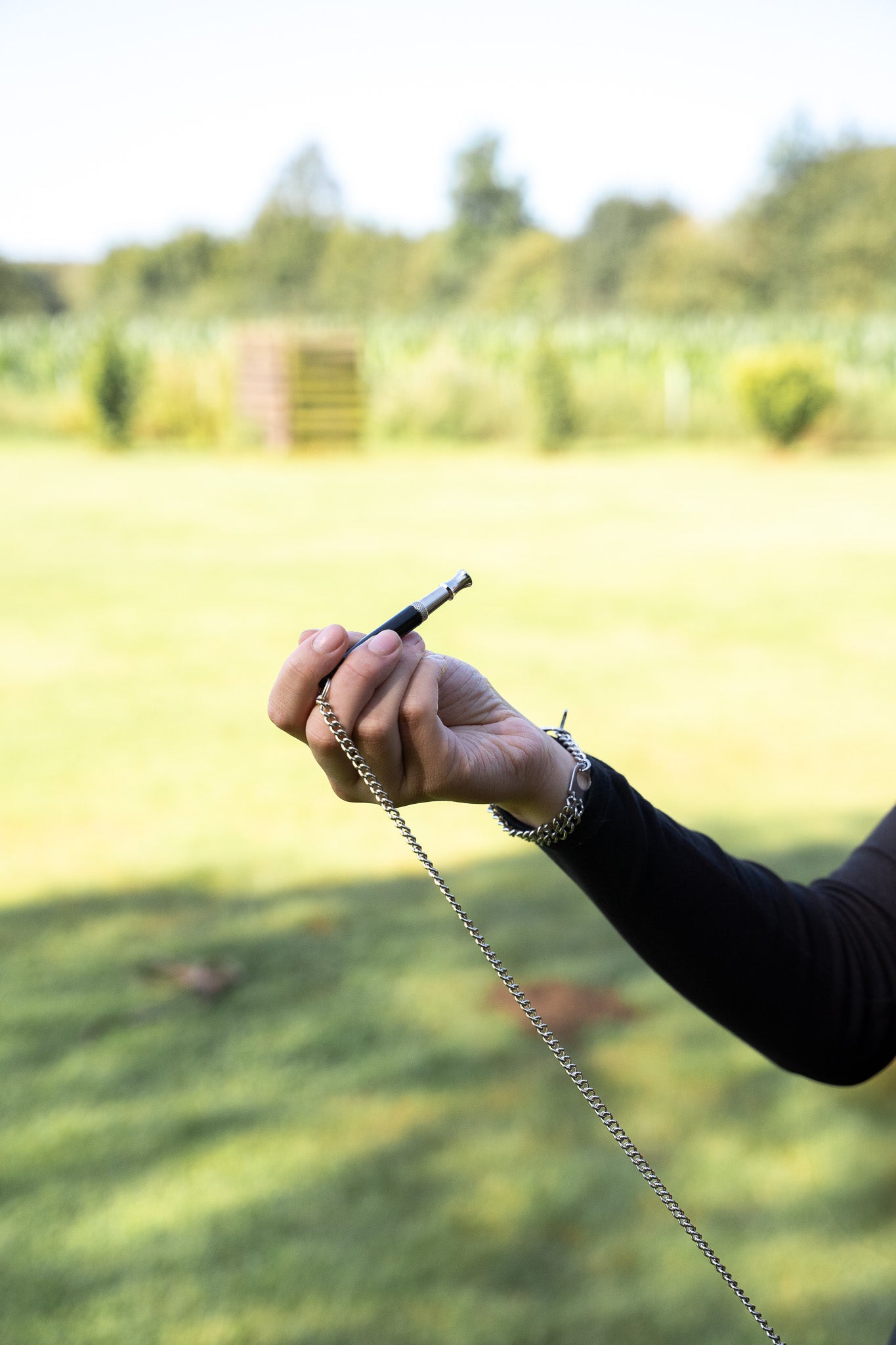
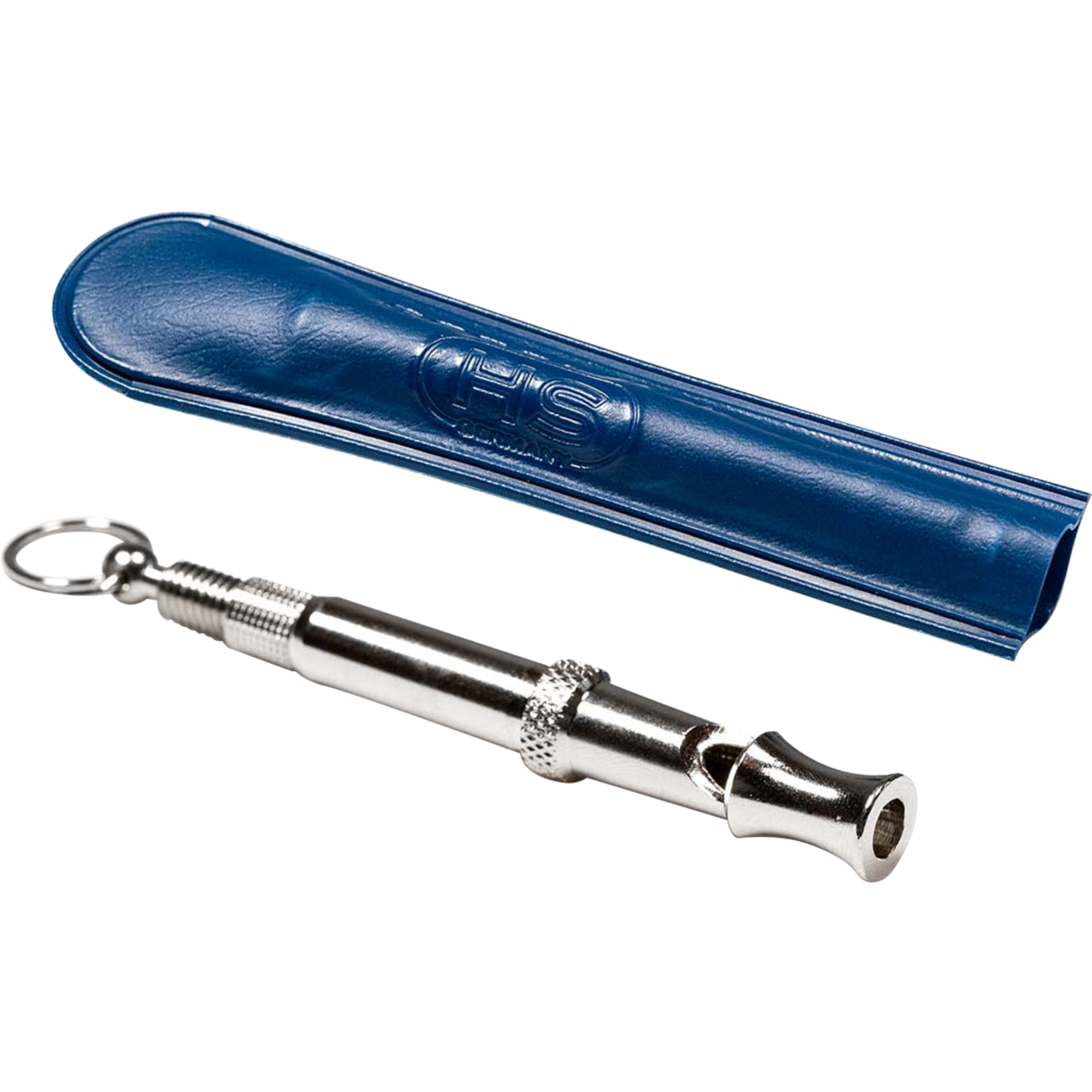
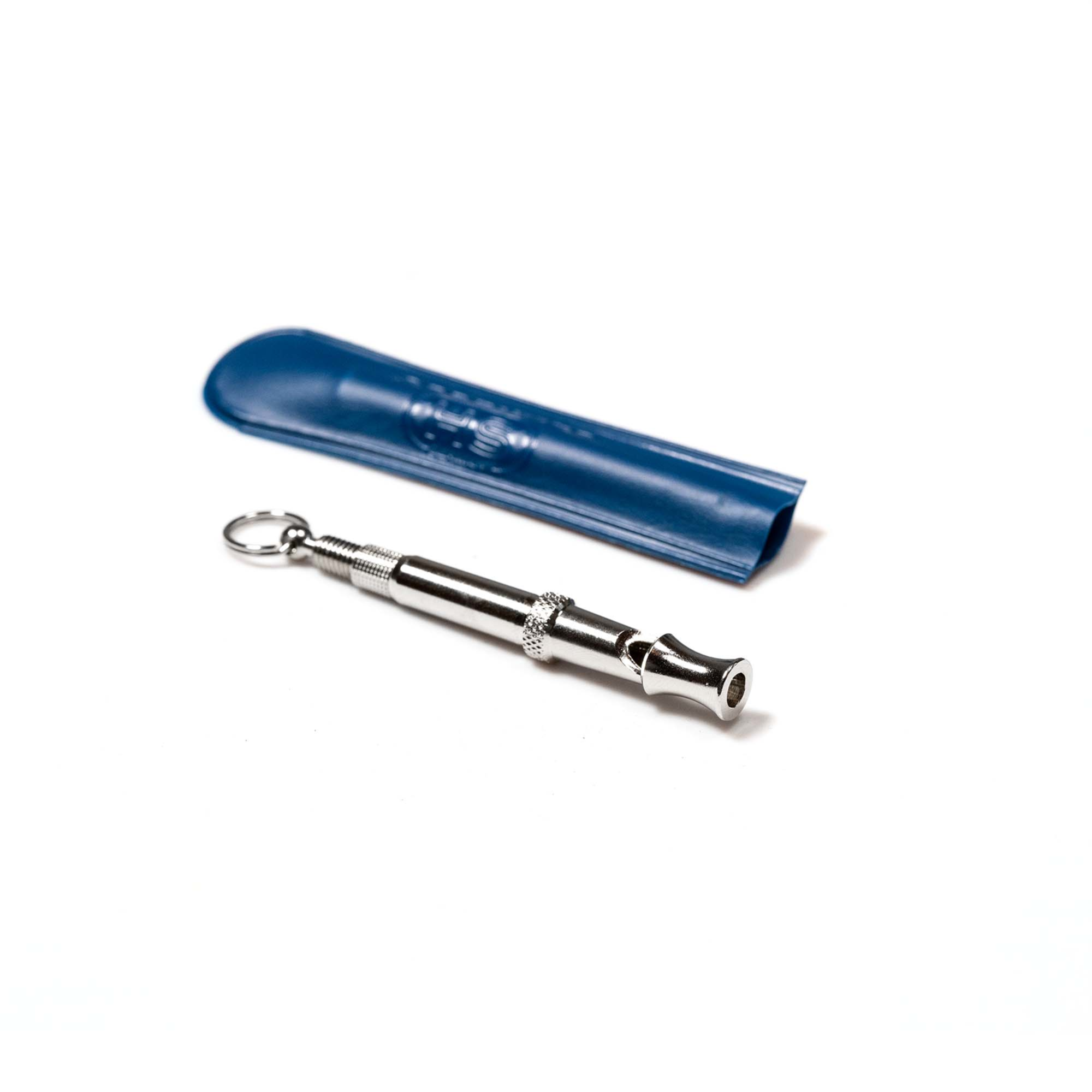
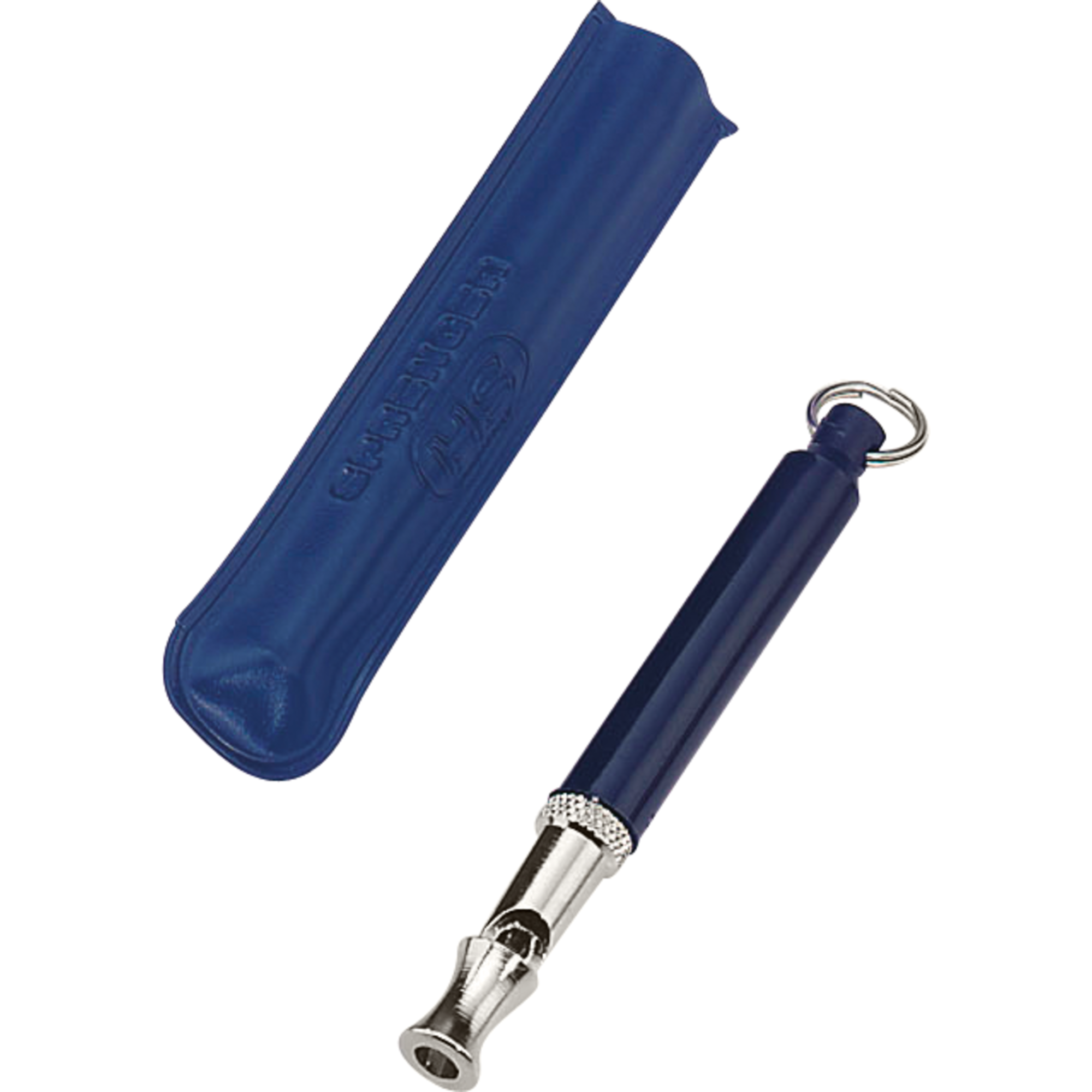
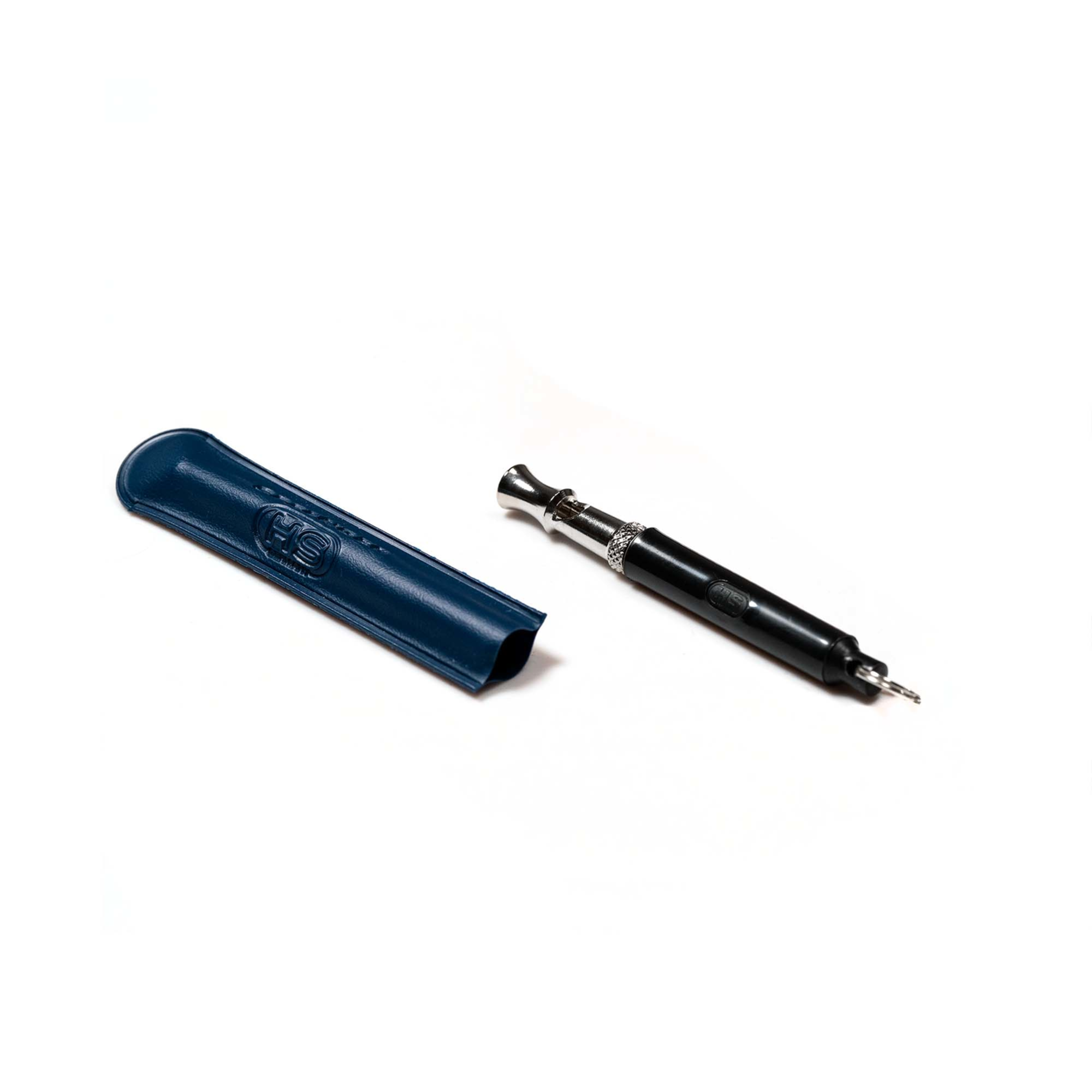
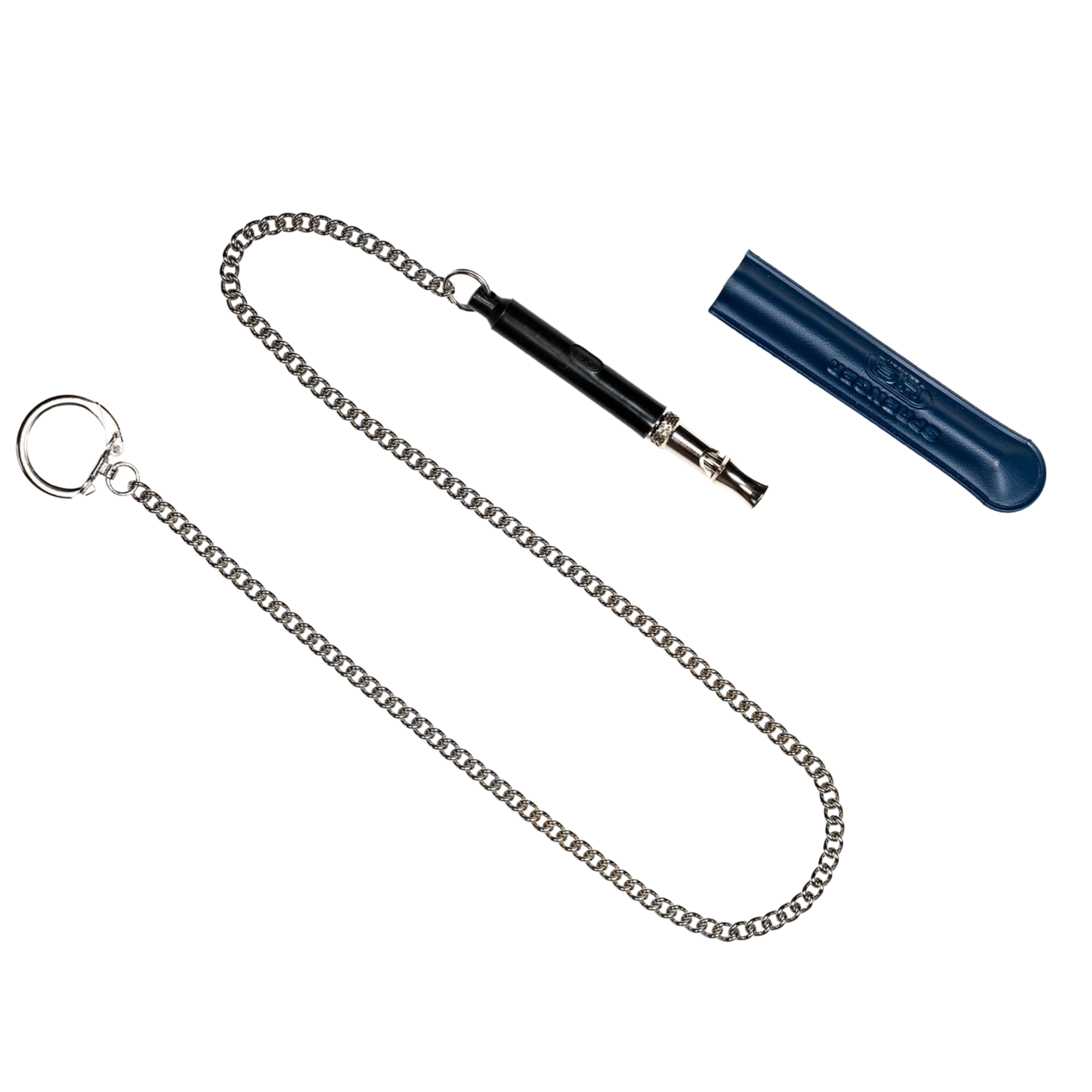
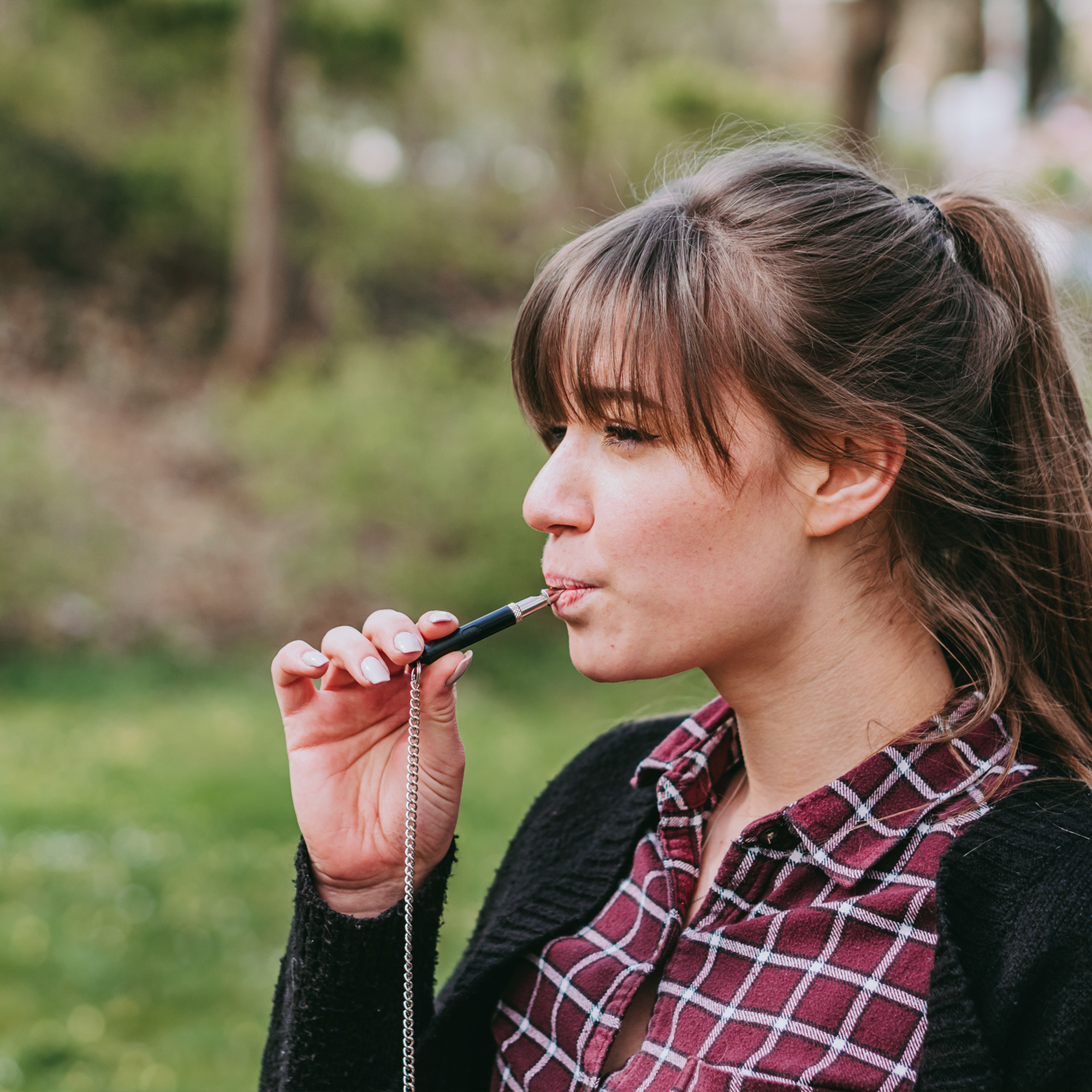
The dog whistle - your perfect training tool
The dog whistle is a great tool for dog training. Find out exactly how it works and what you need to know about the dog whistle here!
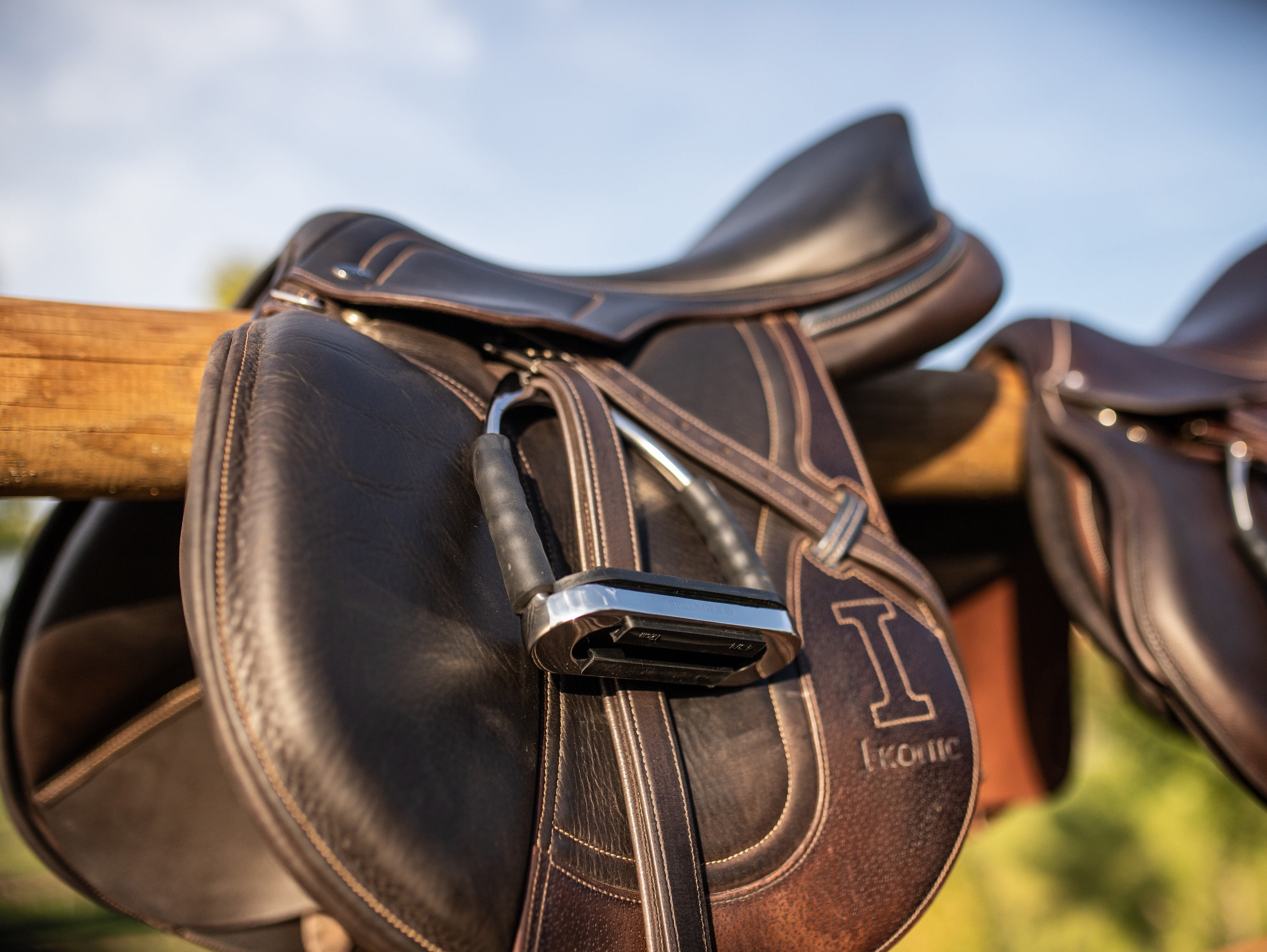
SPRENGER System 4 stirrups in practical test
Caro from the account sunny_kiss tested the SPRENGER System 4 stirrups and described her experience in a very special way: "A completely normal riding arena on a day like any other. I'm standing ne...
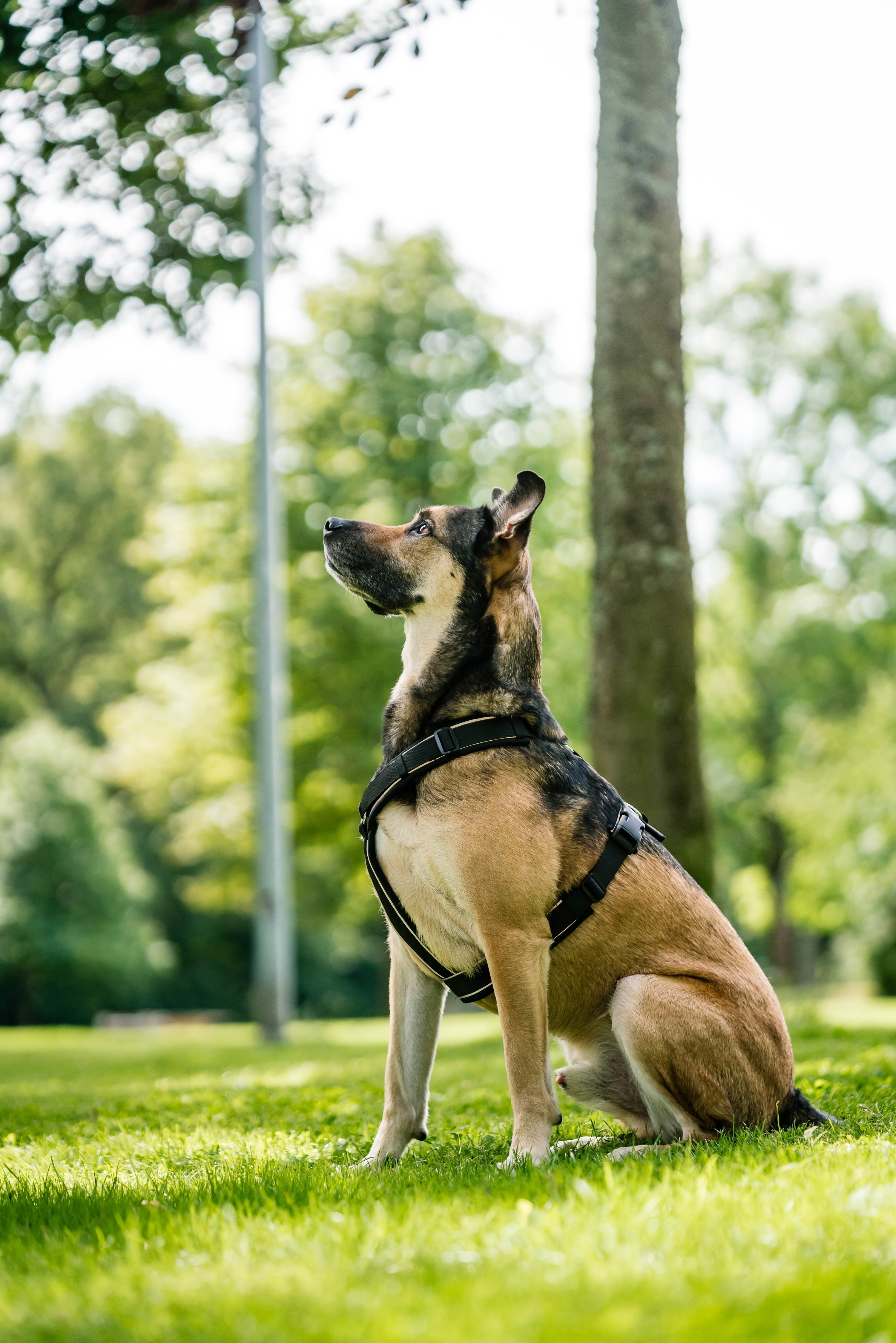
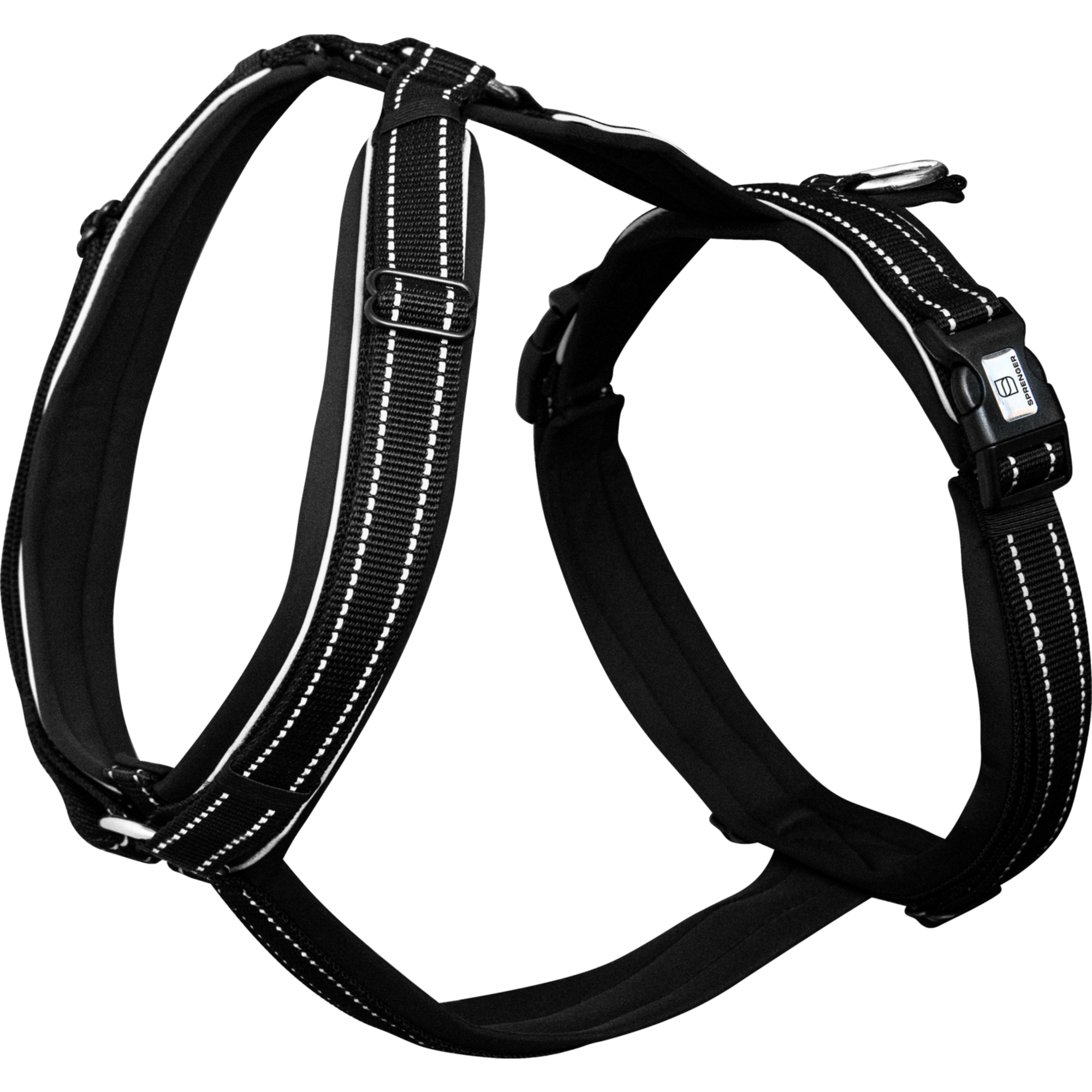
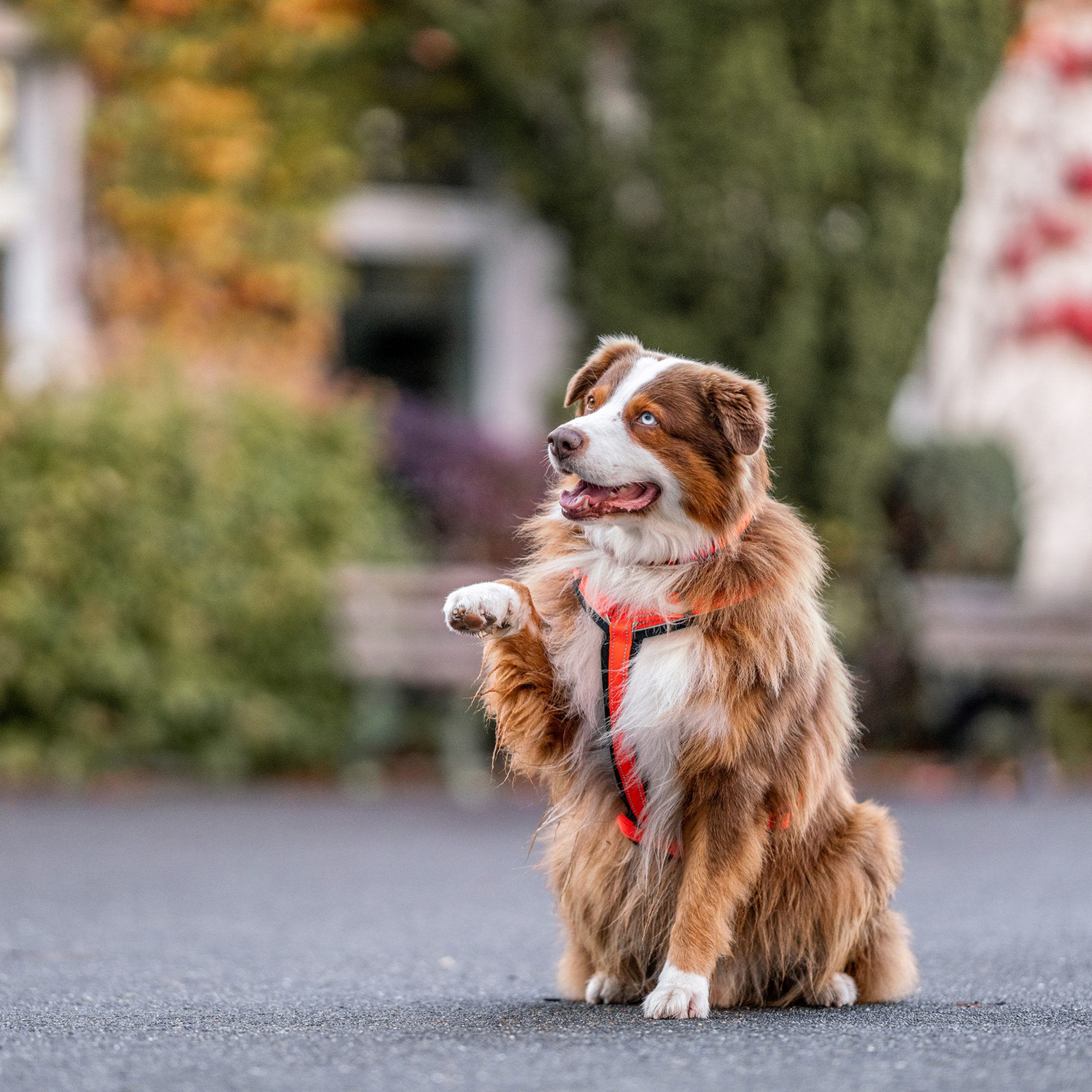
Measuring for a dog harness can sometimes be a real challenge. We have summarized what you need to know about dog harness fit and dog harness size in this blog post!
DOGlive Münster – Trade Fair & Event
DOGlive is the dog show in Münster and is just the thing for all dog owners. SPRENGER is also part of the incredibly wide range of products on offer at the show this year. Find out more here!
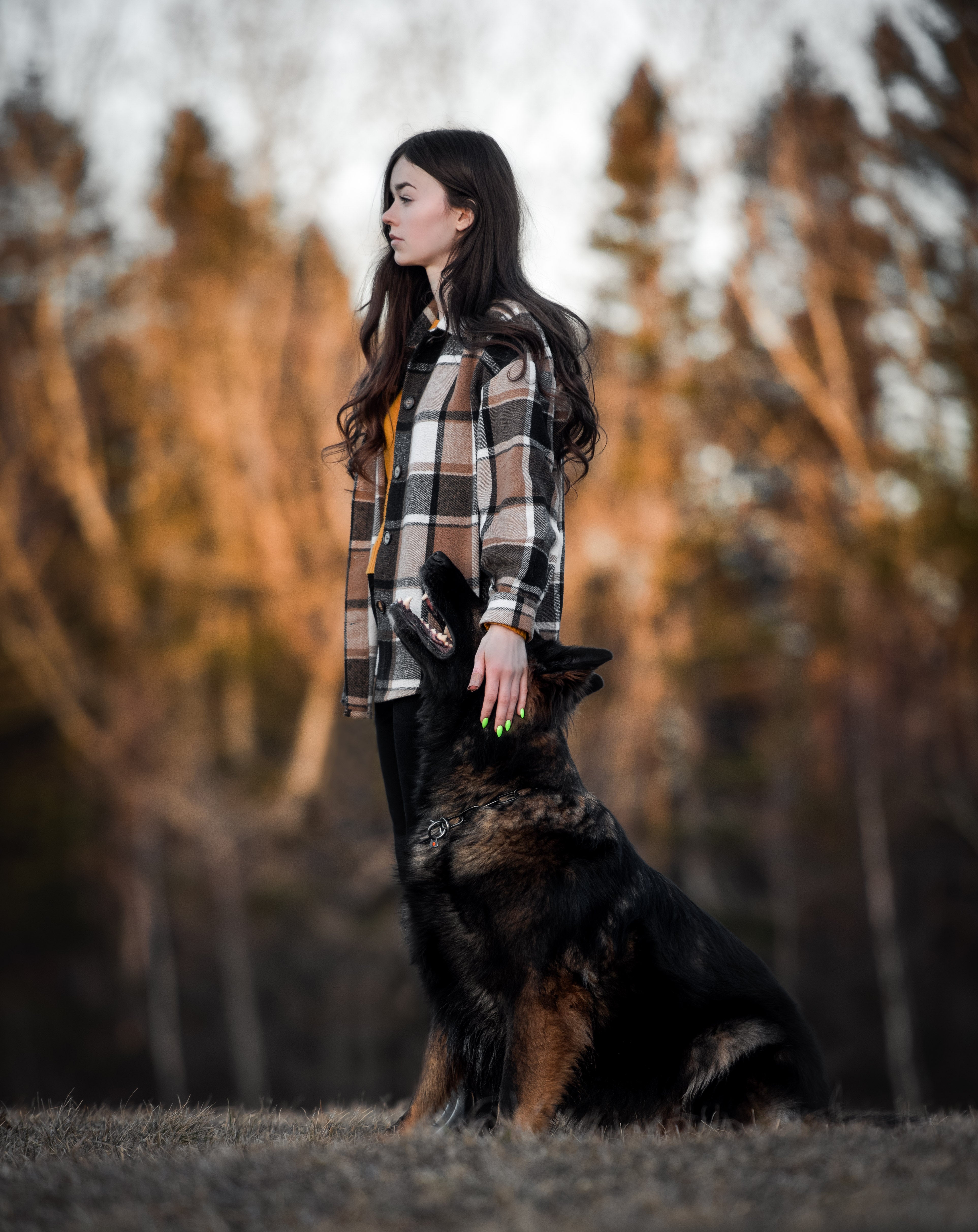
Looking for the right dog sport for you and your dog? Discover the most popular dog sports here!
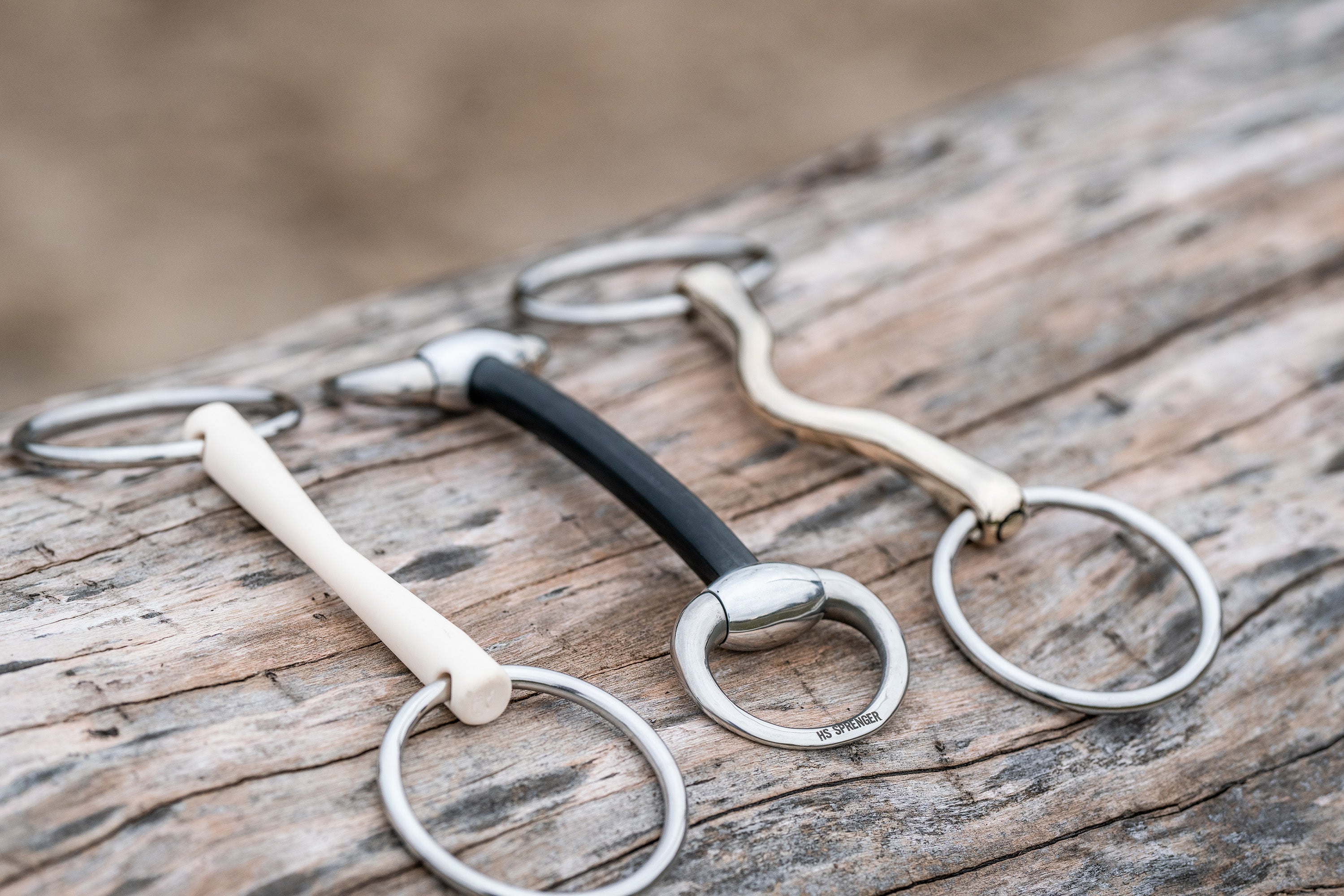
Find out all about mullen mouth bits! What advantages and disadvantages do they offer and for which horses are they a good option? We shed some light on the subject!
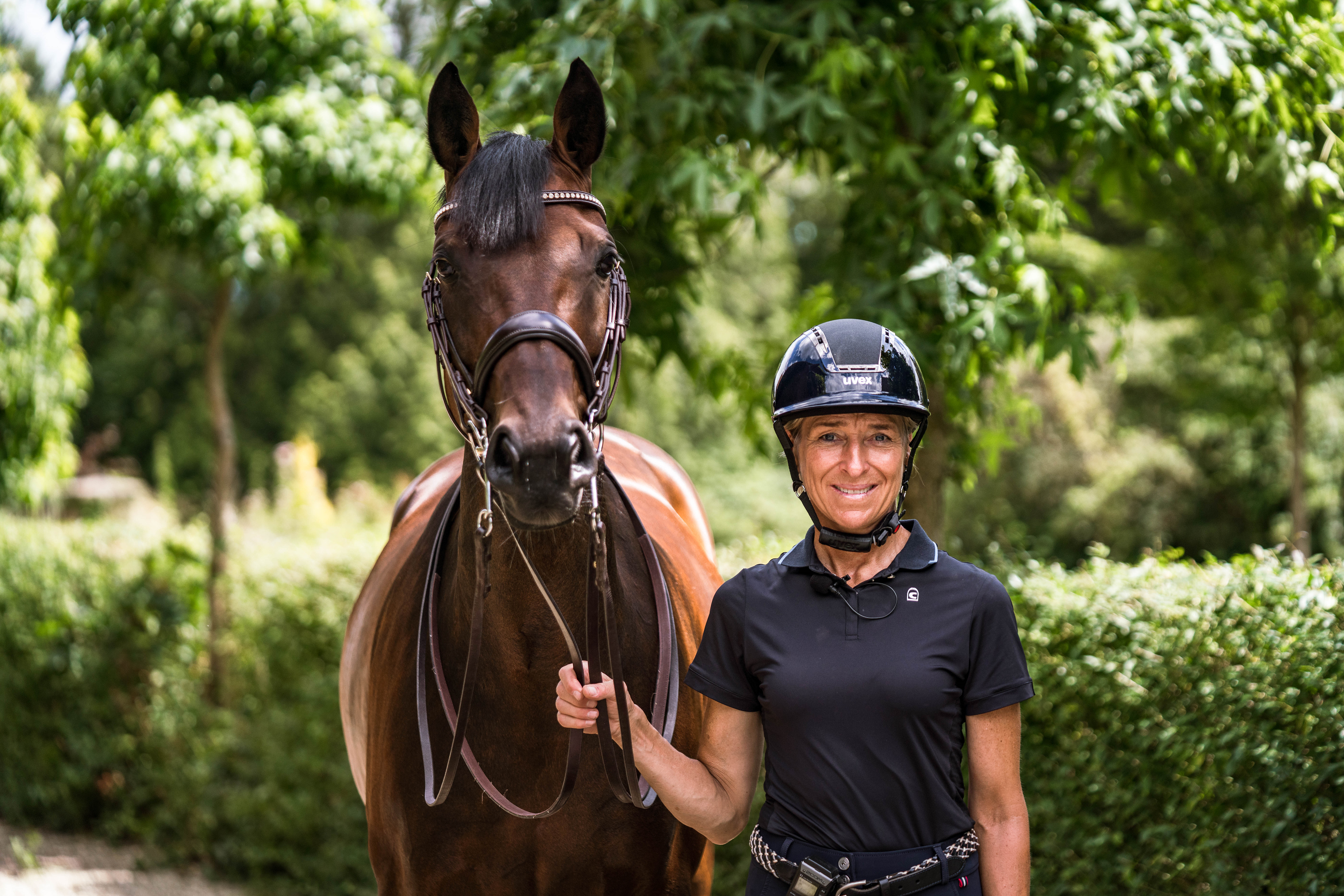
SPRENGER x Ingrid Klimke Collection
Together with our longtime partner Ingrid Klimke, we have designed a unique collection with our and your favorite products! Find out all about the collection here.
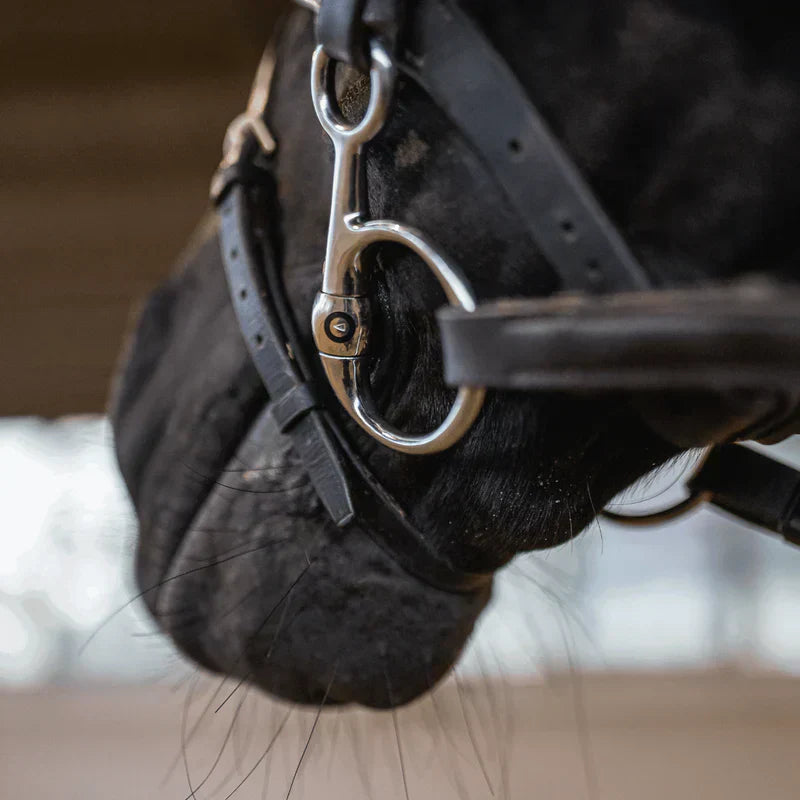
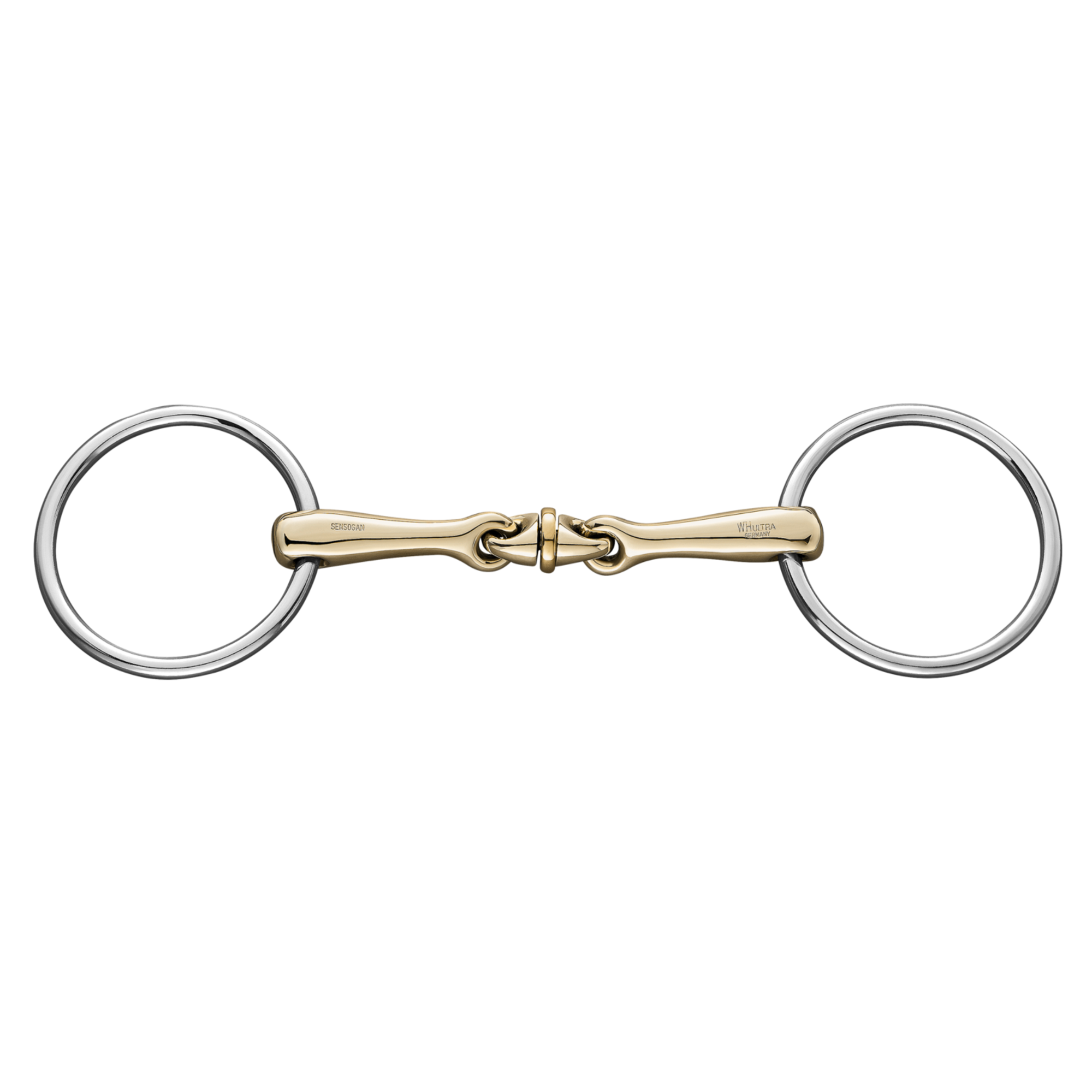
In this blog, we will introduce you to the advantages of our Baucher bits - the popular bit is known to have a special effect in the horse's mouth thanks to its special side parts and buckle, and t...
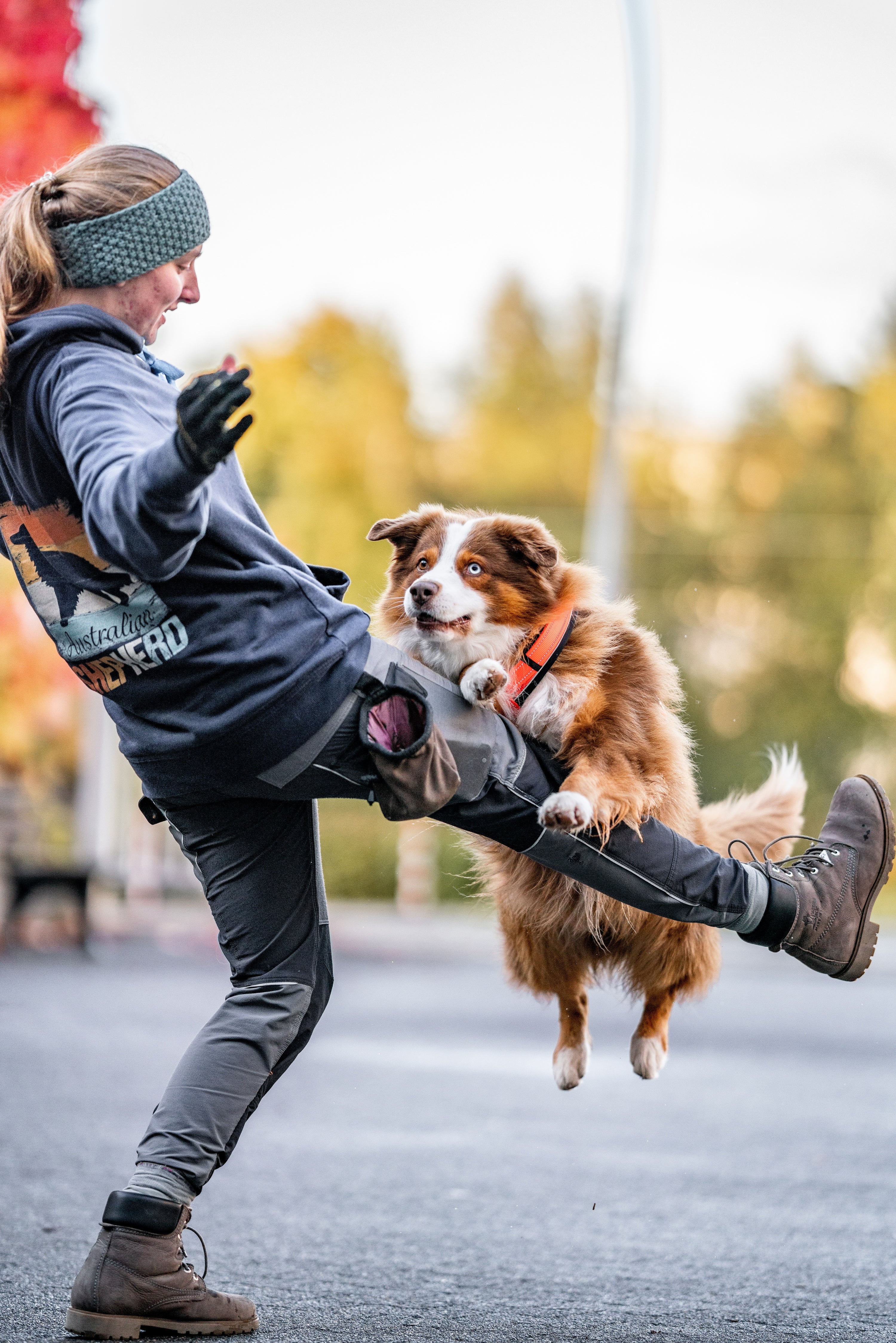
Looking for inspiration for new dog tricks? Whether you're a beginner or advanced, there's something for everyone in our blog post!
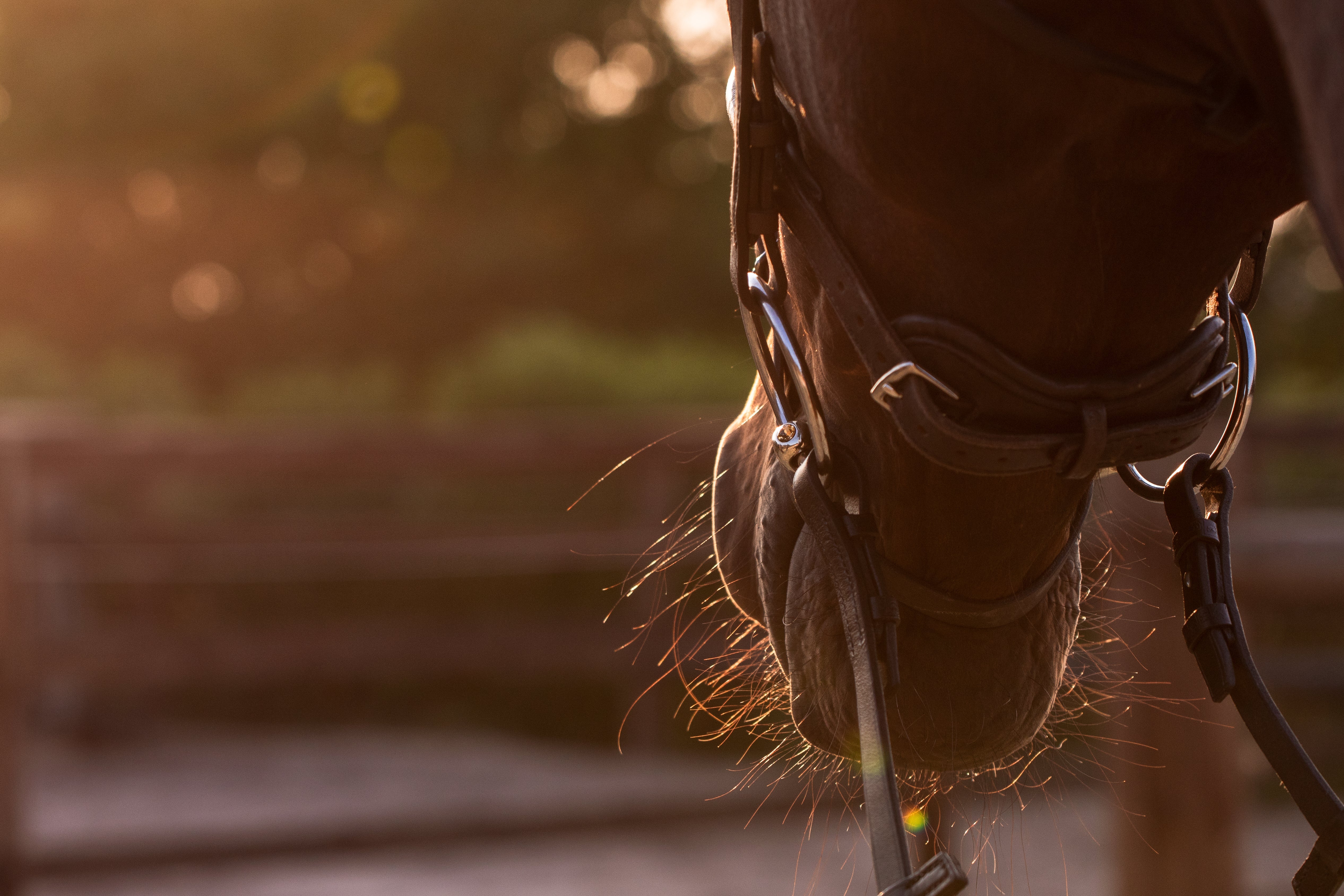
Does your horse tend to be mouthy? Put an end to it! We offer you the best tips and recommendations so that you and your horse can master this challenge together. With SPRENGER, you two are perfect...
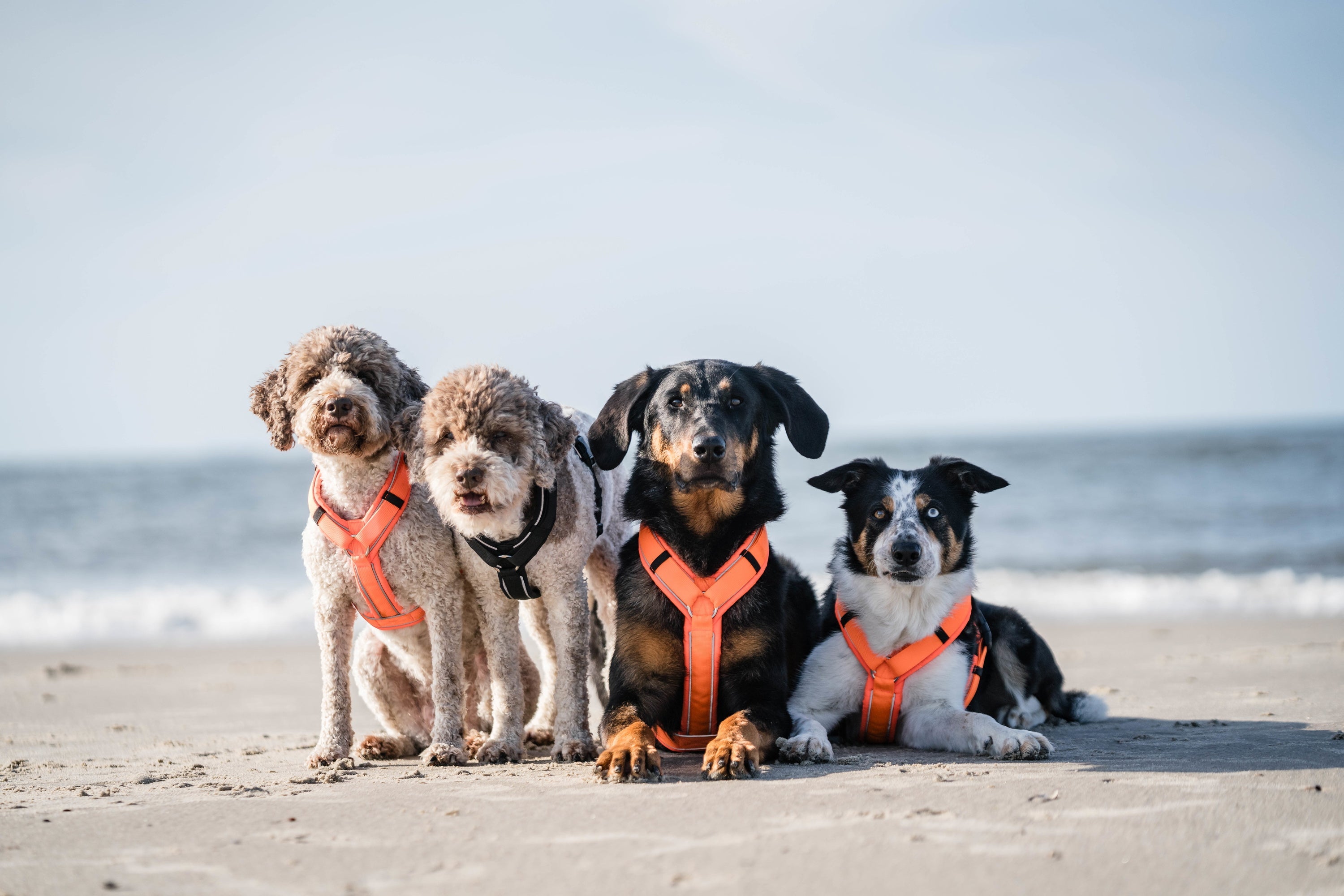
So many dog owners wonder: dog harness or dog collar?Find out everything you need to know about dog harnesses in our guide!
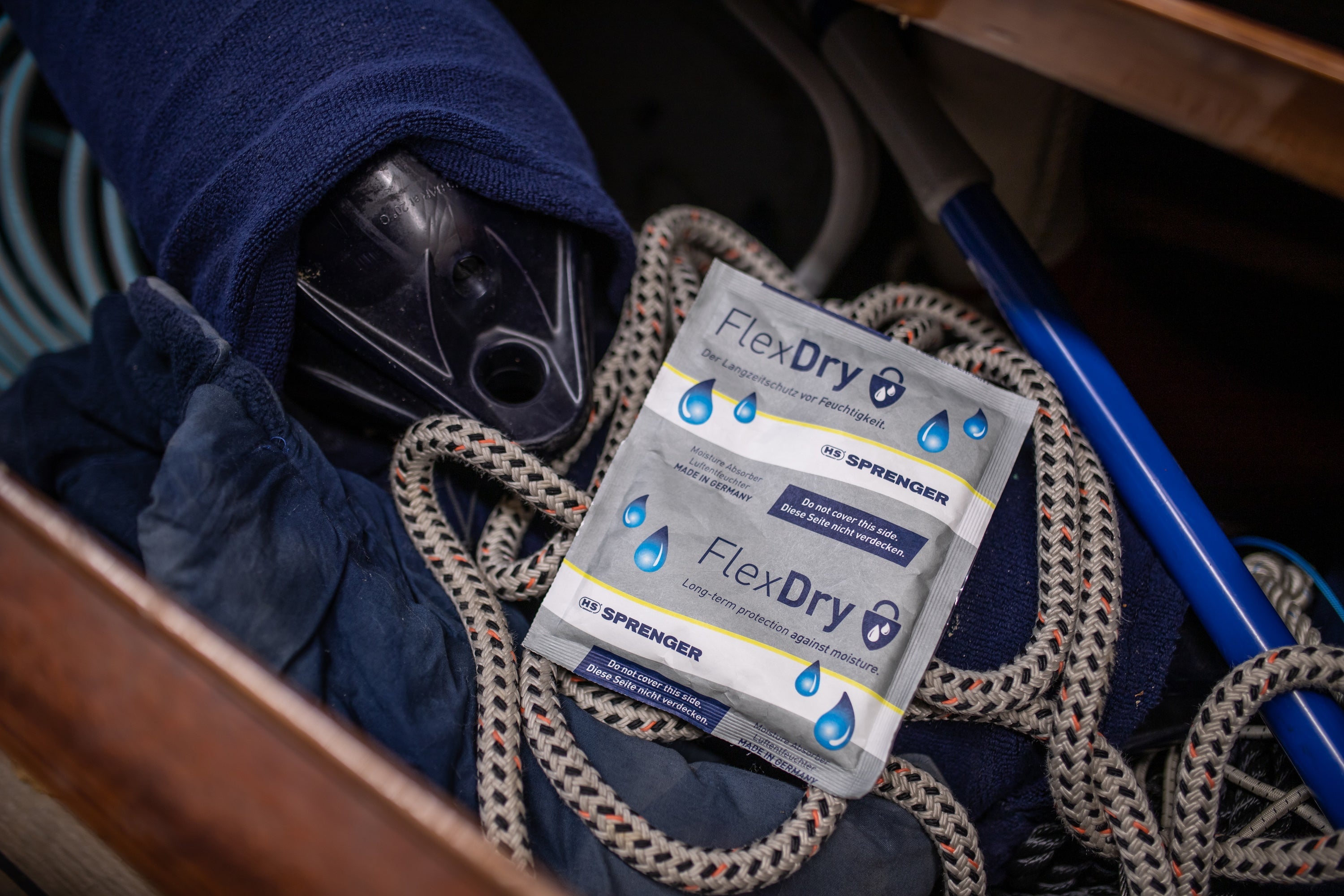
Put an end to steamed-up car windows, mouldy leather equipment in the stable or musty smells on your yacht - the FlexDry dehumidifier from SPRENGER was designed to efficiently remove excess humidity.
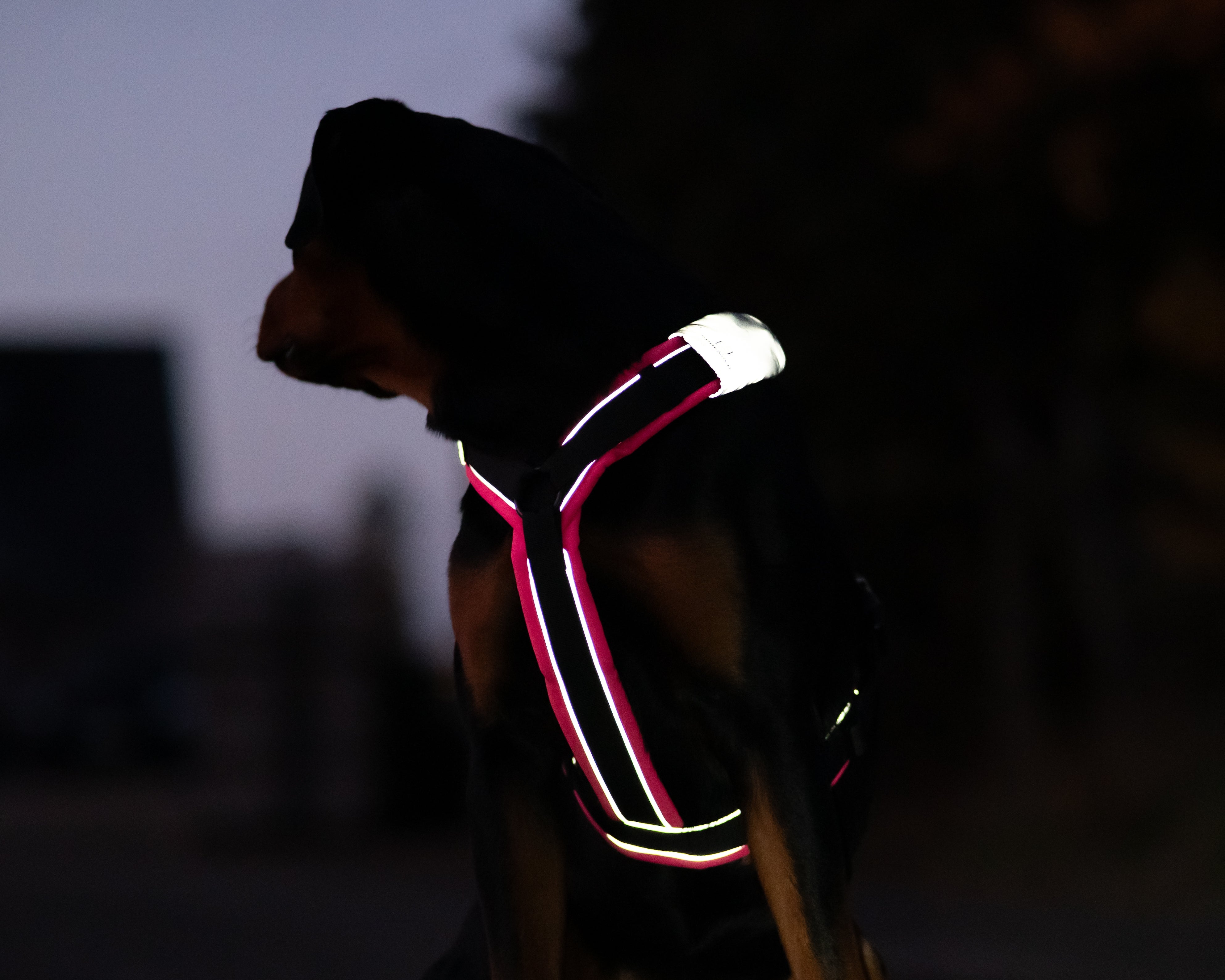
Our tips: stay safe walking your dog in the dark
The dark season has begun: The perfect time to share tips on safety for dogs in the dark and the best ways to make your dog visible in the dark!
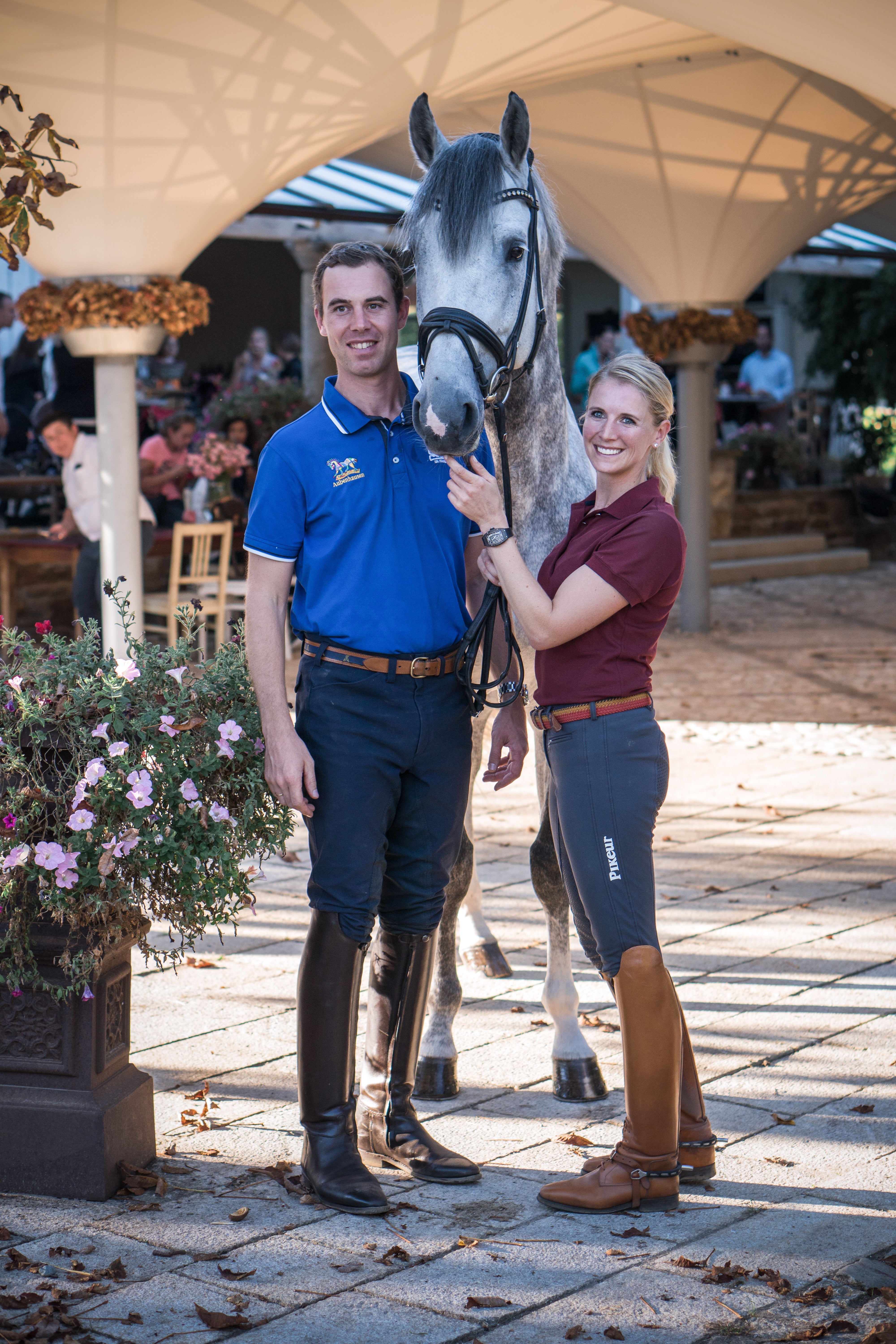
In this blog, we present our new PRONAMIC bits - a bit developed by bit expert Heiko Schmidt-Sentek and the highly successful equestrian siblings Jessica von Bredow-Wendl and Benjamin Werndl. The P...
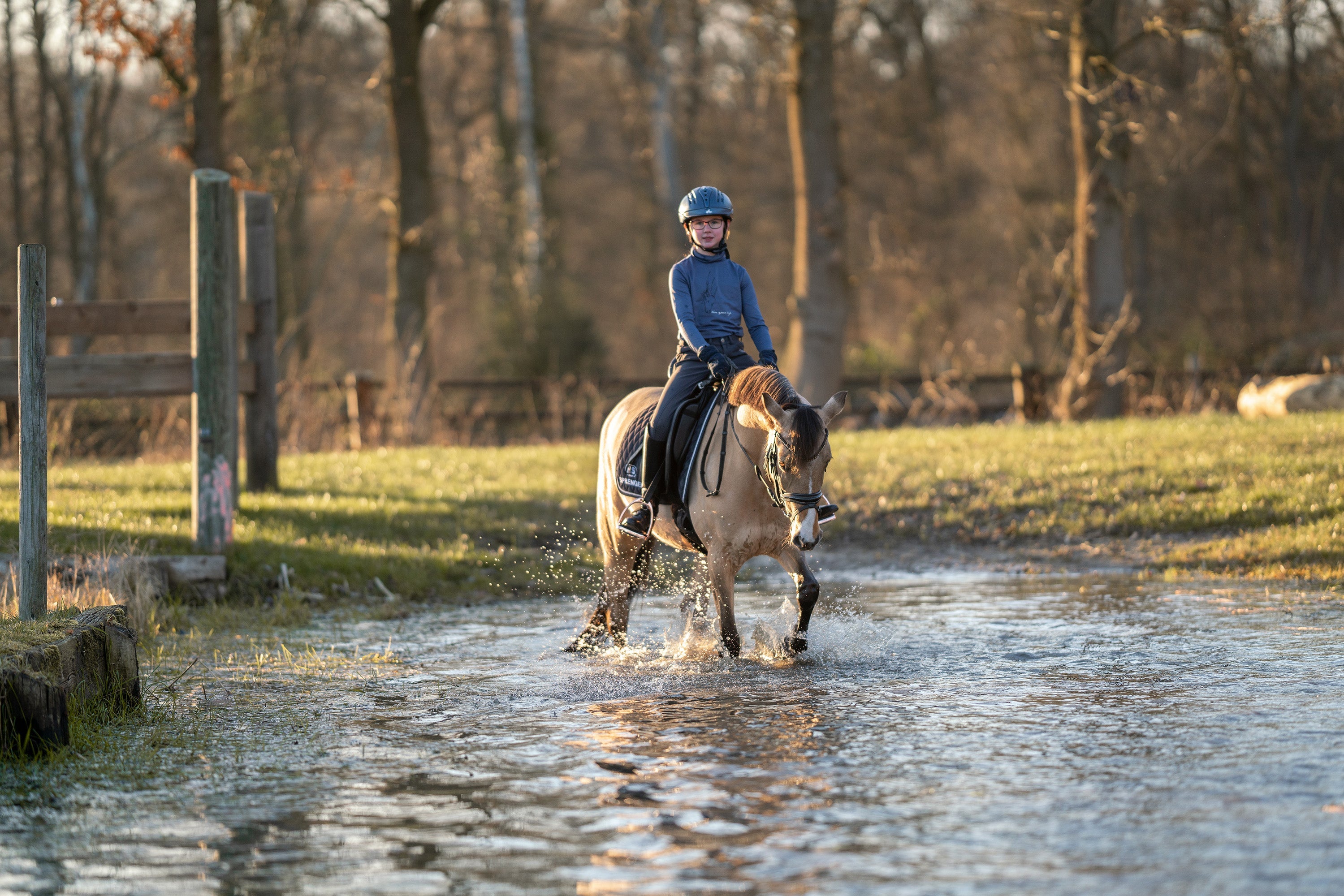
Especially for small shoe sizes: our spurs and stirrups in children's sizes. Why are there children's stirrups and what are the advantages? You can find out this and much more in the article.