


Introduction to the World of Bitless Riding
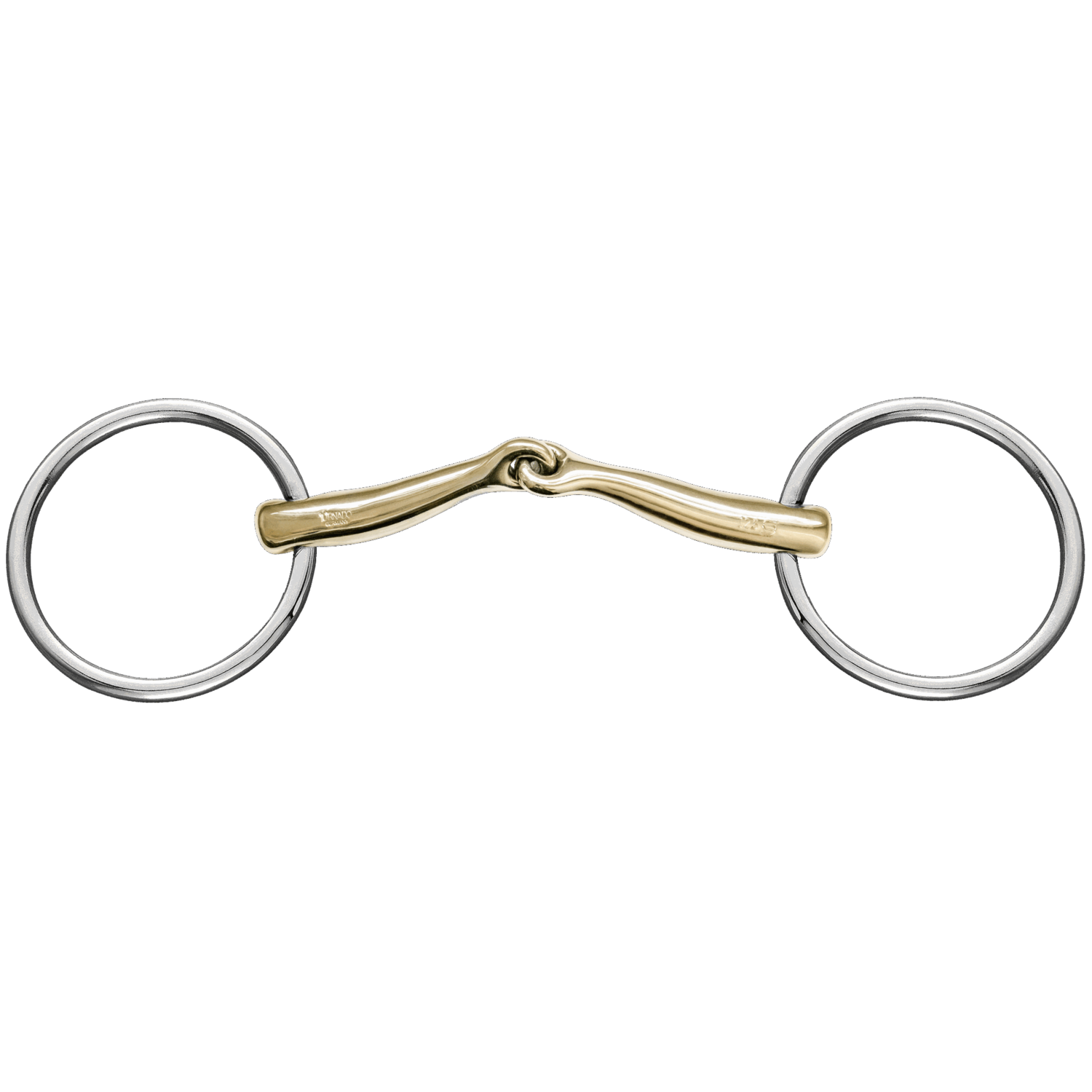
The topic of “bitless riding” is gaining increasing prominence in the equestrian world. Many horse owners and riders are interested in alternatives to the traditional bit, whether for the horse’s health or due to personal beliefs. As a leading manufacturer of high-quality bits, we at SPRENGER know that every horse has individual needs. Sometimes a bitless alternative can be the best solution—temporarily or permanently. In this blog post, we’d like to give you a comprehensive overview of riding without a bit, introduce various options, and focus particularly on the hackamore, which can be a good and easy-to-understand alternative to the bit.
Why ride bitless?
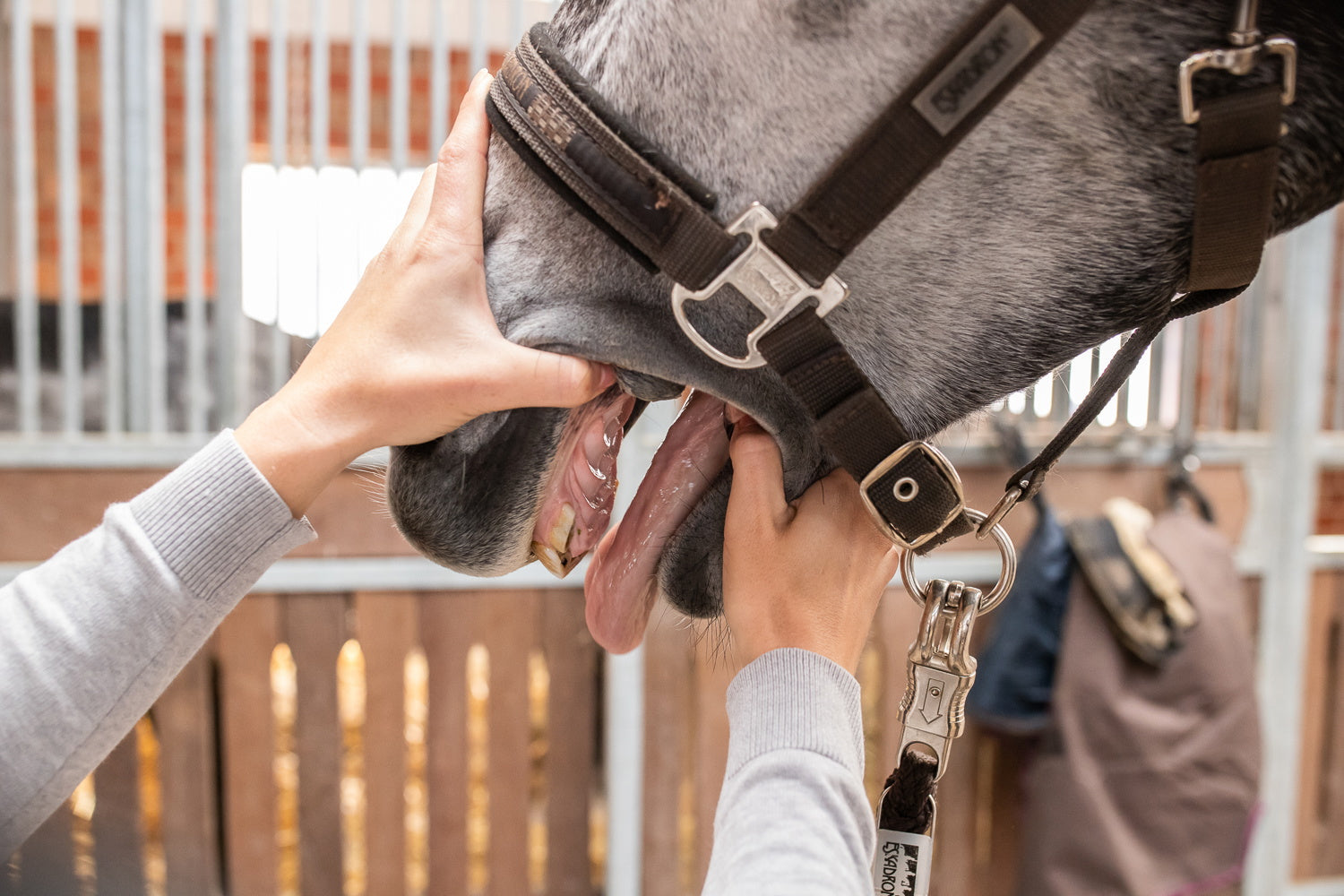
There are various reasons why you might want to ride without a bit, either temporarily or permanently. One of the most common reasons is injuries in the horse’s mouth. Cuts to the oral mucosa, inflammation, or other irritations can make wearing a bit uncomfortable for the horse. In such cases, a bitless alternative is not only gentle but also supports the healing process, as it does not place additional strain on the sensitive oral cavity.
A bitless bridle can also be the better choice following dental treatments or surgeries in the mouth area. After the extraction of wolf teeth, the removal of premolars, or other dental procedures, the horse often needs a recovery period during which the mouth is particularly sensitive. Here, bitless riding offers the opportunity to continue training.
Some horses also have fundamental issues with bits, such as due to anatomical peculiarities. In these cases, a permanent bitless solution can significantly improve the horse’s well-being and contribute to more harmonious communication between you and your horse.
The Hackamore: Precise Communication Without a Bit
Among bitless alternatives, the hackamore is a particularly interesting option because it allows for nuanced control that, in some respects, resembles that of a bit. Unlike simpler bitless bridles such as the sidepull, the hackamore-horse combination offers a more precise means of communication between you and your horse thanks to its lever mechanism.
Construction and Function of the Hackamore
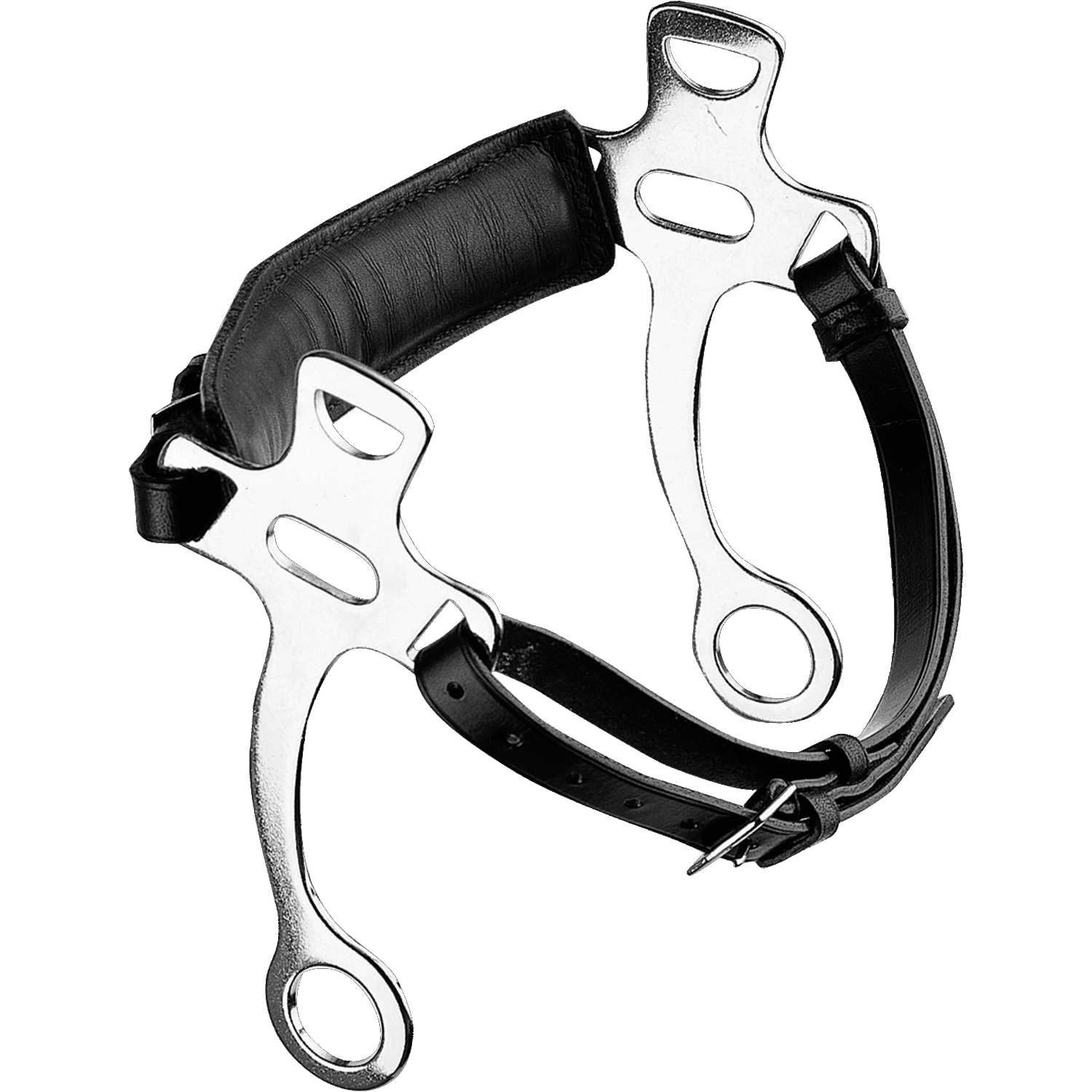
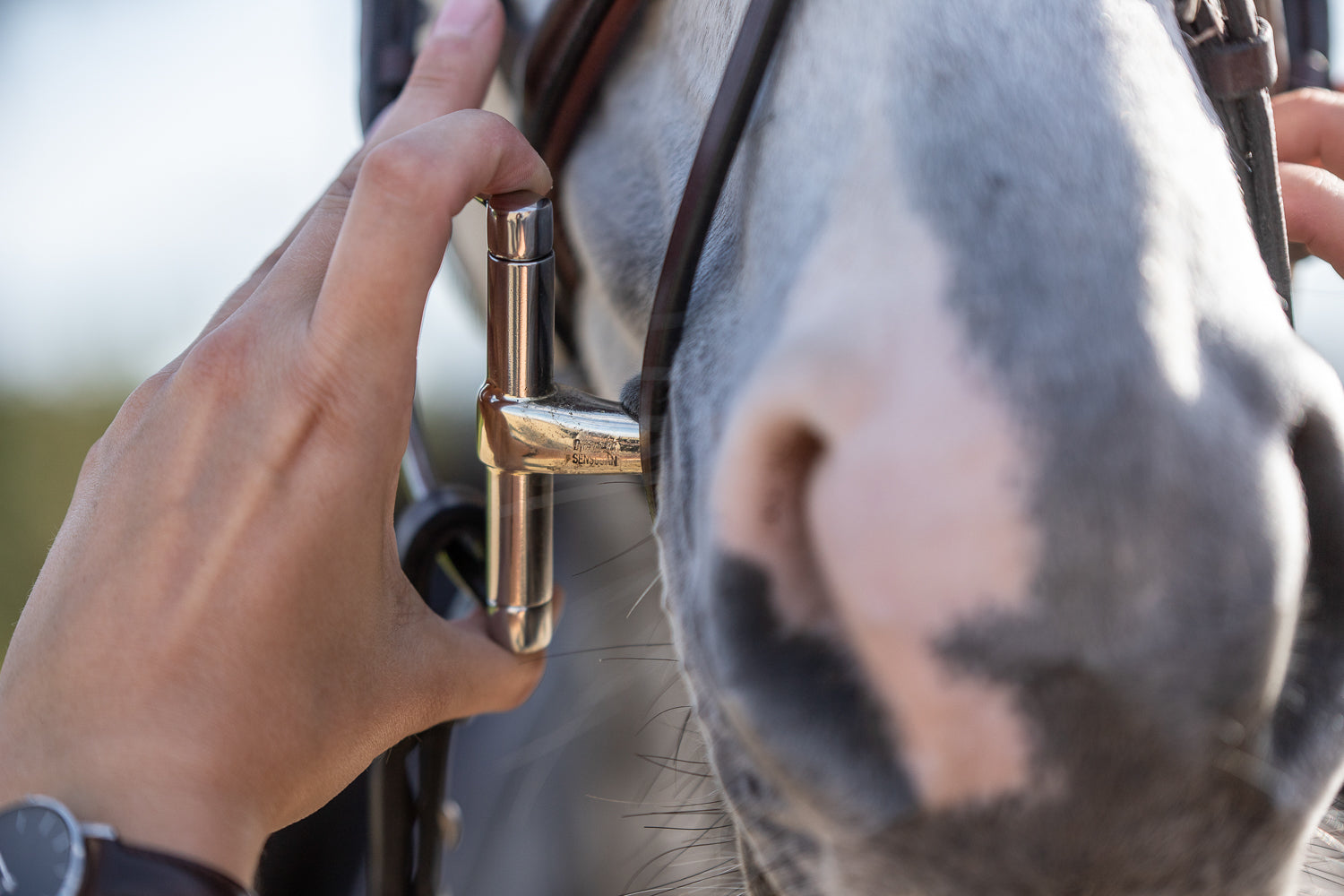
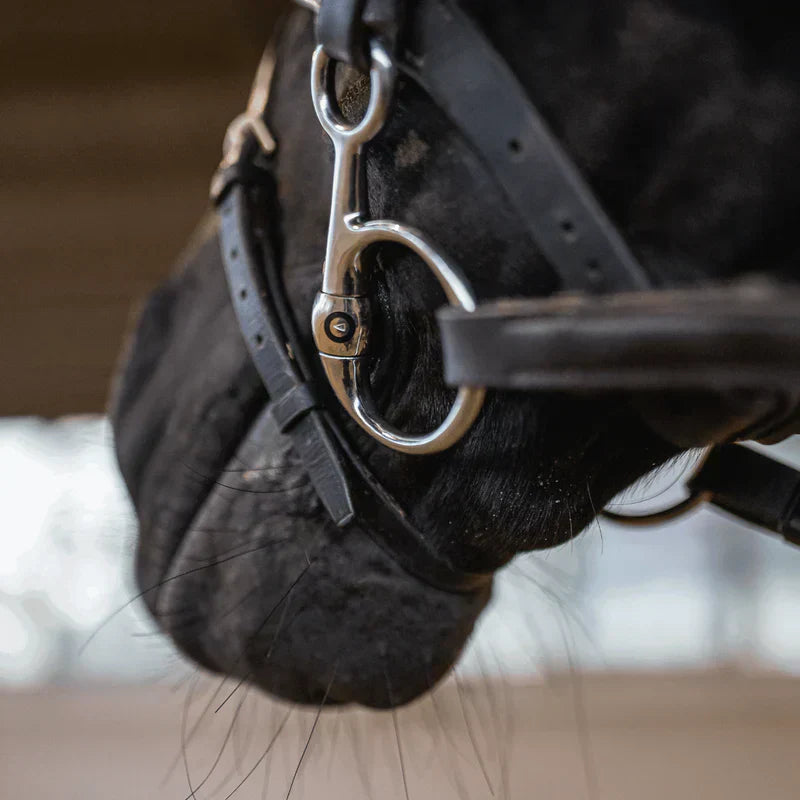
A classic hackamore, also known as a mechanical hackamore, consists of several components: a noseband, cheekpieces with shanks (lever arms), a chin strap, and a headstall. The reins are attached to the lower end of the levers. When the reins are applied, a lever mechanism is activated that applies pressure to the bridge of the nose, under the chin, and on the horse’s poll. The noseband for the hackamore is a crucial element for proper pressure distribution and the horse’s comfort.
The mechanics of leverage play a crucial role in how the hackamore works. As soon as you take up the reins, the angles of the hackamore shanks change, creating a simultaneous build-up of pressure on both the horse’s lower jaw and the sensitive neck area.
As a rider, it is particularly important with this bitless bridle to finely tune and precisely control your lateral aids. Only then can you optimally regulate the pressure and elicit the desired response from your horse.
The intensity of the signal transmission is largely determined by two factors: first, the specific design and length of the hackamore shanks, and second, the finesse and sensitivity of your riding hand. The longer the lever arms, the stronger the potential effect—and the more important your sensitive touch becomes when riding bitless.
Proper Fitting of the Hackamore
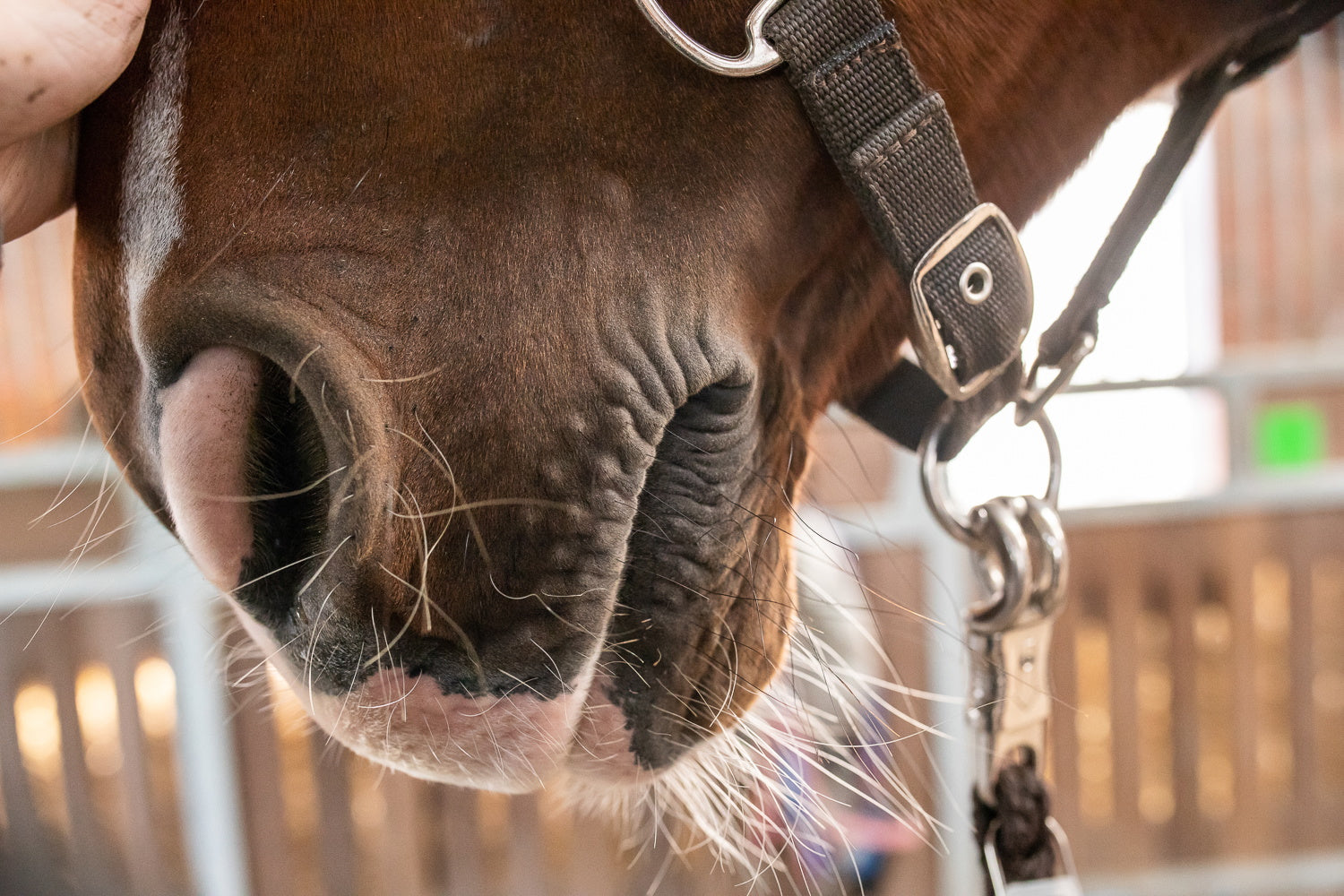
Proper fitting of the hackamore is crucial for it to function correctly and ensure the horse’s comfort. The noseband for the hackamore should be positioned about two finger-widths below the cheekbone—neither too high, where it would rest on the sensitive facial nerves, nor too low, where it could impede breathing. The noseband must always rest on the firm part of the nose! The chin strap should be adjusted so that it sits loosely when the reins are held neutrally, but stabilizes the noseband when the reins are applied.
SPRENGER hackamores are available in various sizes to ensure an optimal fit for different horse head sizes. The noseband and chin strap offer sufficient adjustment options for a perfect fit.
Advantages of the Hackamore Compared to Other Bitless Alternatives
The hackamore offers several key advantages over other bitless bridles:
- Precise control: Thanks to its lever mechanism, the hackamore allows for nuanced communication.
- Versatility: The hackamore is suitable for various riding styles and disciplines, from classical dressage to Western riding.
- Adaptability: By choosing different shank and noseband shapes, the effect can be individually tailored to your horse’s needs.
- Clear signals: The hackamore provides clear signals for changes of direction and transitions, which can be particularly helpful for your horse when transitioning from bit-to-bitless riding.
SPRENGER hackamores combine these advantages with the highest quality materials and thoughtful design to provide a positive experience for both you and your horse.
Bitless Riding: An Overview of the Pros and Cons
Advantages of bitless riding:
- Gentle on the mouth: Bitless riding offers an alternative, especially in cases of injury or following dental procedures.
- Avoids bit pressure: Horses with sensitive mouths or anatomical peculiarities benefit from pressure distribution outside the oral cavity.
- Alternative for bit intolerance: Some horses show clear defensive reactions to any type of bit—in such cases, a bitless bridle can be the solution.
Disadvantages of bitless riding:
- Limited subtlety: Depending on the type of bitless bridle, the subtlety of communication may be limited compared to a bit.
- Competition restrictions: In many traditional competition disciplines, bitless bridles are not permitted or are only allowed to a limited extent.
- Potential pressure points: Even bitless bridles can cause pressure points if used or fitted incorrectly, especially on the sensitive bridge of the nose.
The decision of whether to ride with or without a bit should always be made on an individual basis, taking into account your horse’s specific needs as well as your goals as a rider.
When is it advisable to switch back to a bit?
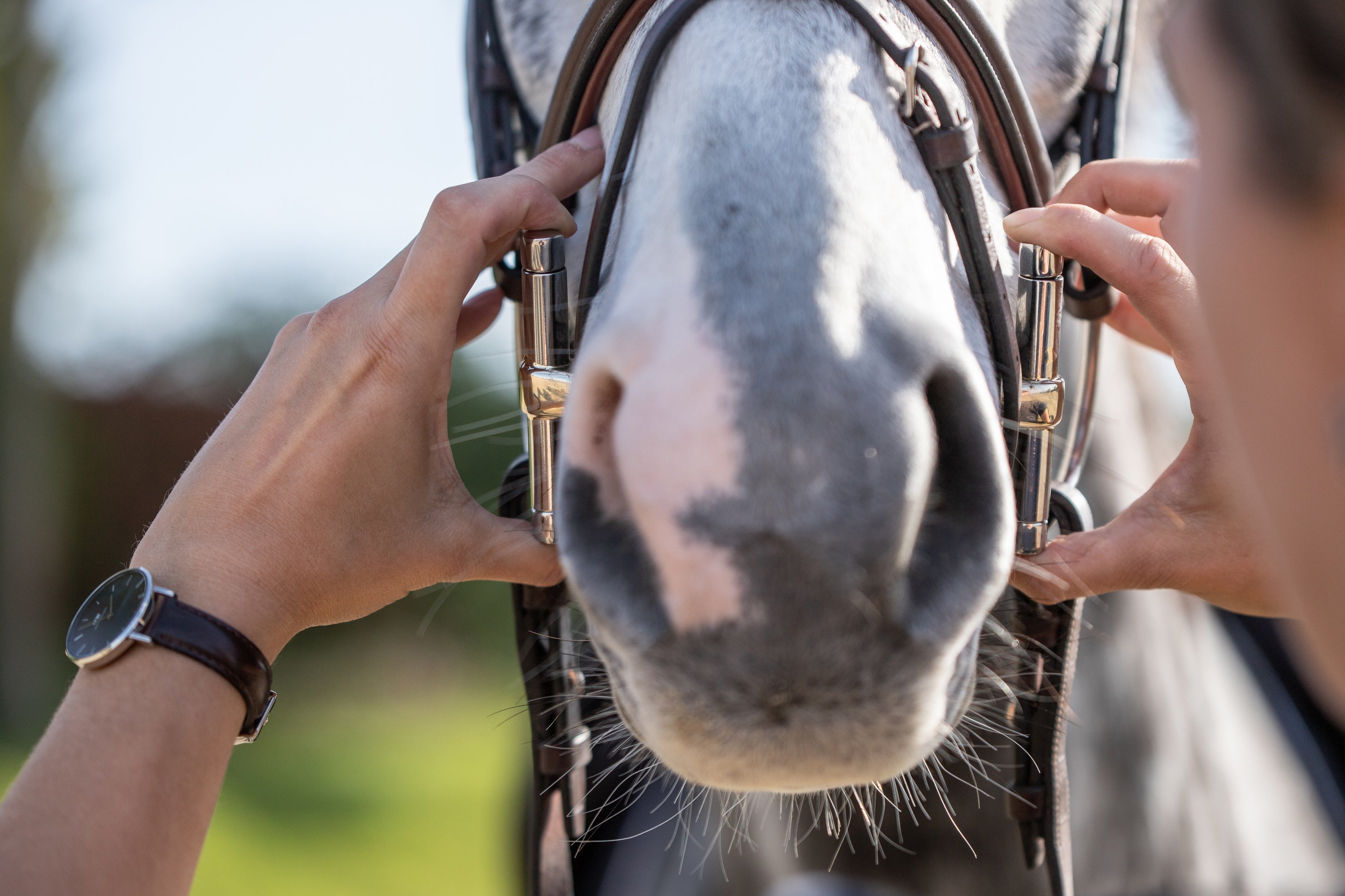
While the hackamore is an excellent alternative for many horses, there are situations in which switching back to a bit may be advisable. Once injuries in the mouth have healed or after sufficient recovery time following dental procedures, a well-fitted bit may once again be the better choice.
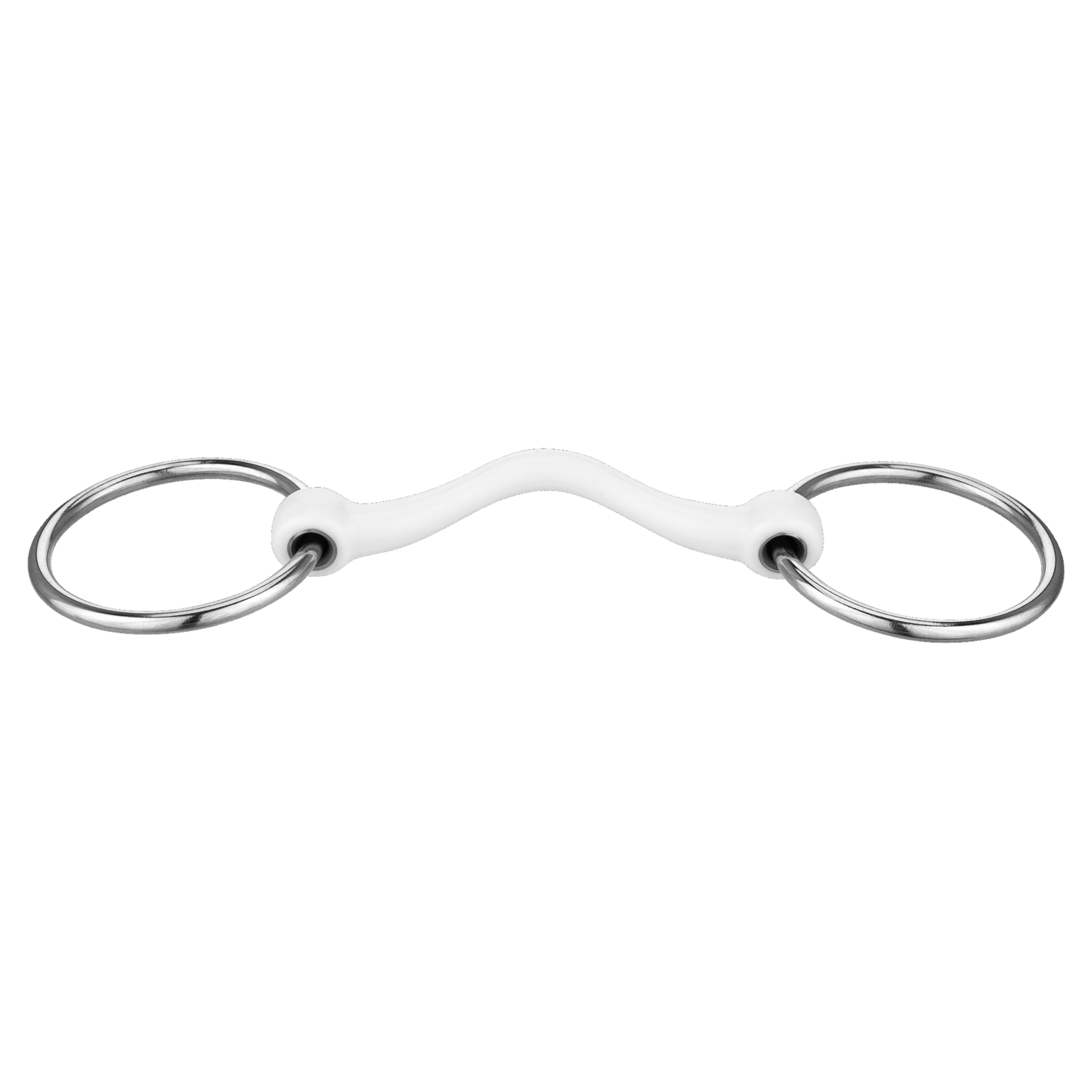
The SPRENGER product range offers a wide variety of bits designed specifically for different horse needs. From sensitive horses with low palates to horses with fleshy mouths—there is a suitable bit for almost every horse. In the article “How do I find the right bit?”, you’ll find more information on the topic.