




How to Find the Perfect Bit for Your Horse
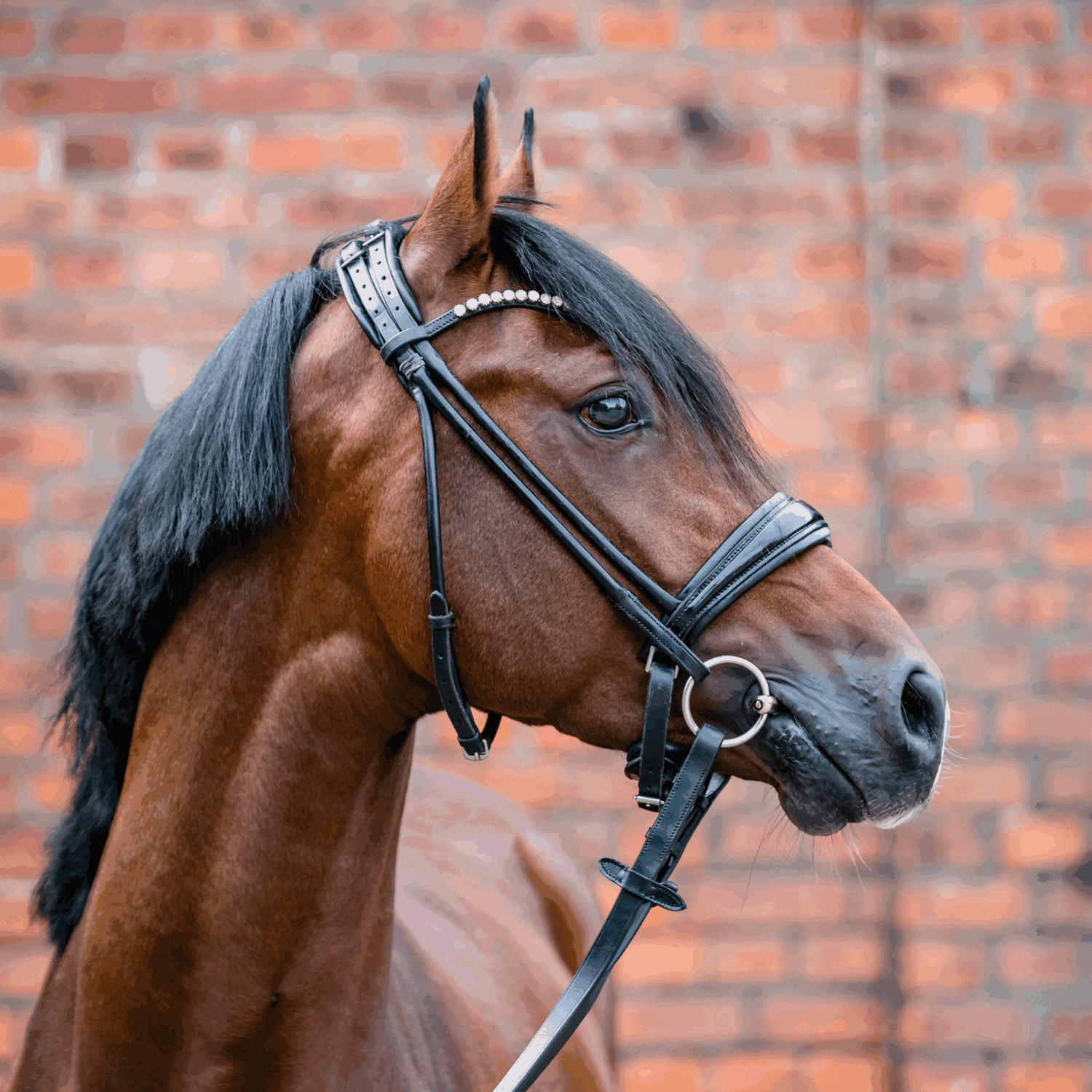
A well-fitting bit is the foundation for refined riding and a trusting relationship between you and your horse.But how can you tell if your current bit is truly right for your four-legged partner?And what information is important when seeking professional advice?This article covers everything you need to know about bit fitting – from the first signs of an unsuitable bit to the best way to prepare for a personalized consultation.
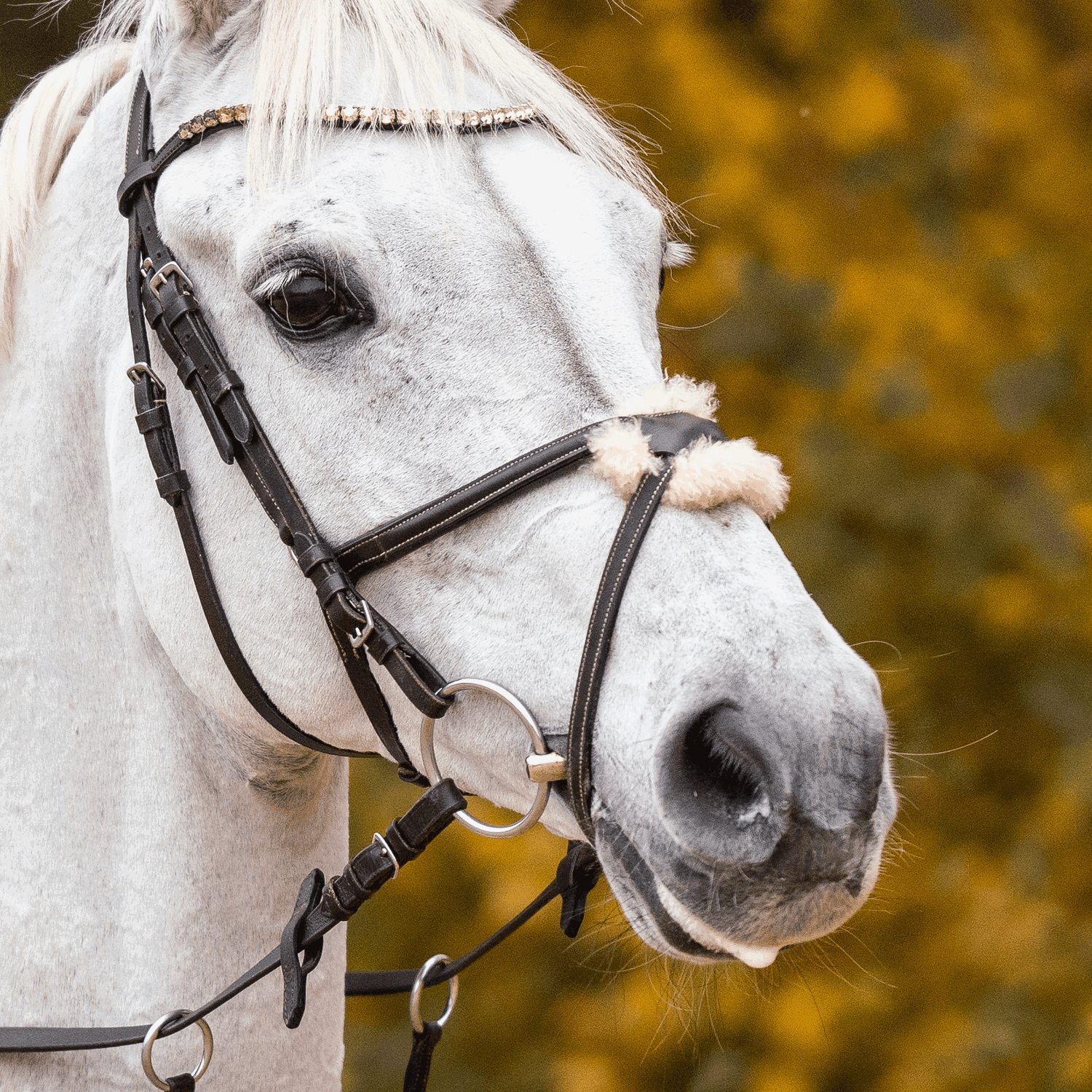
Varför är det så viktigt att ha rätt tandprotes?
Varje häst är unik – och det gäller även munnen. Gomform, tungtjocklek, käkställning, munbredd och form på läpparna skiljer sig avsevärt från häst till häst. Ett bett som fungerar perfekt för ett häst kan orsaka problem för ett annat. Endast om bettet passar perfekt till den individuella anatomin kan ditt häst slappna av i ryttarens hand, reagera fint på tygelhjälpmedel och tugga nöjt. Ett olämpligt bett kan däremot leda till spänningar, motsträvighet och till och med skador i hästens känsliga mun.

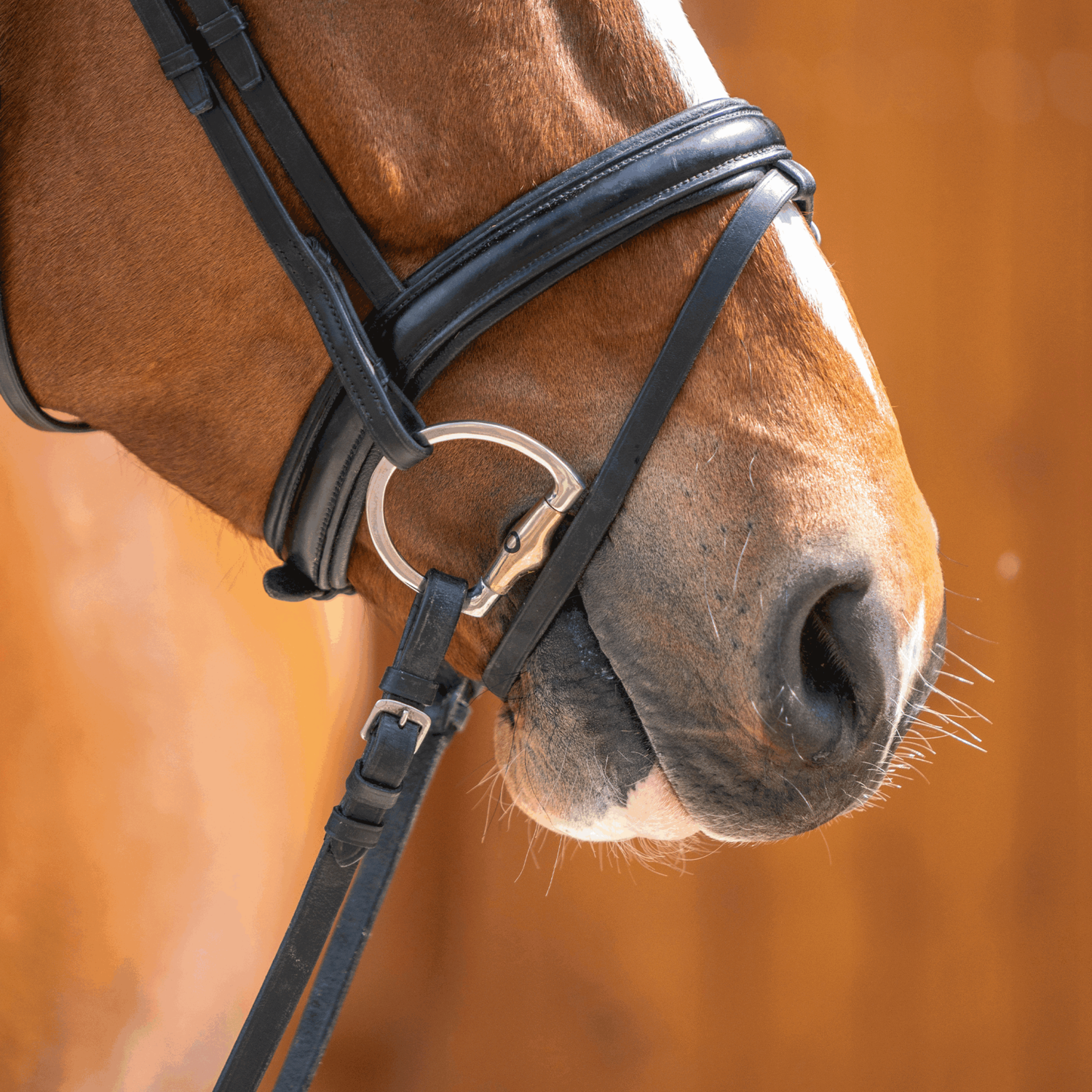
Tecken på att ditt bett inte passar
Innan du börjar leta efter ett nytt bett är det värt att titta närmare på ditt hästs beteende. Följande signaler kan tyda på att det nuvarande bettet inte sitter optimalt:
Huvudskakningar eller avvisande: Ditt häst skakar ofta på huvudet, kastar upp det eller ställer sig inte korrekt
Öppen mun: Munnen öppnas eller hålls öppen medan bettet ligger i munnen
Okonstant stöd: Ditt häst undviker stödet eller går bakom vertikalen
Synliga skador: Tryckmärken, rodnad eller öppna sår i munnen, vid munvinklarna eller på tungan
Oro vid upptränning: Ditt häst motsätter sig upptränningen eller visar obehag
Ökad salivation eller tungfel: Överdriven salivation, tuggande eller fastbitande eller utsträckande av tungan
Dessa symtom kan ha olika orsaker – från felaktig bettstorlek eller -form till olämplig bettstyrka eller olämpligt material eller sidodel.
Bestäm rätt tandbredd
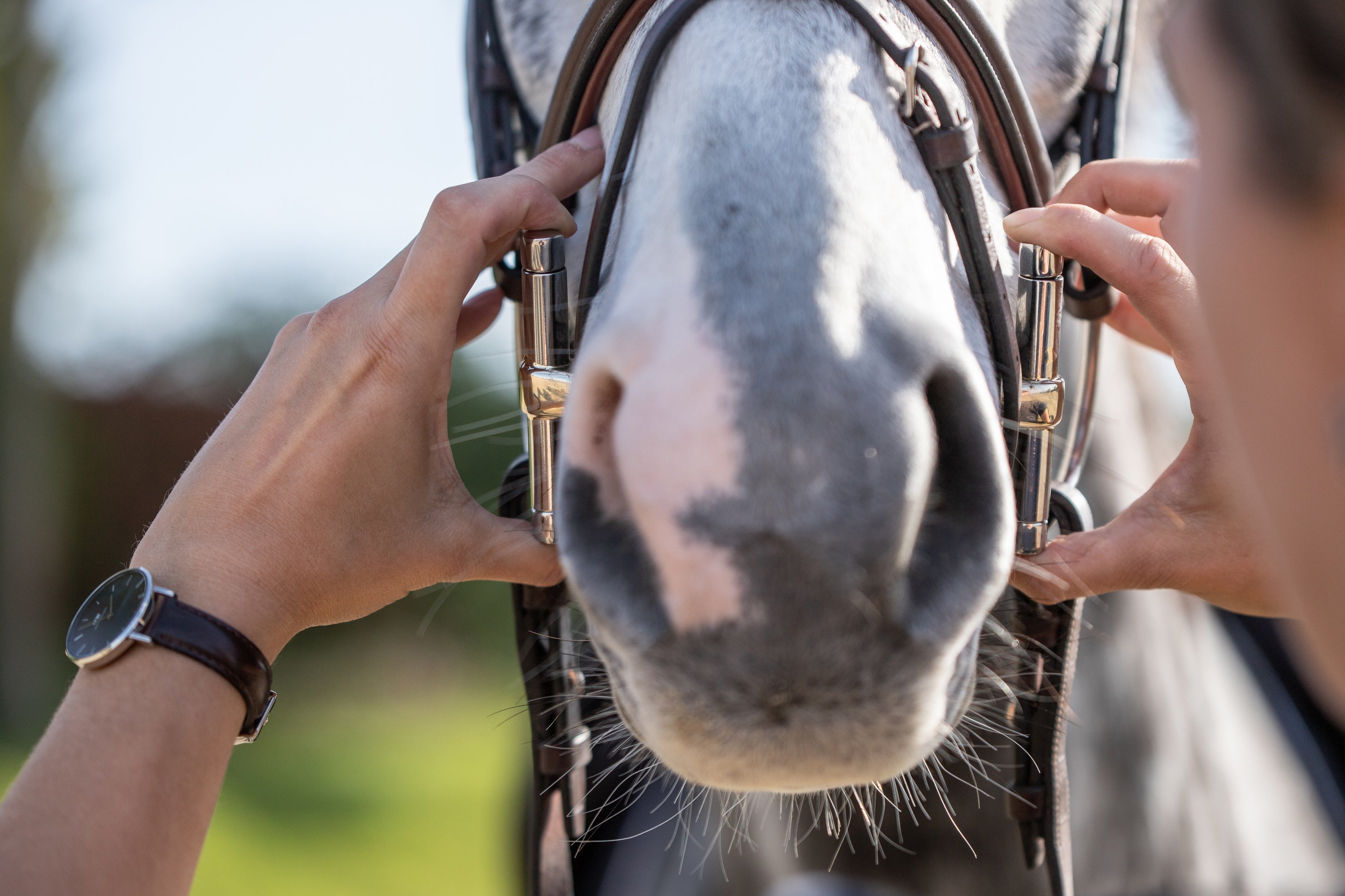
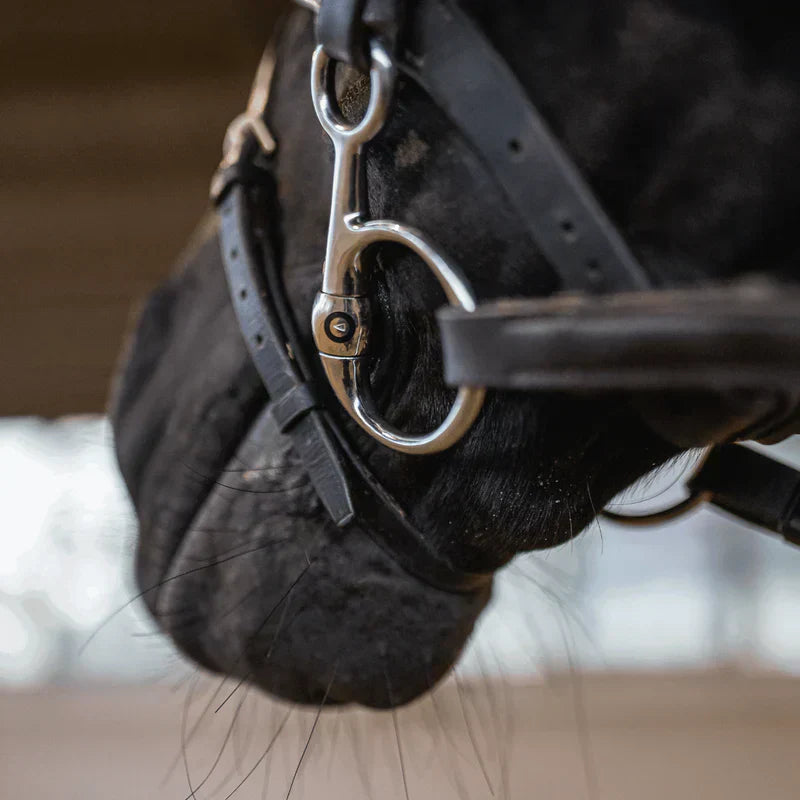
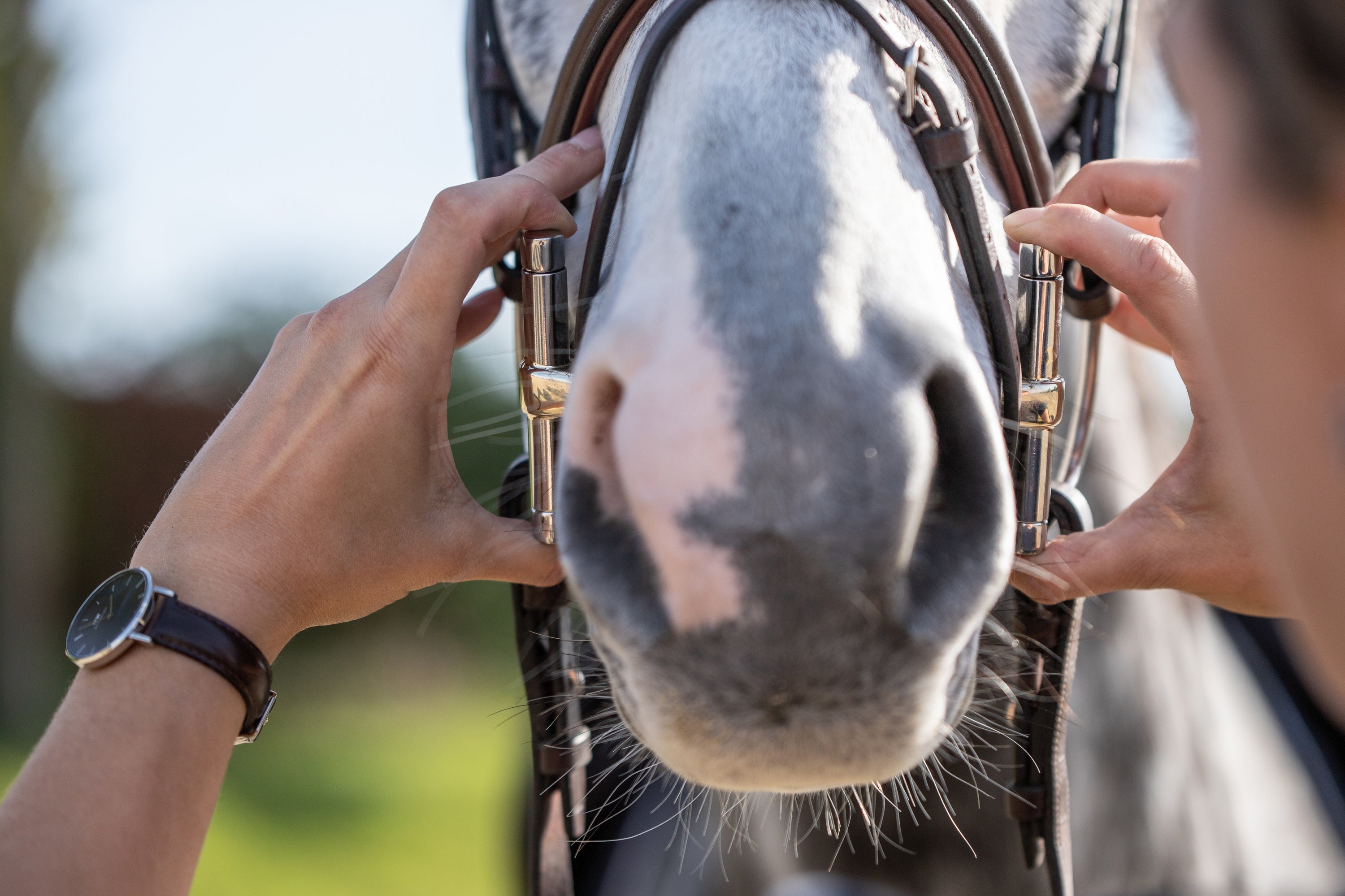
Tandbredden är en av de viktigaste faktorerna för ett välsittande bett. För smala bett klämmer fast mungiporna, för breda bett glider fram och tillbaka och kan slå mot tänderna eller trycka mot kindtänderna när tyglarna dras åt från utsidan.
Så här hittar du rätt tandställningsbredd
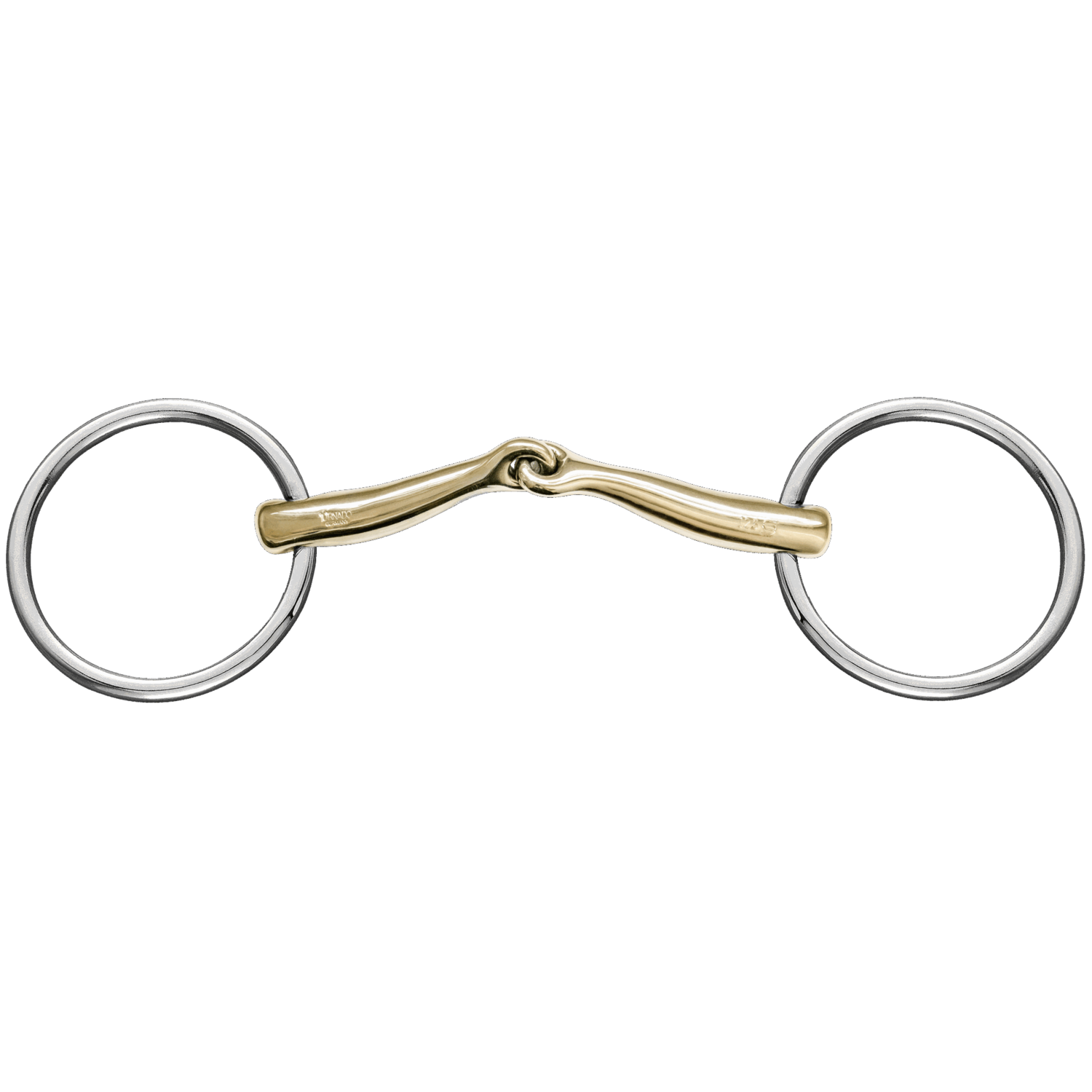
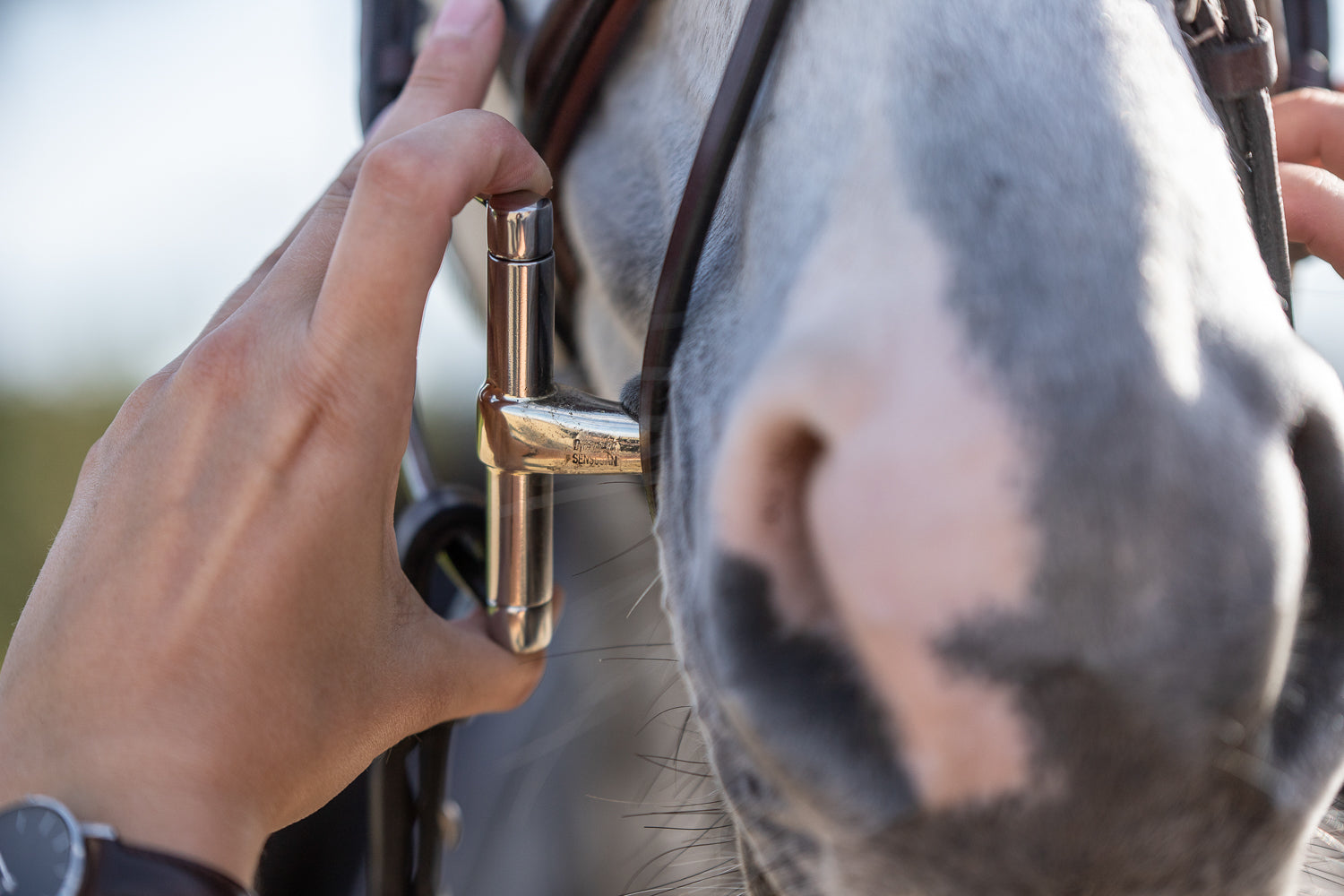
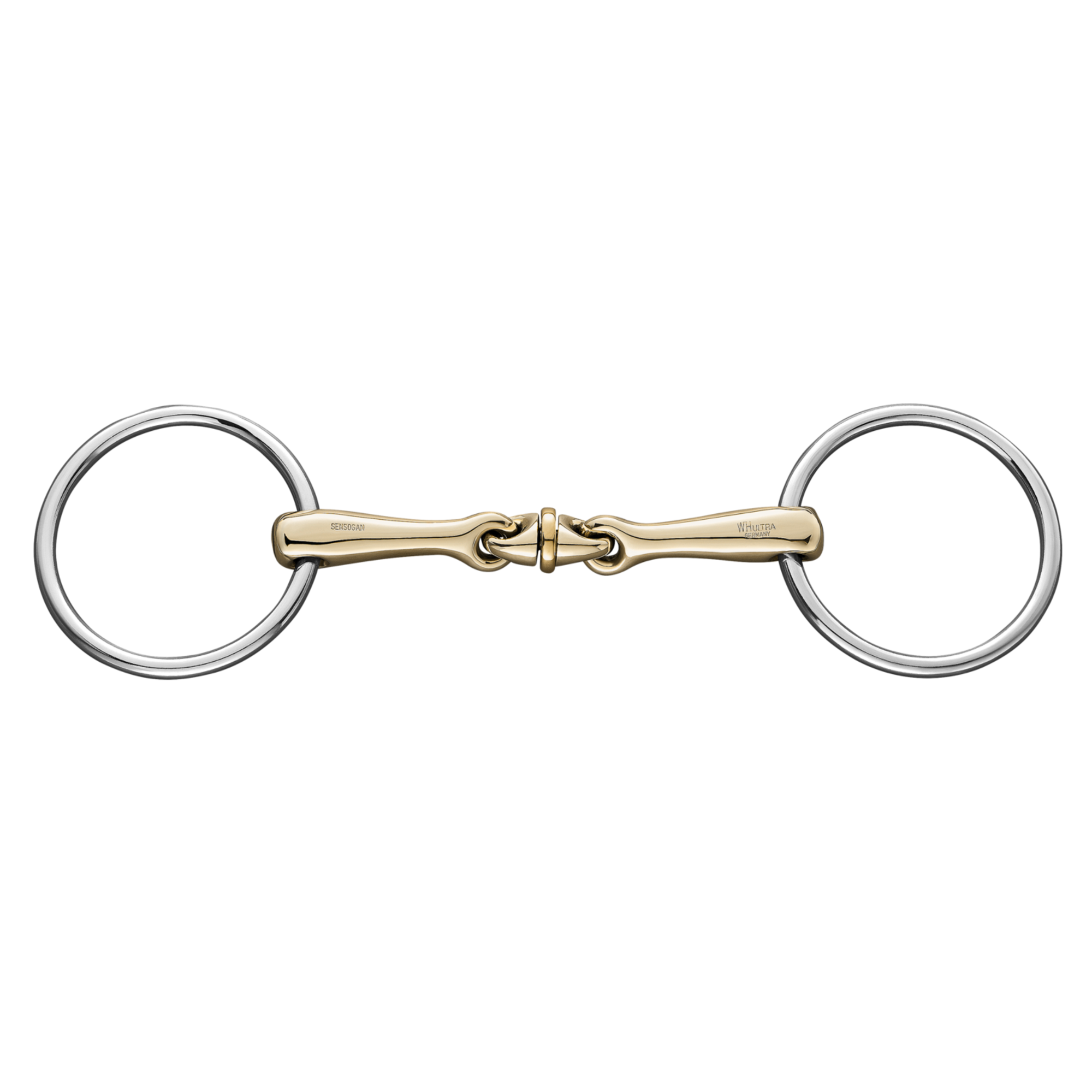
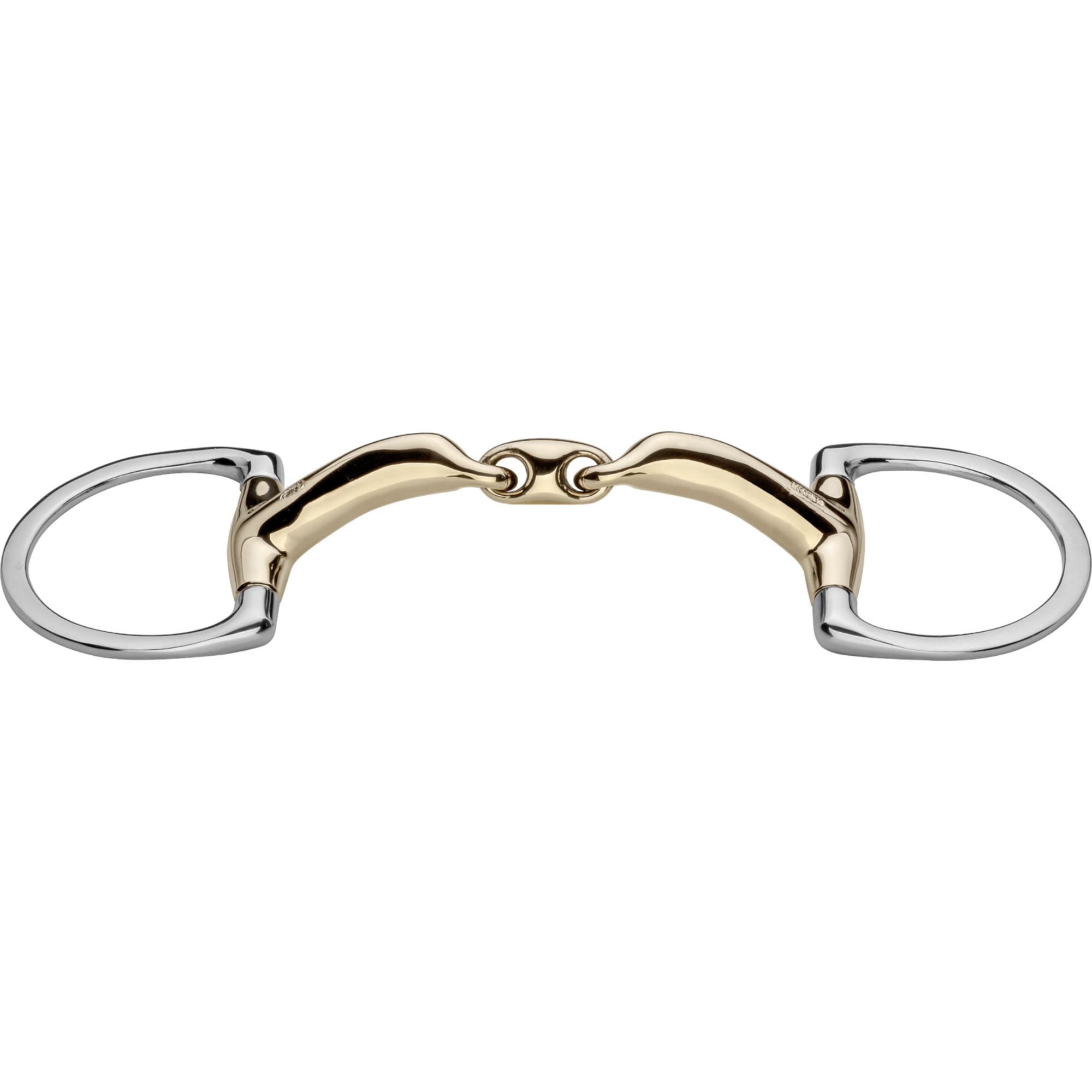
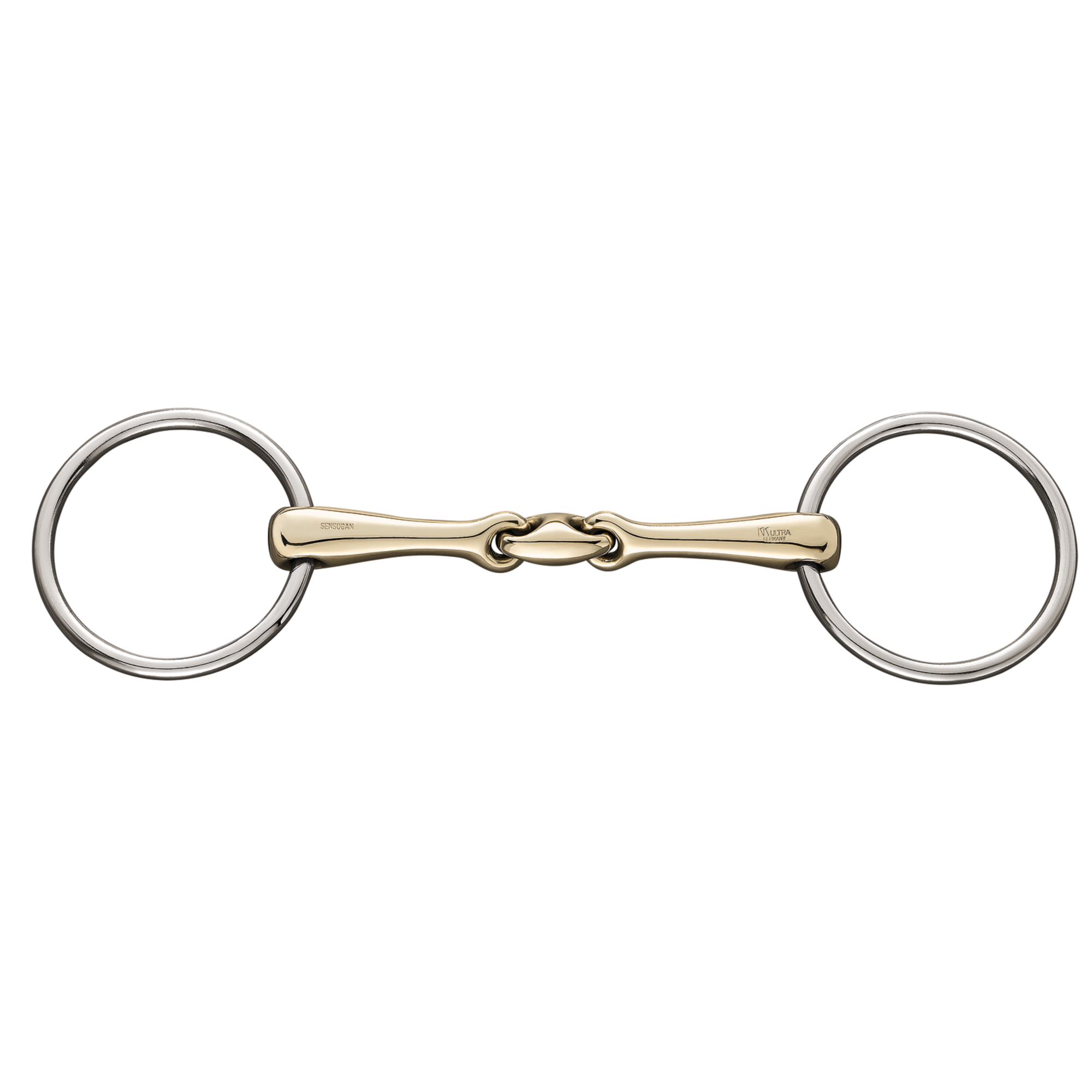
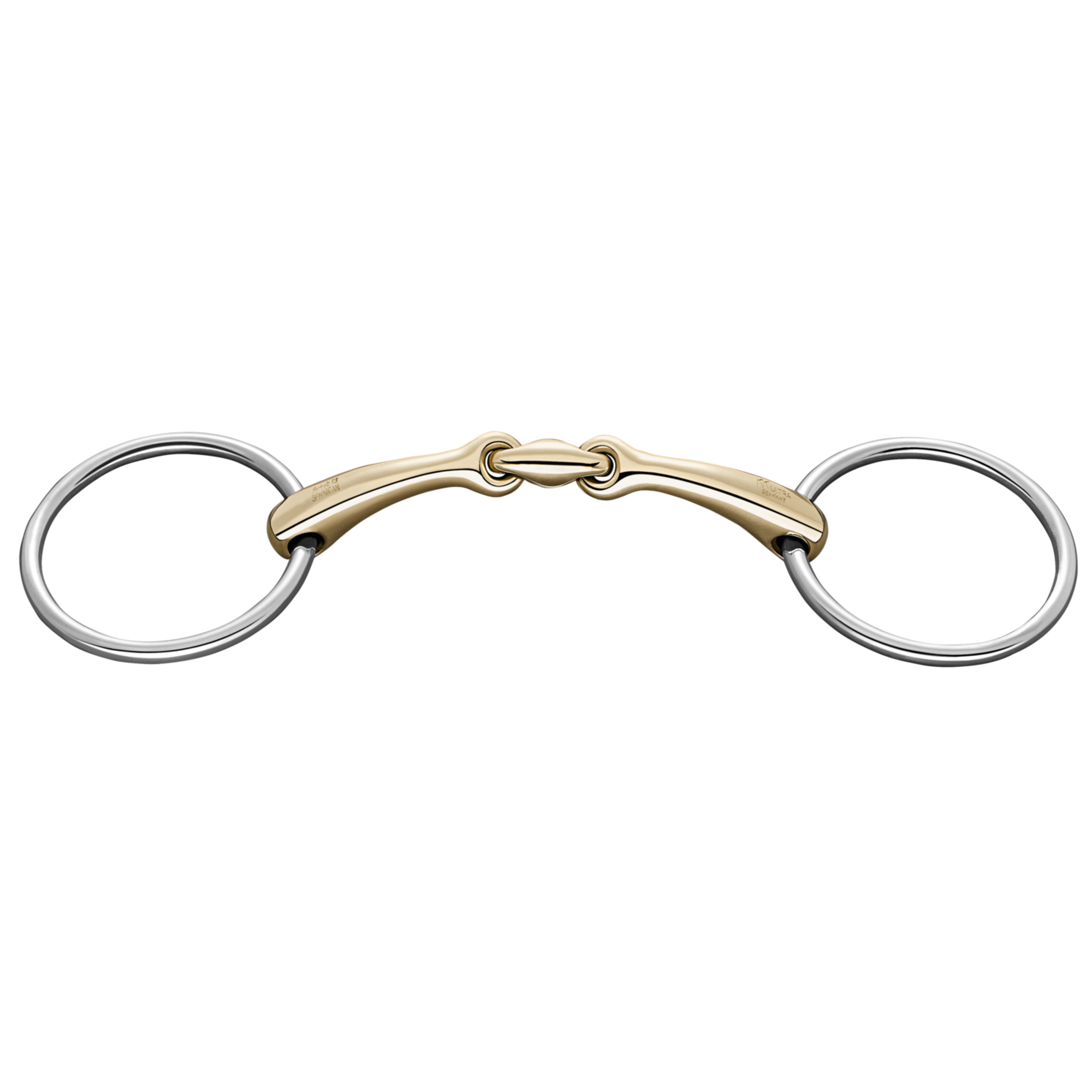
För vattenbett med rörliga ringar bör avståndet mellan bettets ringhål och munvinkeln vara högst 3 till 5 millimeter på varje sida. Båda ringarna måste kunna rotera fritt utan att klämma fast mungipan. Bett med fasta sidodelarna, såsom olivhuvudbett eller D-ringbett, bör däremot ligga direkt mot mungipan för att på bästa sätt kunna garantera sin sidobegränsande effekt. Se särskilt till att mungipan inte kläms fast hos hästar med utpräglade läppar
Praktiskt tips: Kontrollera tandbredden
Ställ dig framför ditt uppspända häst och dra försiktigt isär bettringarna. På så sätt kan du se om bettet ligger mitt i munnen och om avståndet till munvinklarna är korrekt. Alternativt kan du använda vår bettbreddsmätare för att bestämma den optimala storleken.
Varför vi inte erbjuder mellanstorlekar
Mellan de flesta tandställningsstorlekarna finns det en centimeters skillnad i bredd – vilket motsvarar 5 millimeter per sida. Om vi skulle erbjuda mellanstorlekar skulle skillnaden endast vara 2,5 millimeter per sida. Denna minimala skillnad ligger inom den naturliga toleransen som finns för tandställningsbredden.
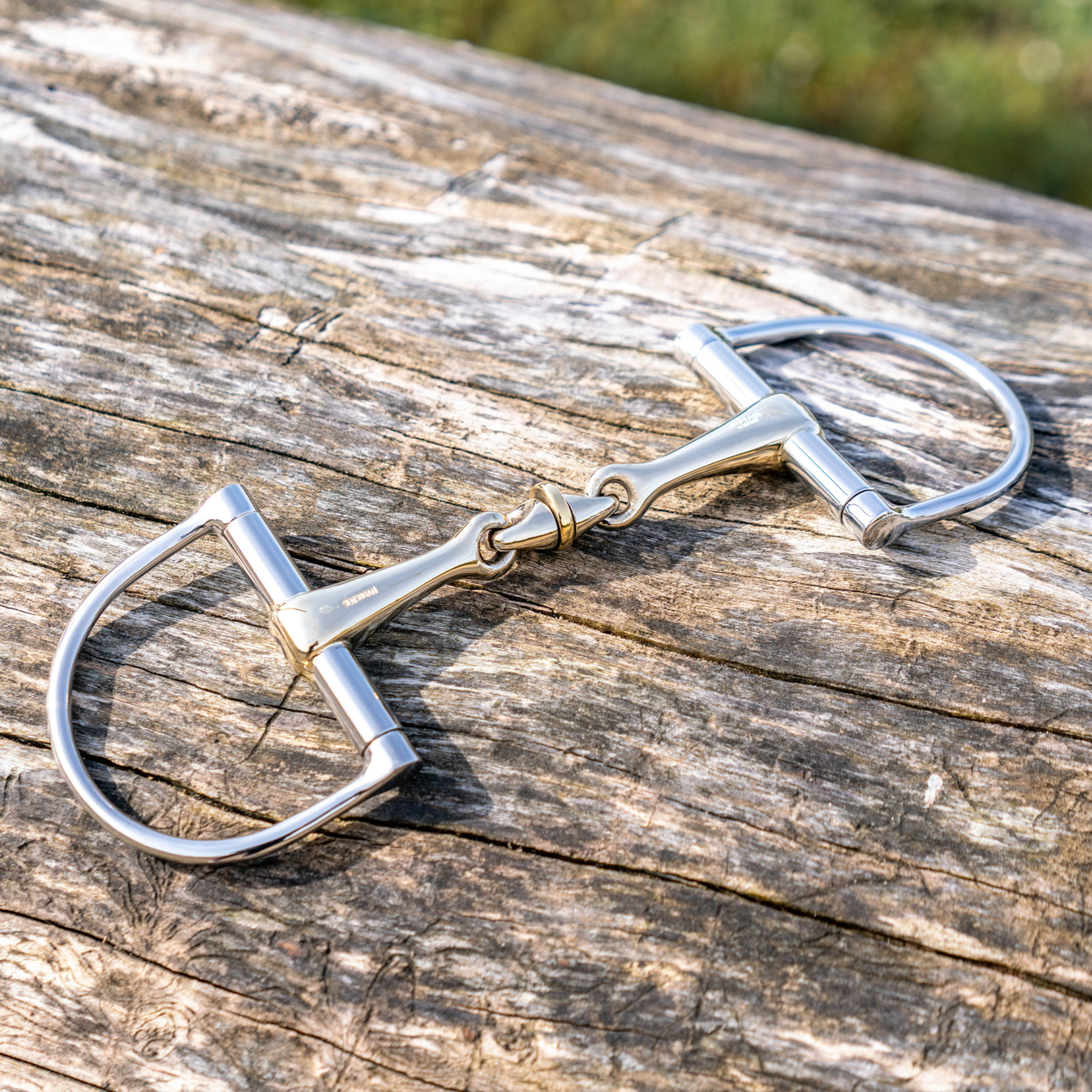
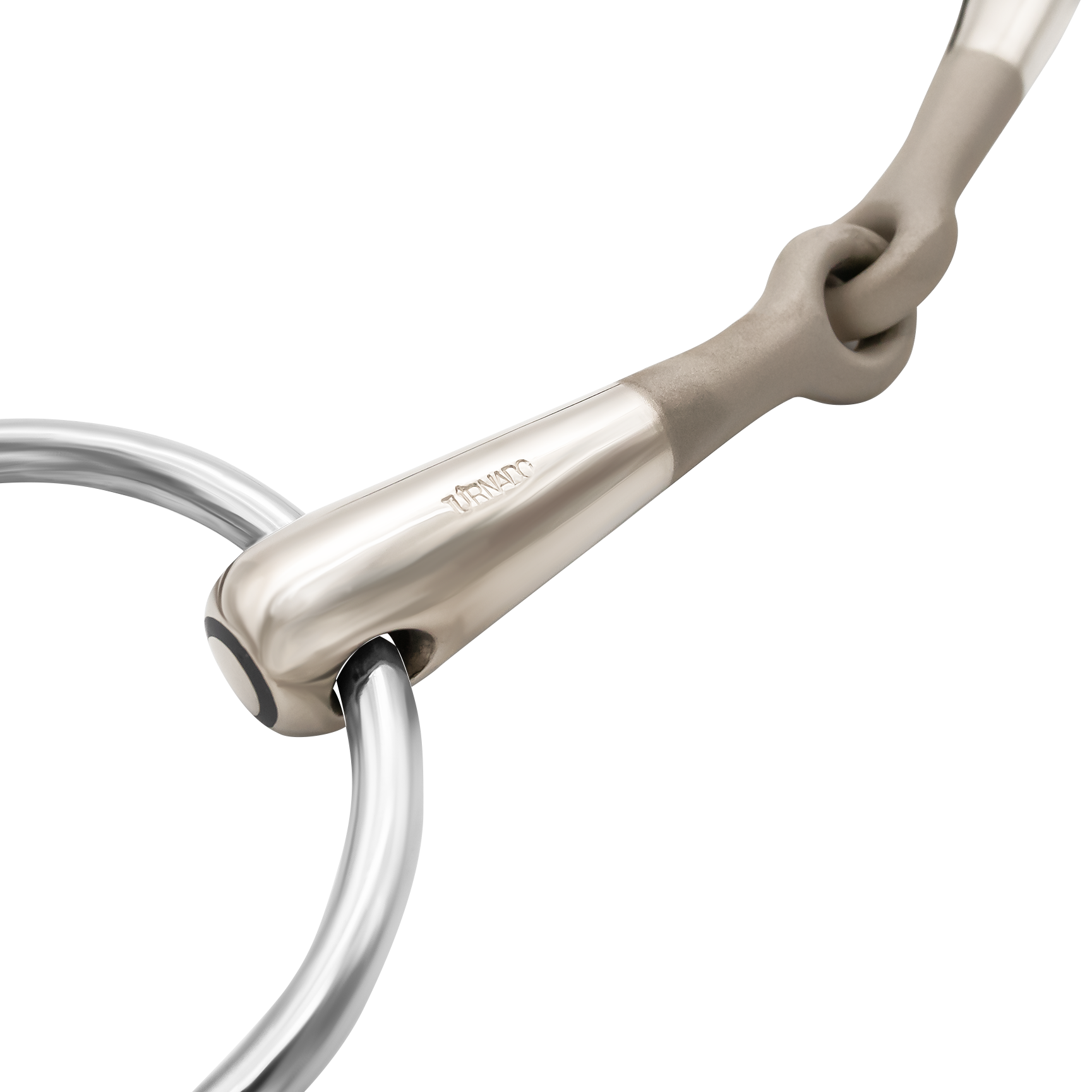
Rätt material för ett bra tandställning
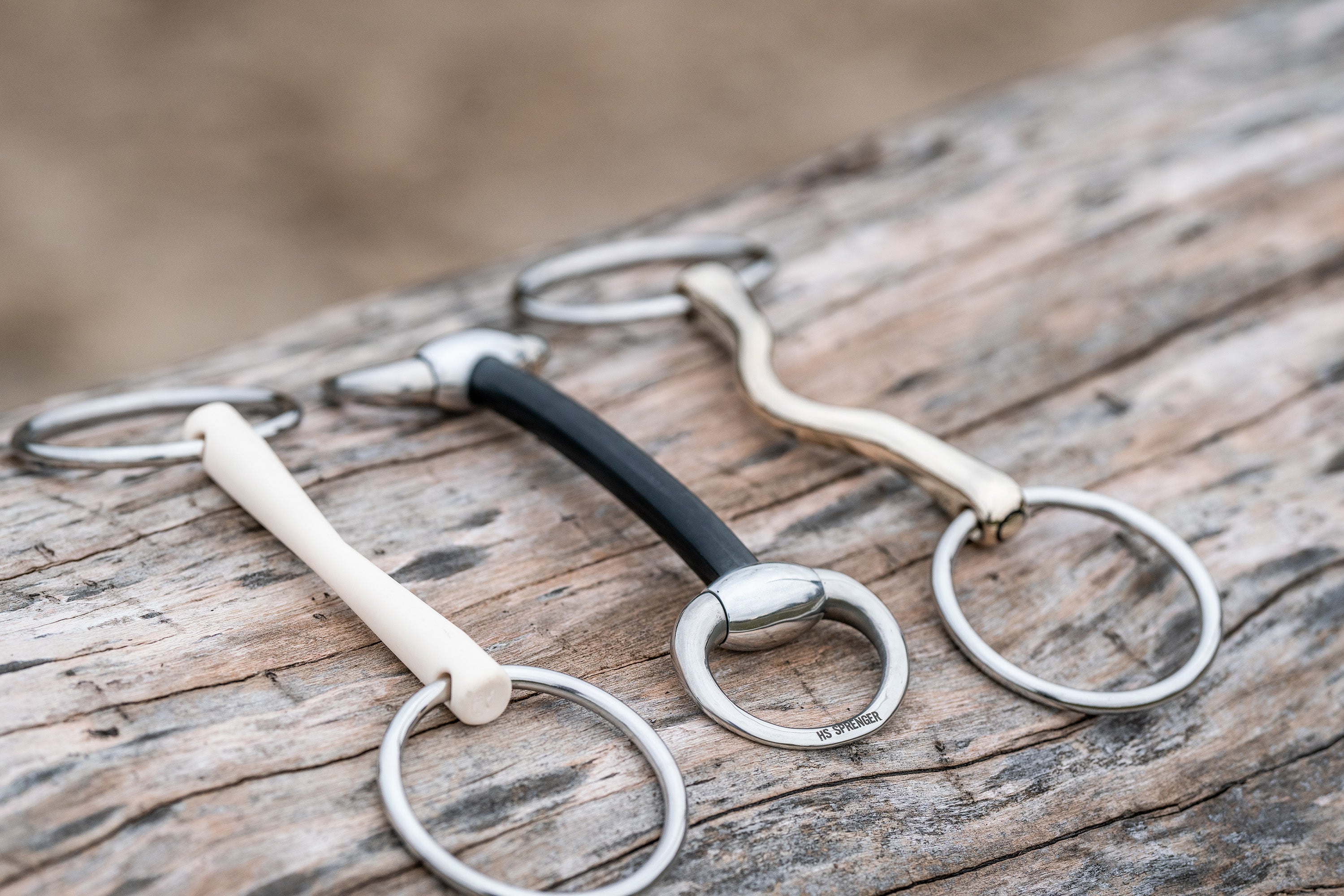
Bettmaterialet spelar en avgörande roll för acceptansen och komforten i hästens mun. Olika material har olika egenskaper och passar olika typer av hästar.
Rostfritt stålbett – instegsmodellerna
Stainless steel remains the classic material for a horse bit. This easy-care, robust material is tasteless and odorless and has no positive effects on the horse's chewing behavior. SPRENGER Satinox bits represent the entry-level range and are available in a variety of mouthpieces and side pieces.
SENSOGAN-bett – den innovativa legeringen
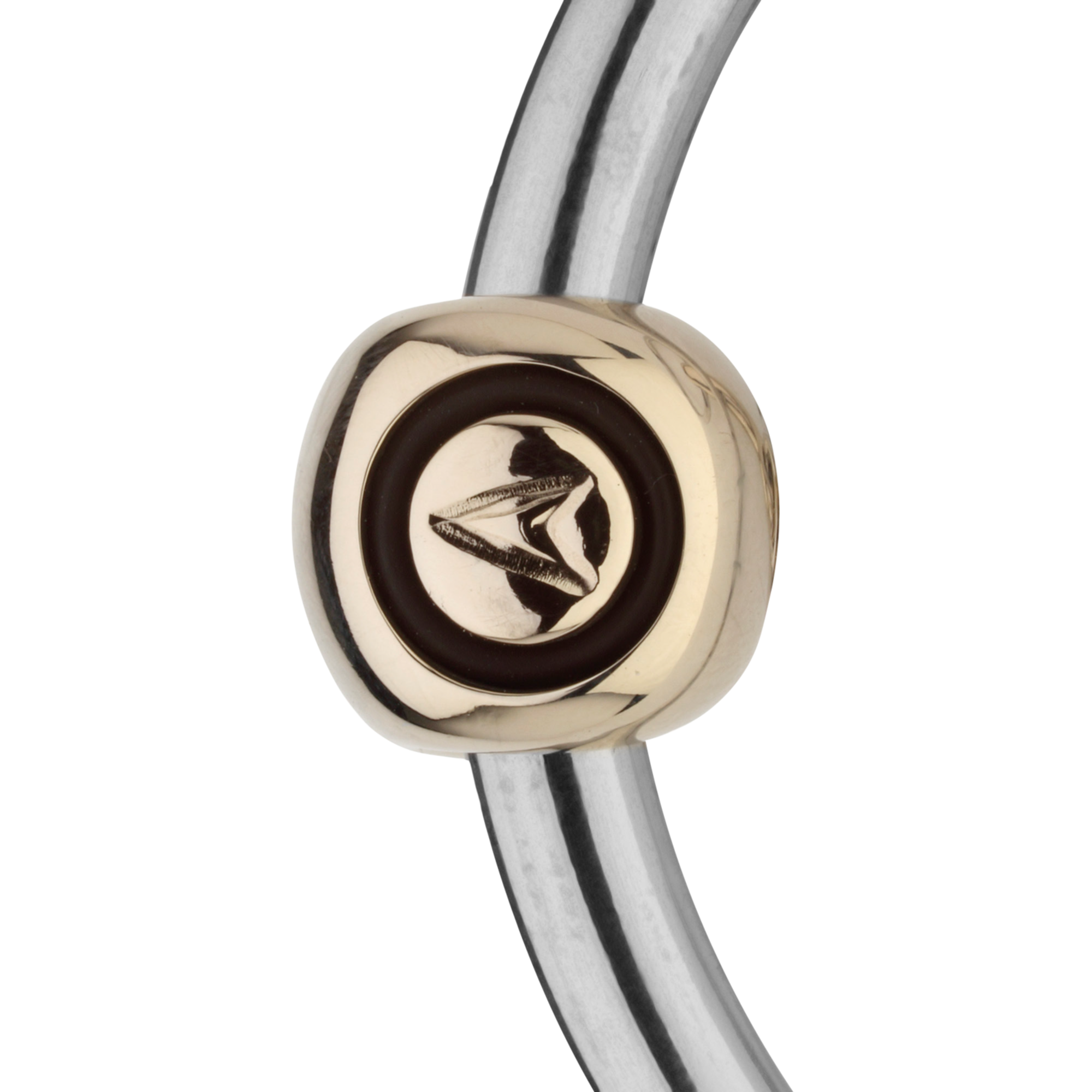
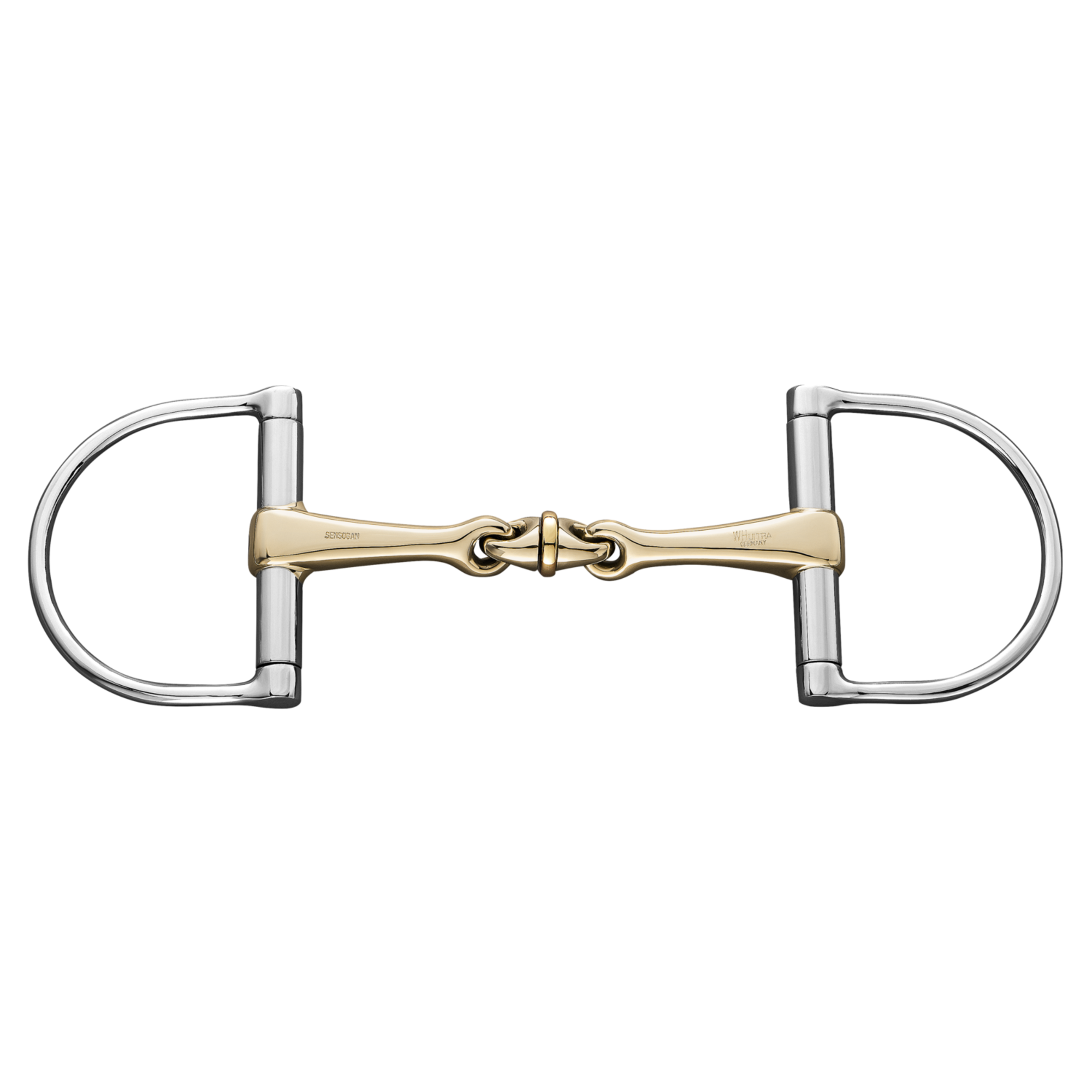
Våra SENSOGAN-bett består av en speciell legering av koppar, mangan och zink. Denna materialkombination är nickelfri och särskilt väl tolererad. Materialblandningen främjar specifikt ditt hästs tuggaktivitet och salivproduktion. Manganet i legeringen reglerar kopparutsläppet så att oxidationsprocessen sker doserat. Dessutom spelar mangan en viktig roll i muskel- och energimetabolismen och kan ha en positiv effekt på stressreducering. Genom att bryta ner histamin kan spårämnet mangan förebygga allergiska reaktioner.
NATHE-bett – det skonsamma alternativet
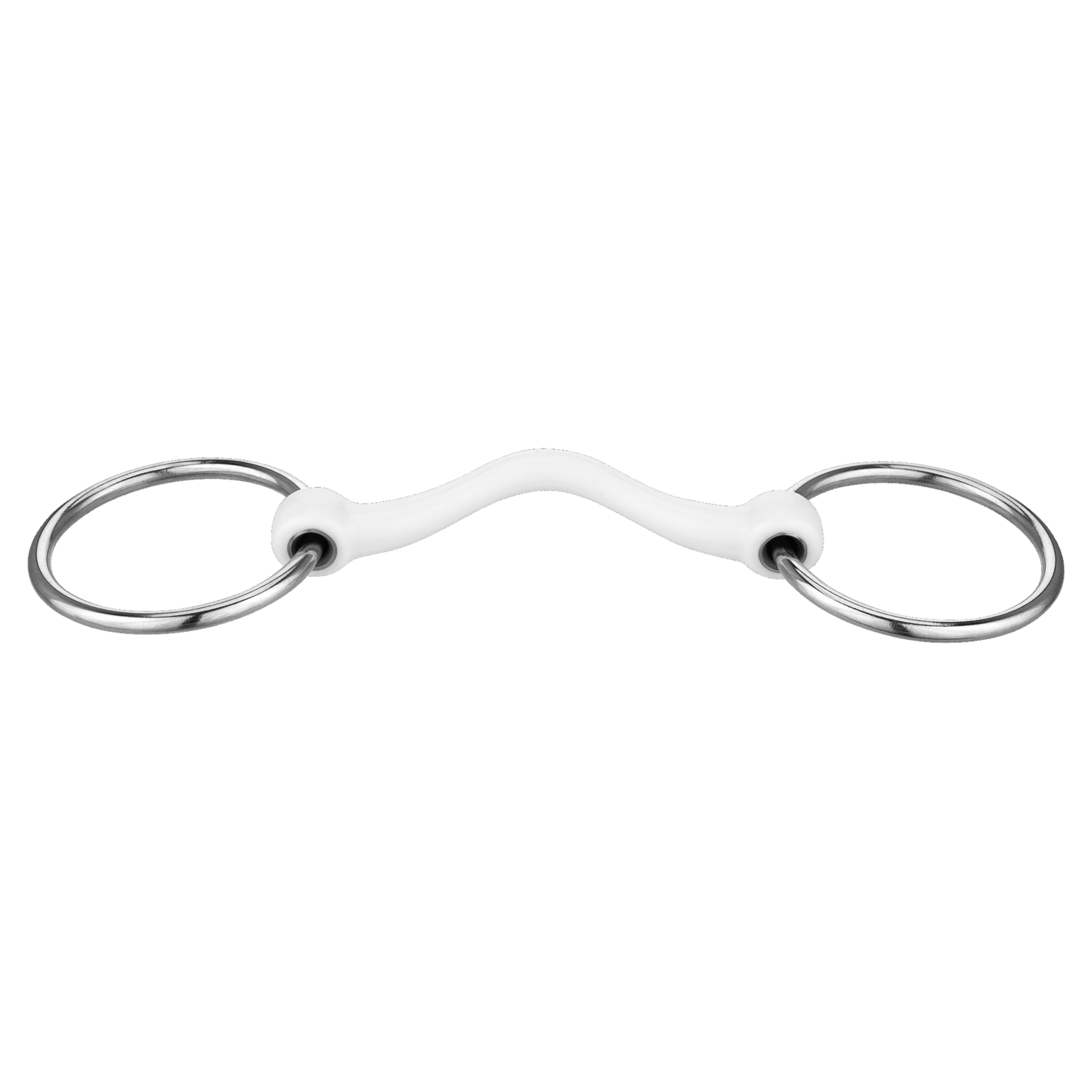
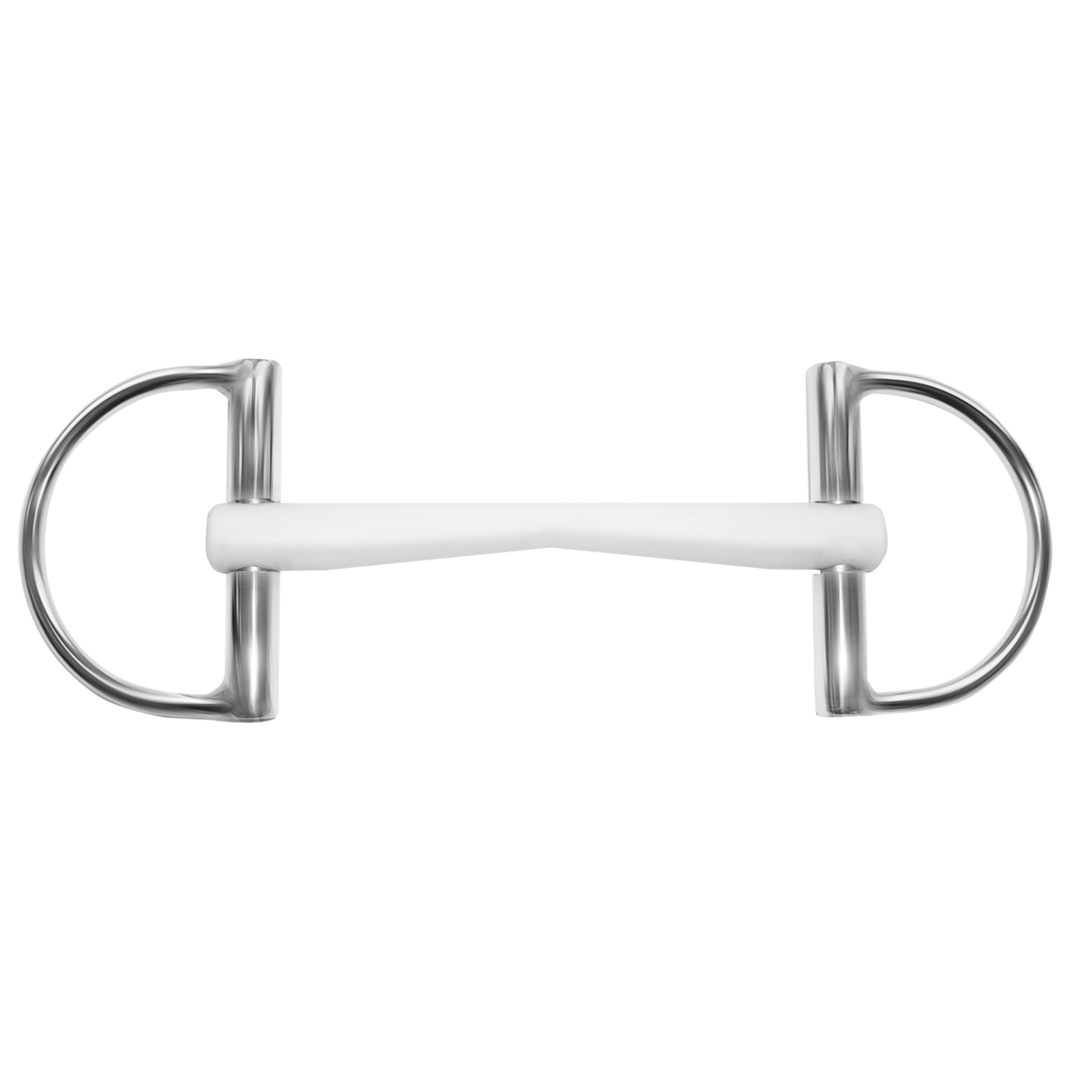
Våra NATHE-bett av termoplast är särskilt lämpliga för känsliga hästar eller hästar som föredrar plastbett. Till skillnad från gummi har termoplast en slät yta och förhindrar därmed en obehaglig radergummieffekt. Materialet är formstabilt, livsmedelsgodkänt och fritt från mjukgörare och lösningsmedel. På grund av materialets egenskaper är NATHE-bettmärken mer känsliga för tandmärken. Se därför till att bettmärket inte kommer i kontakt med tänderna och byt ut det vid tydliga tecken på slitage.
Gummibett
Om du använder ett gummibett bör ditt häst ha tillräckligt med saliv. Om saliven är för lite uppstår snabbt en obehaglig känsla på grund av friktionen, vilket till och med kan leda till skador. Denna effekt kallas även för ”radergummi-effekten”.
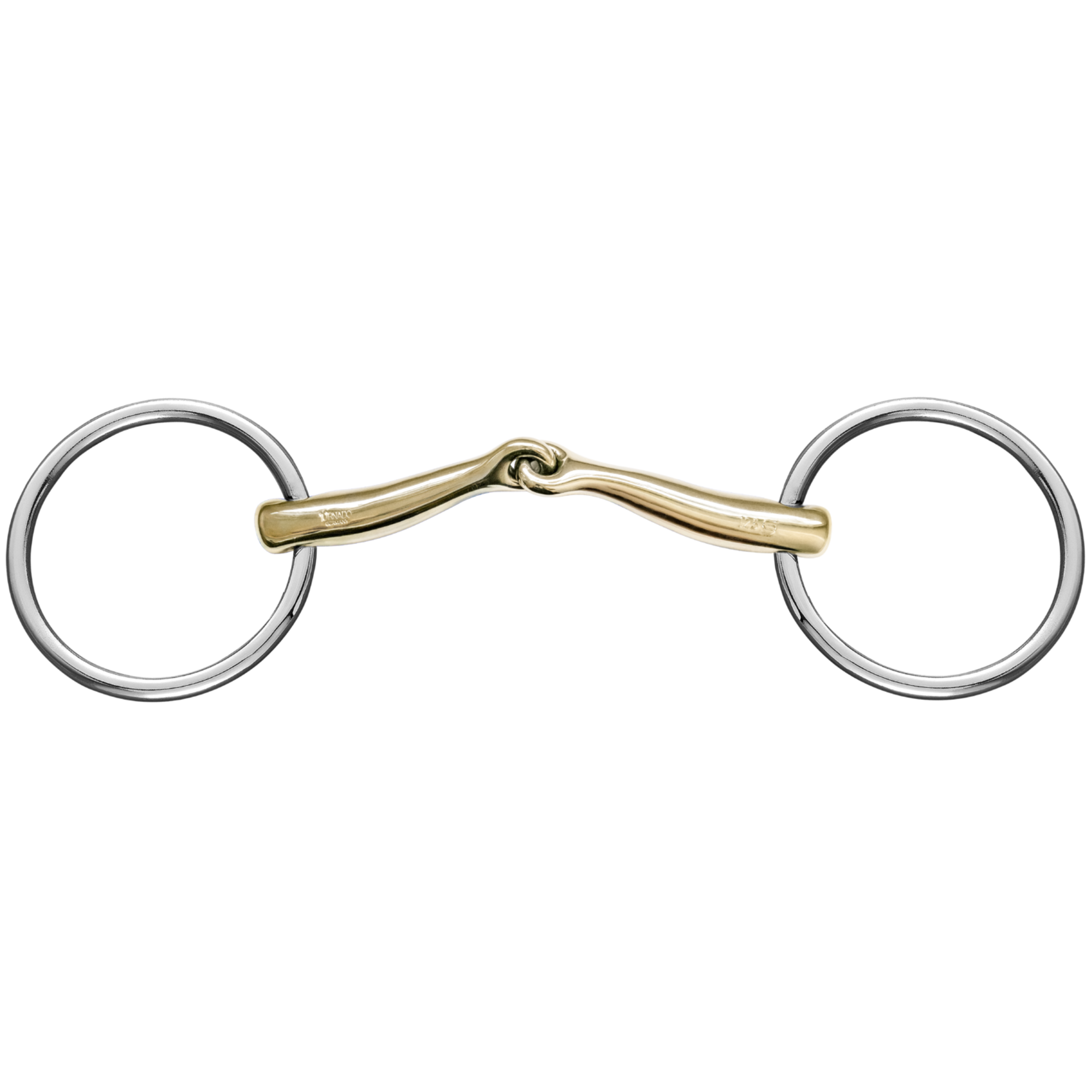
Välj optimal tandstyrka
Tidigare gällde regeln ”ju tjockare bett, desto mjukare effekt”. Men modern hästuppfödning ger allt finare och mindre munnar, för vilka tjockare bett ofta är för voluminösa och trycker mot gommen eller på läpparna. De vanligaste betttjocklekarna ligger idag mellan 14 och 16 millimeter.
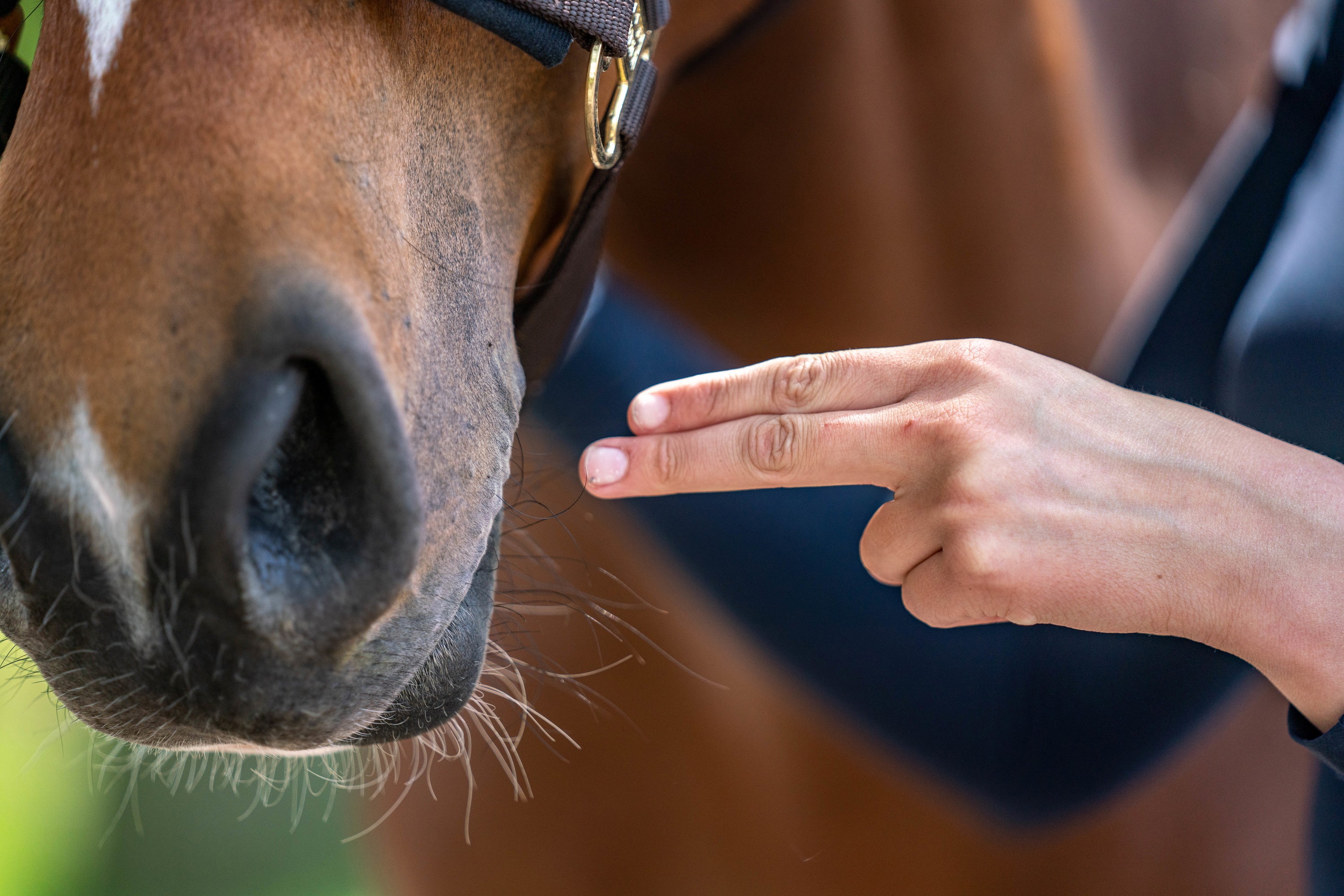
2-fingertestet
Med detta enkla test kan du ta reda på hur mycket utrymme det finns i hästens mun för bettet:
1. Lägg två fingrar ovanpå varandra på den plats i munnen där bettet senare ska sitta.
2. Låt din häst stänga framtänderna.
3. Om du känner tryck på båda fingrarna bör bettet vara maximalt 16 millimeter tjockt.
4. Om du inte känner något tryck kan du välja ett tjockare bett.
Du kan också titta in i hästens mun när bettet redan är fastspänt och kontrollera hur mycket utrymme det nuvarande bettet tar upp. Se till att bettet inte kommer i kontakt med framtänderna eller hästtanden och att det finns minst en fingerbredd utrymme till den första kindtanden
Checklista: Hur känner du igen ett passande tandställning?
Du känner igen en perfekt sittande och korrekt fastspänd tandprotes på följande egenskaper:
✓ Ditt häst verkar nöjd och avslappnad.
✓ Avståndet mellan bettets ringhål och munvinkeln är maximalt 3 till 5 millimeter.
✓ Tränset kan lätt dras över öronen, kindstycket sitter fast utan att skaka när du tar upp tyglarna
✓ Bettet kommer inte i kontakt med framtänderna/hästtänderna
✓ Det finns minst en fingerbredd utrymme till den första kindtanden
✓ Dina tryckmärken eller rodnader i gommen eller på tungan
✓ Munvinklarna är oskadda både inuti och utanpå.
✓ Ditt häst närmar sig ryttarens hand med tillit.
✓ Trälhjälpmedel tas emot fint och ditt häst tuggar nöjt.
✓ Slapp överlinje och avslappnade käkmuskler.
Professionell rådgivning om bett: Så förbereder du dig på bästa sätt
Om du är osäker på vilket bett som är rätt för din häst hjälper vi dig gärna med vår professionella rådgivning om bett. För att vi ska kunna ge dig bästa möjliga råd behöver vi lite information om din häst och den aktuella situationen.
Information om det aktuella bettet
Information om ditt aktuella bete: Titta noga på vilket bete du använder för närvarande. Ta ett foto av det eller anteckna de exakta uppgifterna (tillverkare, munstycksform, sidodel, bredd, styrka, material). På så sätt kan vi bättre bedöma vad du rider med för närvarande och var det finns potential för optimering.
Kontrollera bettets fastspänning
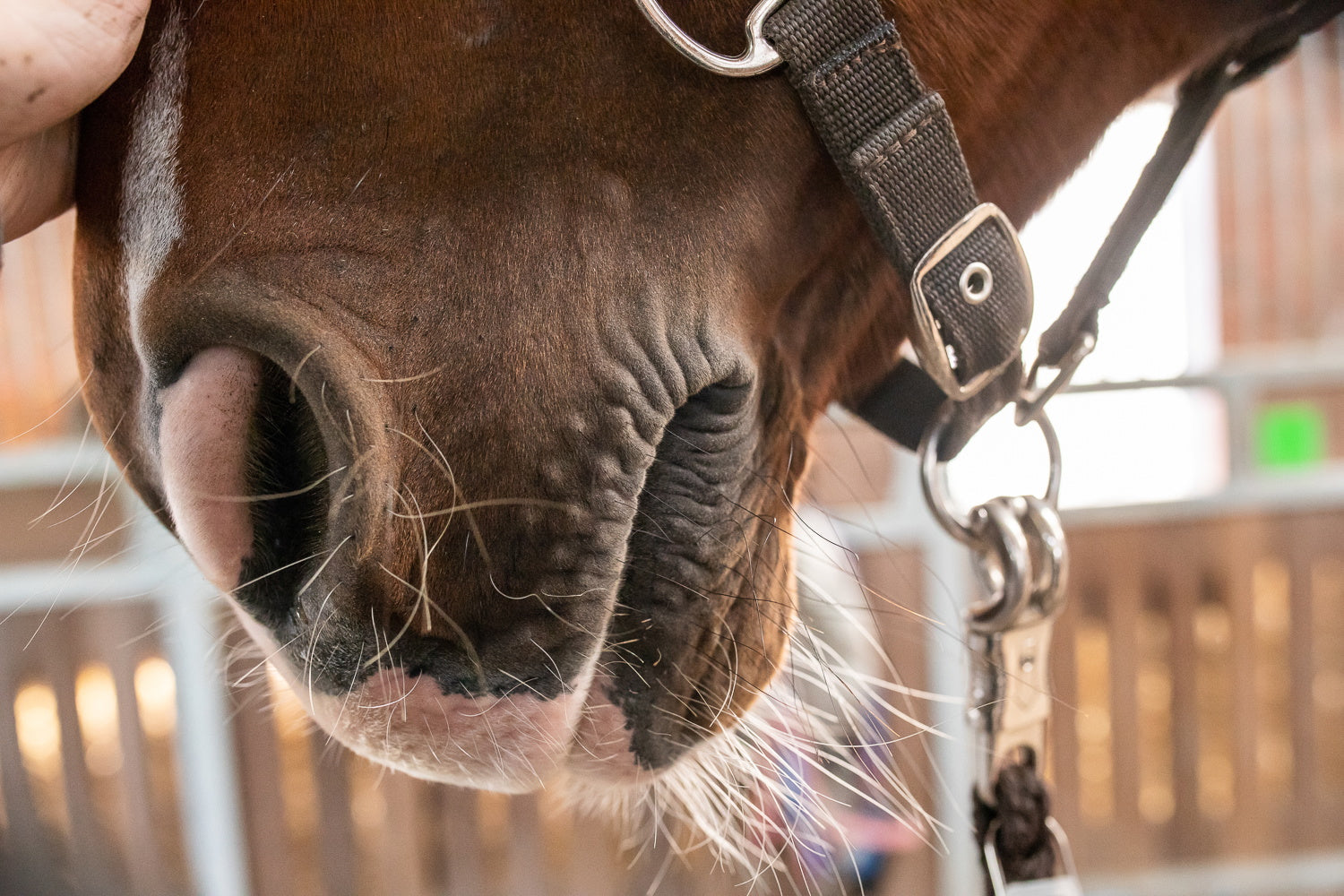
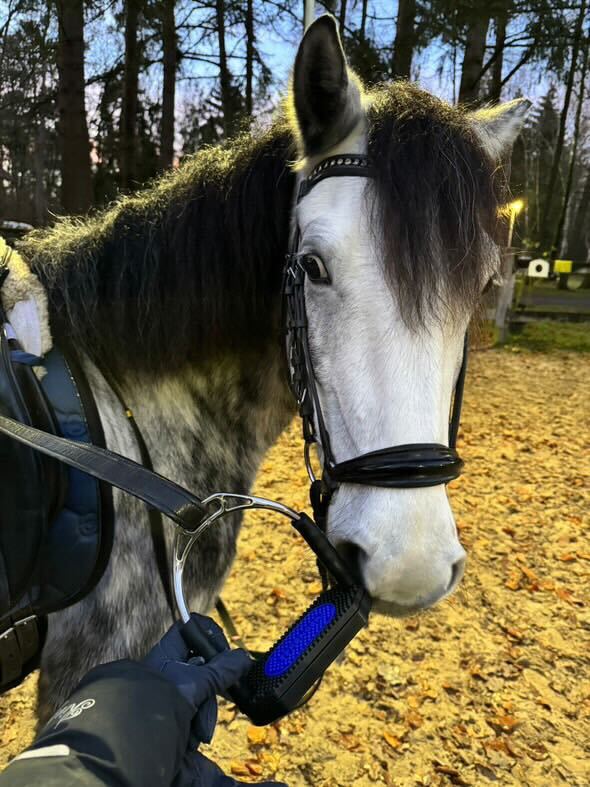
Fotografera bettet i hästens mun: För att kunna bedöma bettets bredd och fastspänning är det mycket hjälpsamt om du fotograferar bettet i hästens mun eller till och med spelar in en kort video runt omkring det. Särskilt hjälpsamt är ett bild från sidan av det mest öppna hästen med slaka tyglar och en där du tar upp tyglarna mot manken. På så sätt kan vi tillsammans kontrollera om bettets bredd passar och om fastspänningen är korrekt.
Identifiera anatomiska särdrag i hästens mun
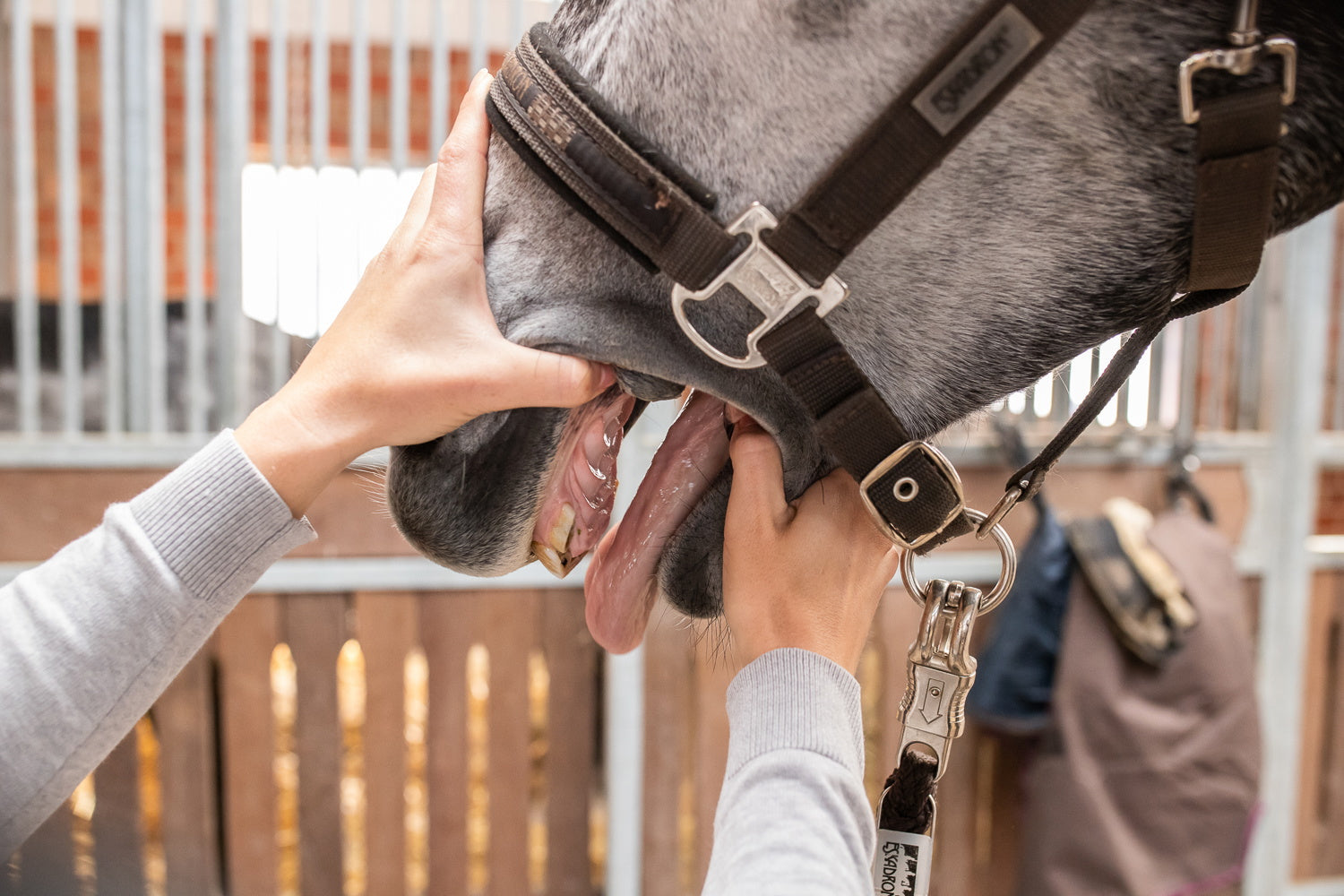
Titta in i hästens mun: Titta noga på din hästs mun. Ta gärna bilder eller en video av tungan så att vi kan bedöma om den är tjock eller tunn. Känn också efter om gommen är starkt välvd eller platt och hur uttalad underkäken är. Dessa anatomiska särdrag är viktiga för att välja rätt bett
Beskriv beteende och ridstil
Beskriv problemet: Förklara vilka utmaningar du upplever när du rider. Visar ditt häst vissa beteenden som att slå med huvudet, ha öppen mun eller vara motsträvig? Ju mer detaljerat du beskriver situationen, desto mer målinriktad rådgivning kan vi ge dig. Information om ridstil: Berätta för oss vilken disciplin du utövar (dressyr, hoppning, fälttävlan, fritidsridning) och vilken utbildningsnivå ditt häst har. Även din egen ridvana är relevant för valet av bett
Begär tandprotesrådgivning nu
Med denna information kan vi ge dig en välgrundad och individuell rekommendation. Fyll bara i vårt tandvårdsformulär och ladda upp relevanta foton eller videor. Våra experter kommer att kontakta dig inom kort med en personlig rekommendation. Vänligen ha förståelse för att vi endast svarar på fullständigt ifyllda formulär.endast svarar
Ytterligare information
Vill du lära dig mer om bett? I våra andra blogginlägg hittar du detaljerad information:
Munstycksformer: Lär dig mer om skillnaderna mellan enkelbrytade, dubbelbrytade bett och stångbett i våra blogginlägg.
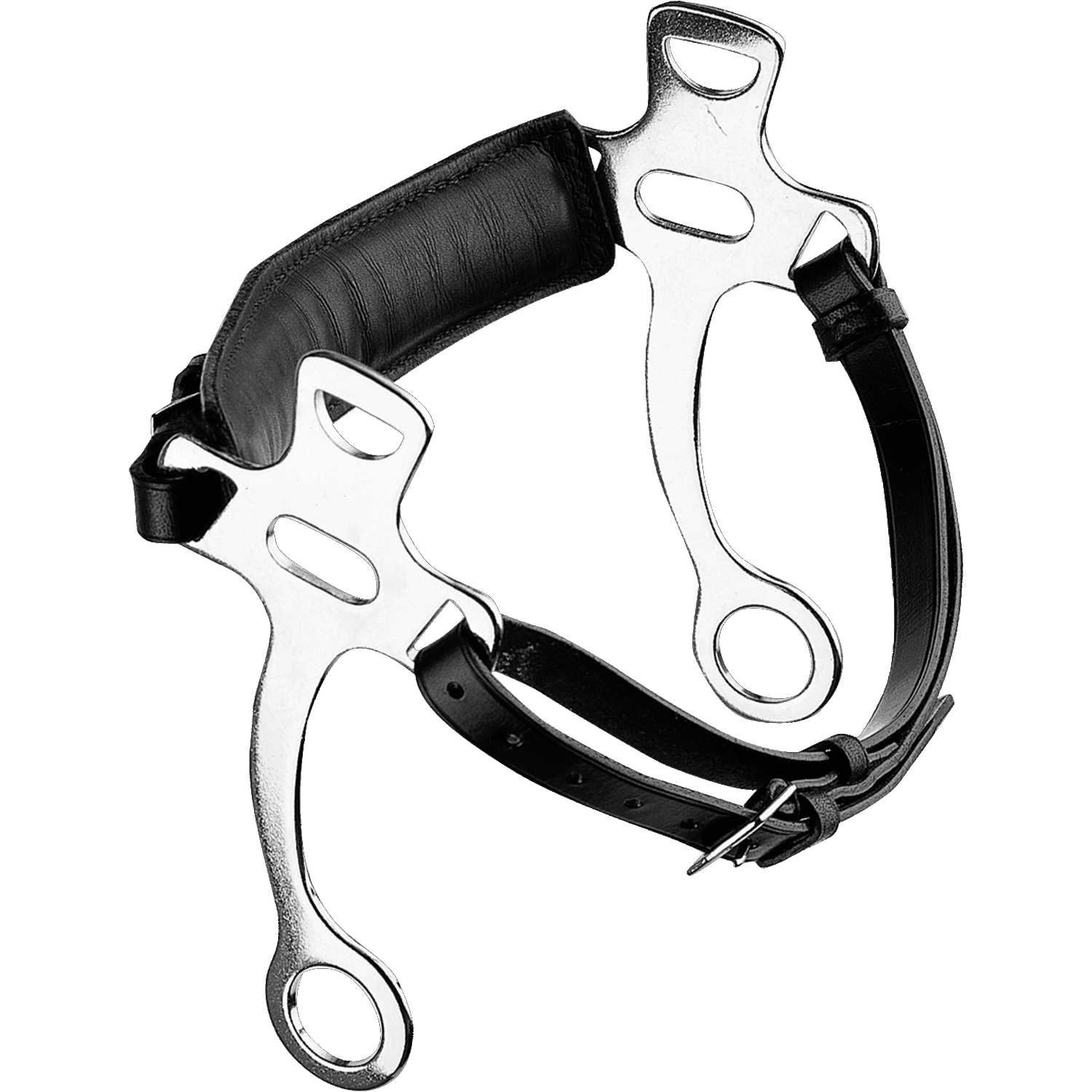
Sidostycken: Vilket sidostycke passar för vilket ändamål? När är ett bett med hävstångseffekt, som ett 3-ringsbett eller Pelham, lämpligt? Det kan du läsa om i vår artikel: Vilket sidostycke ska jag välja
Material i detalj: En omfattande översikt över alla bettmaterial och deras egenskaper hittar du i inlägget SPRENGER förklarar bettmaterial