

Filters
Your cart
Gift removed — want it back?
FREE
You can re-add your free gift any time.
Subtotal
0,00 €
Total
5,99 €
Language
Bestsellers
Bestsellers
Filters
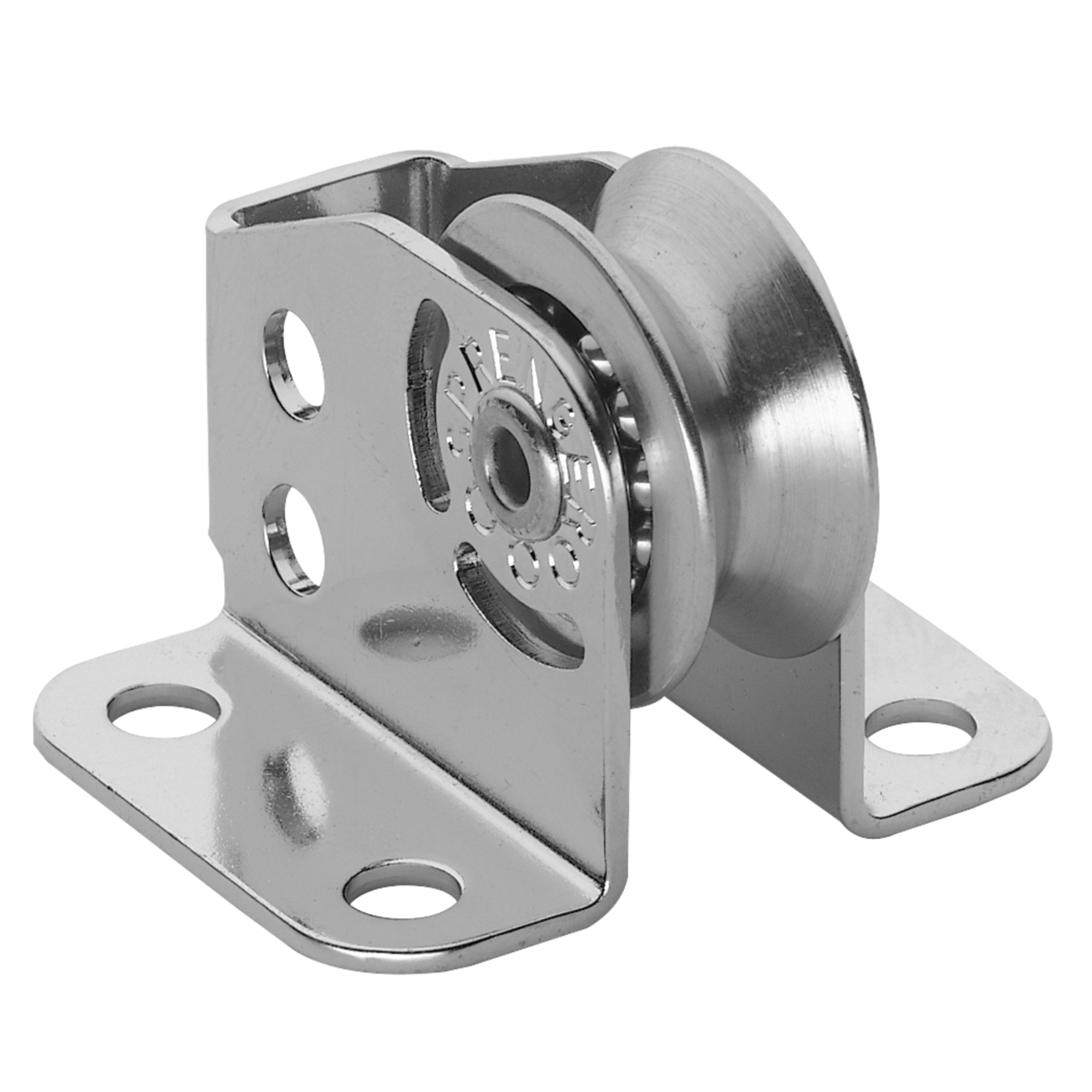
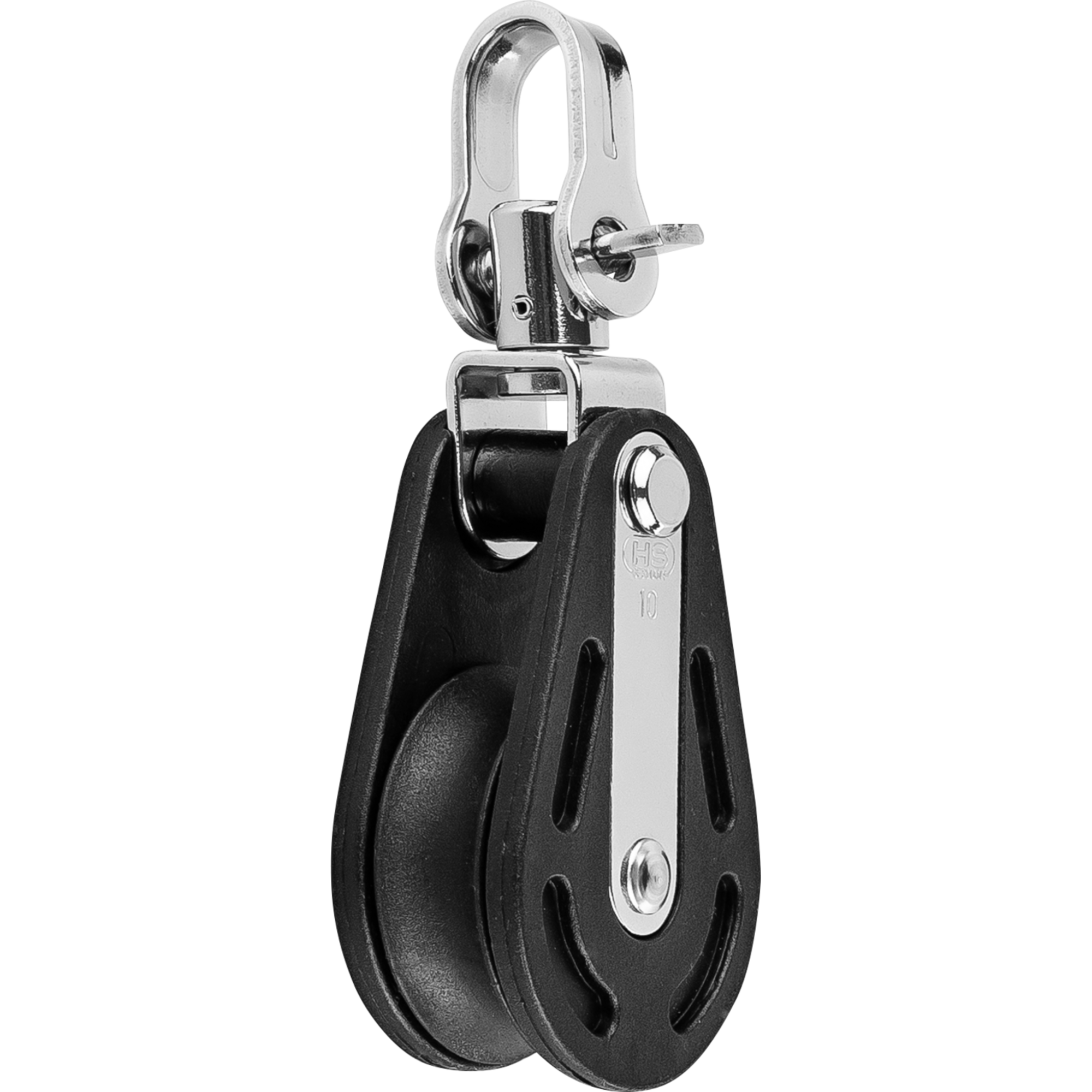
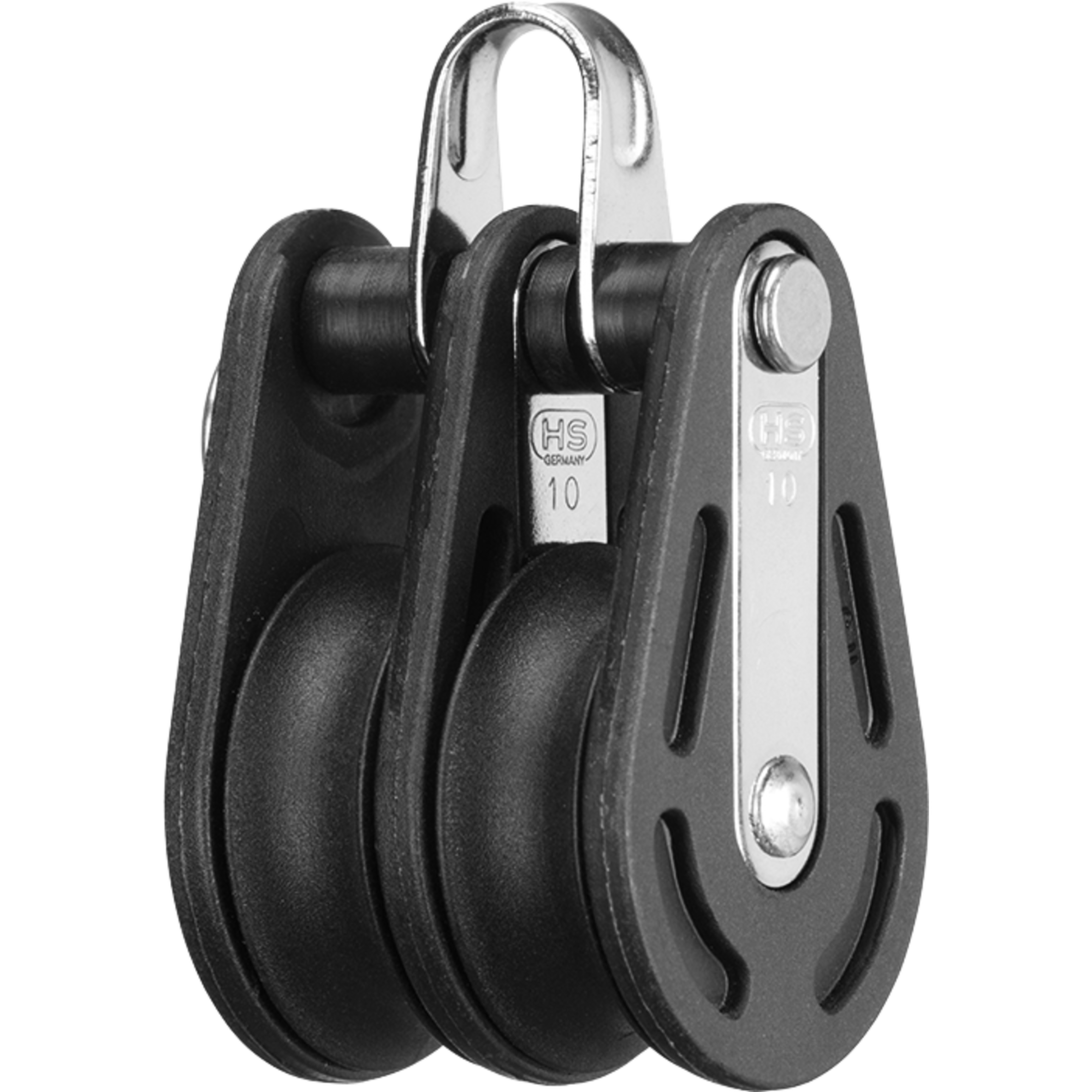
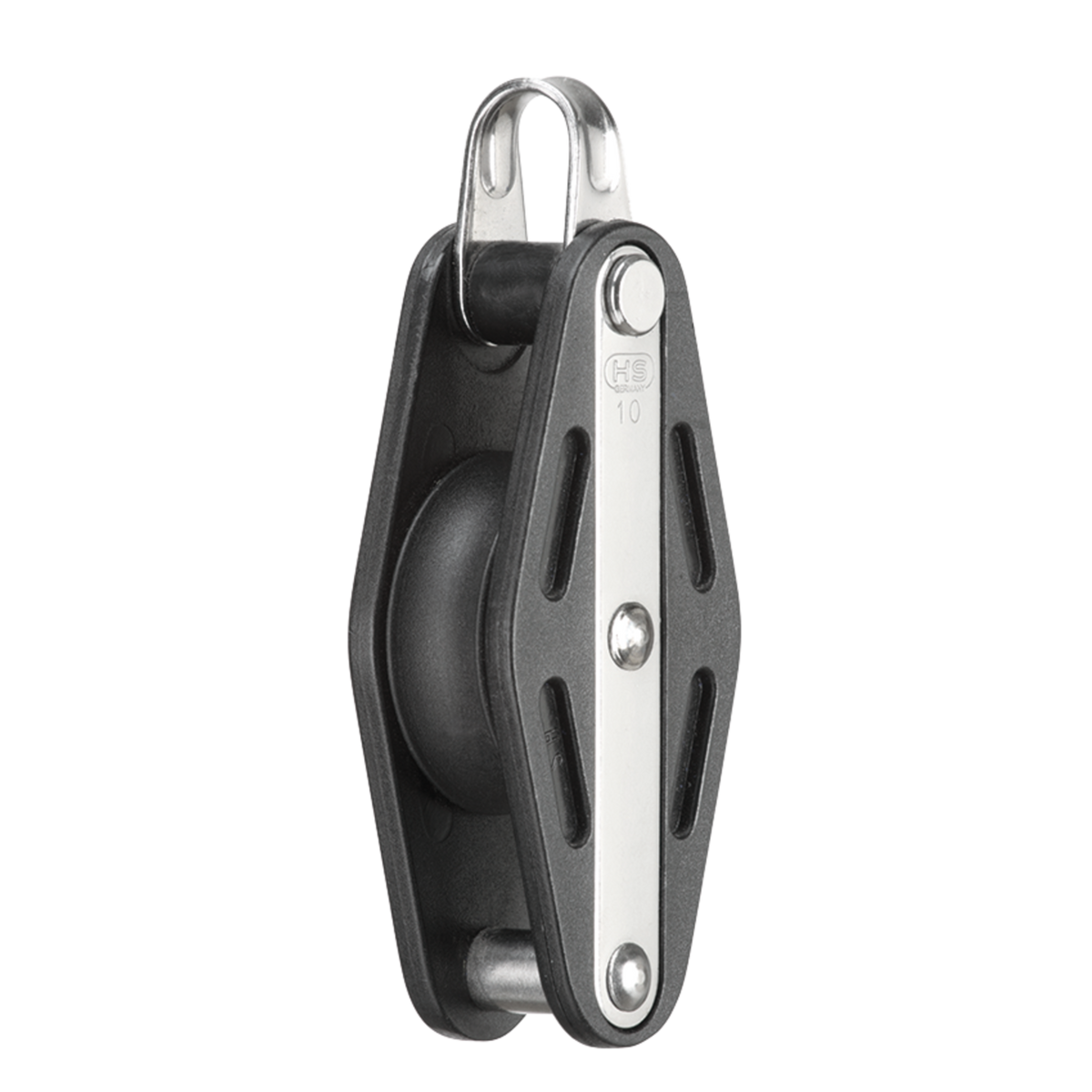
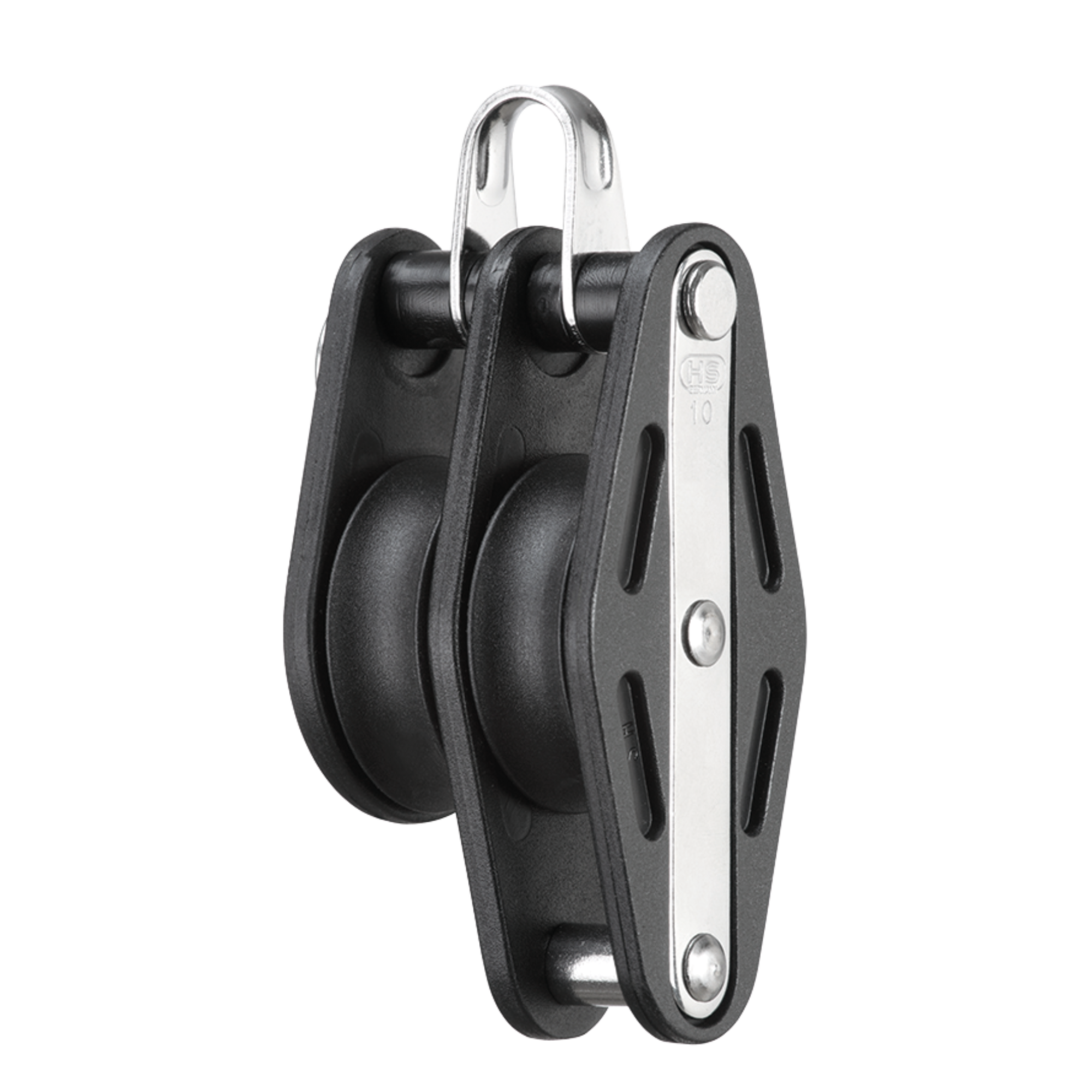
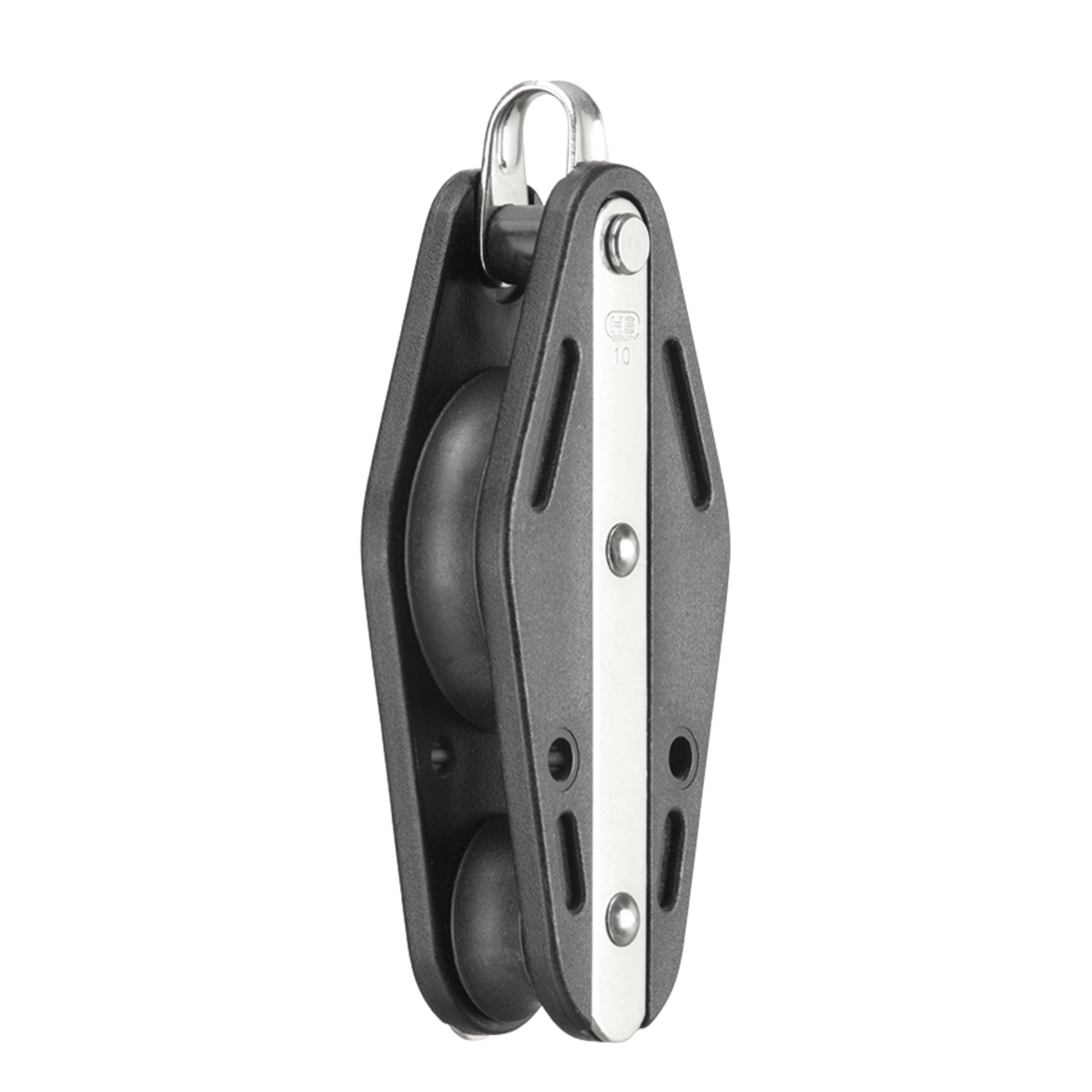
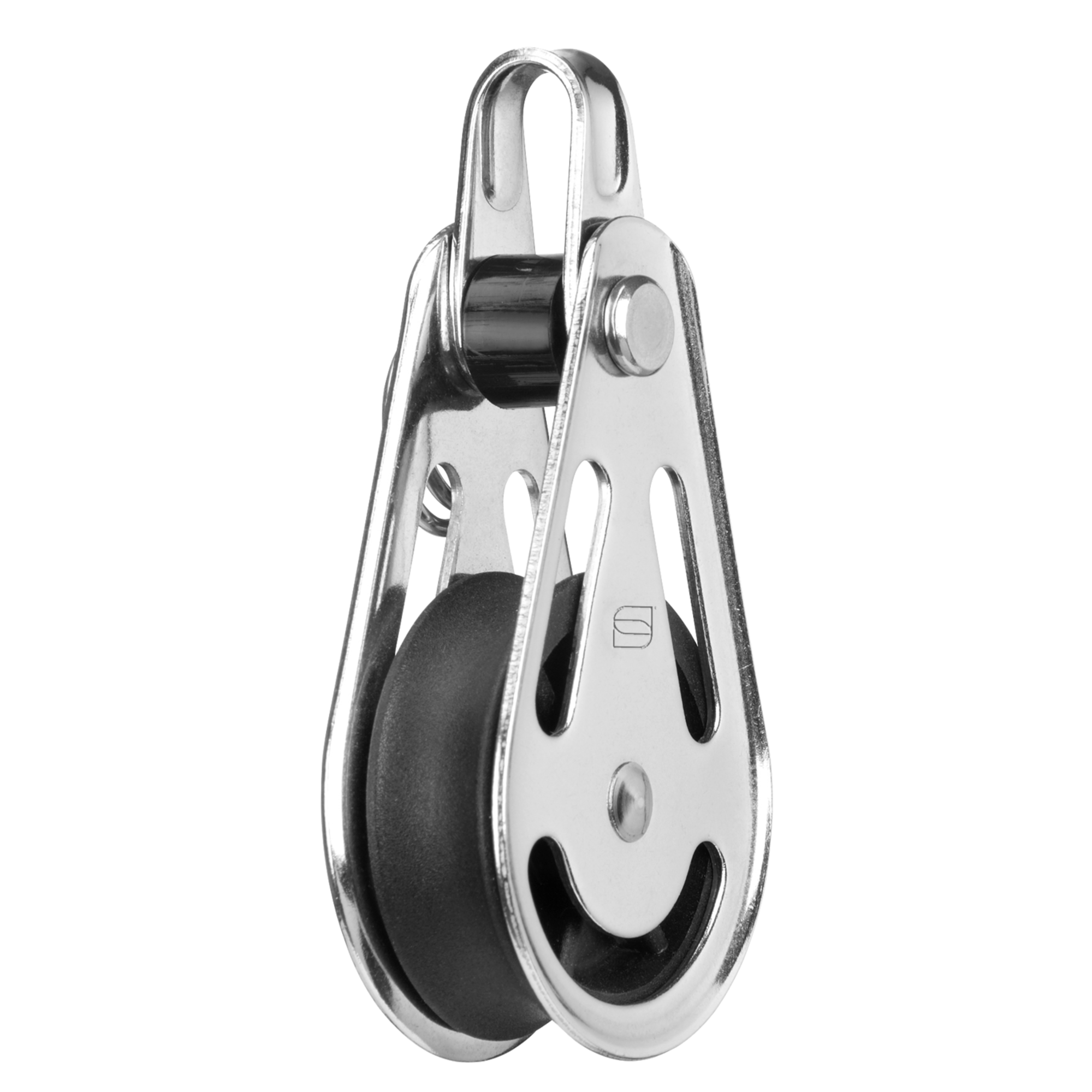
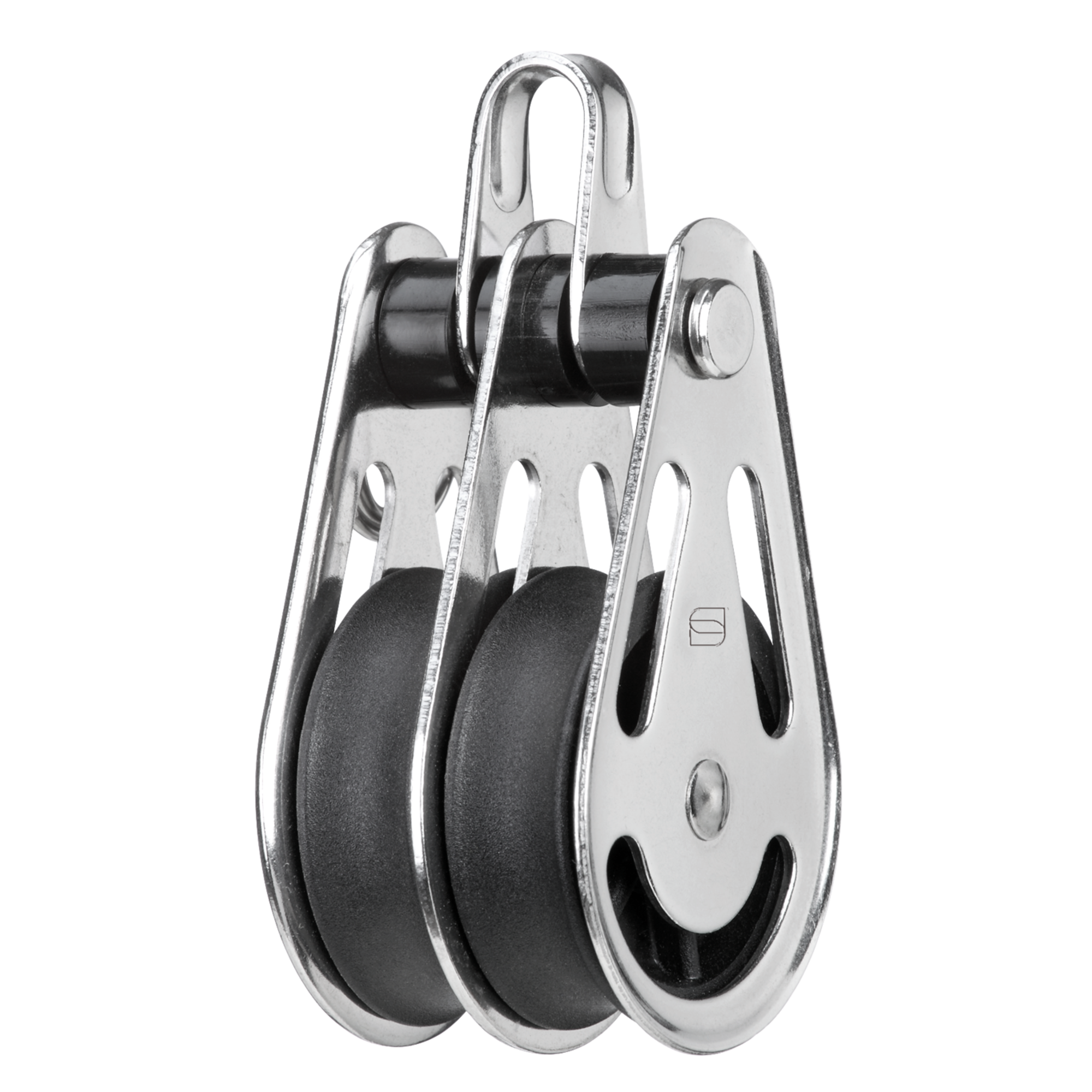
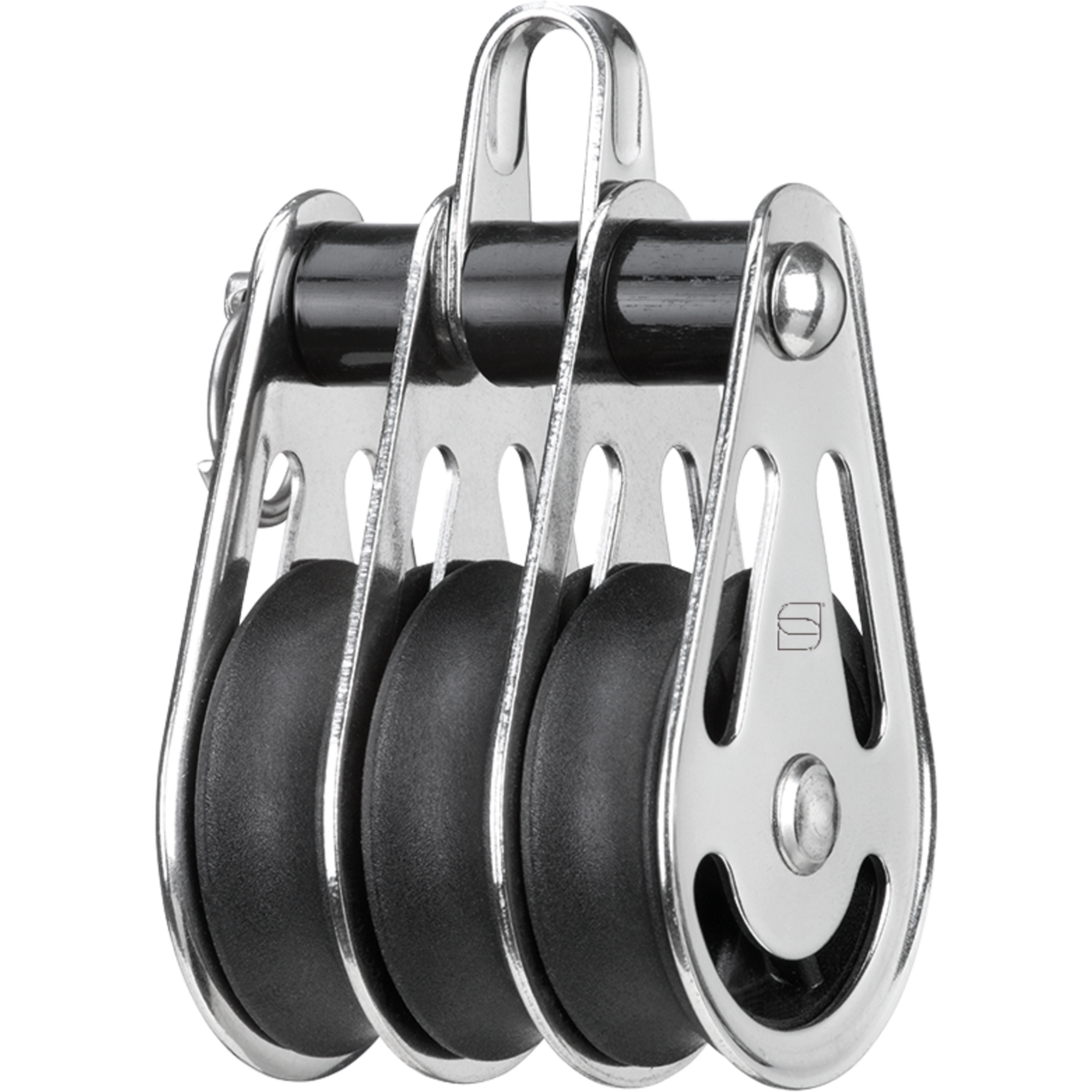
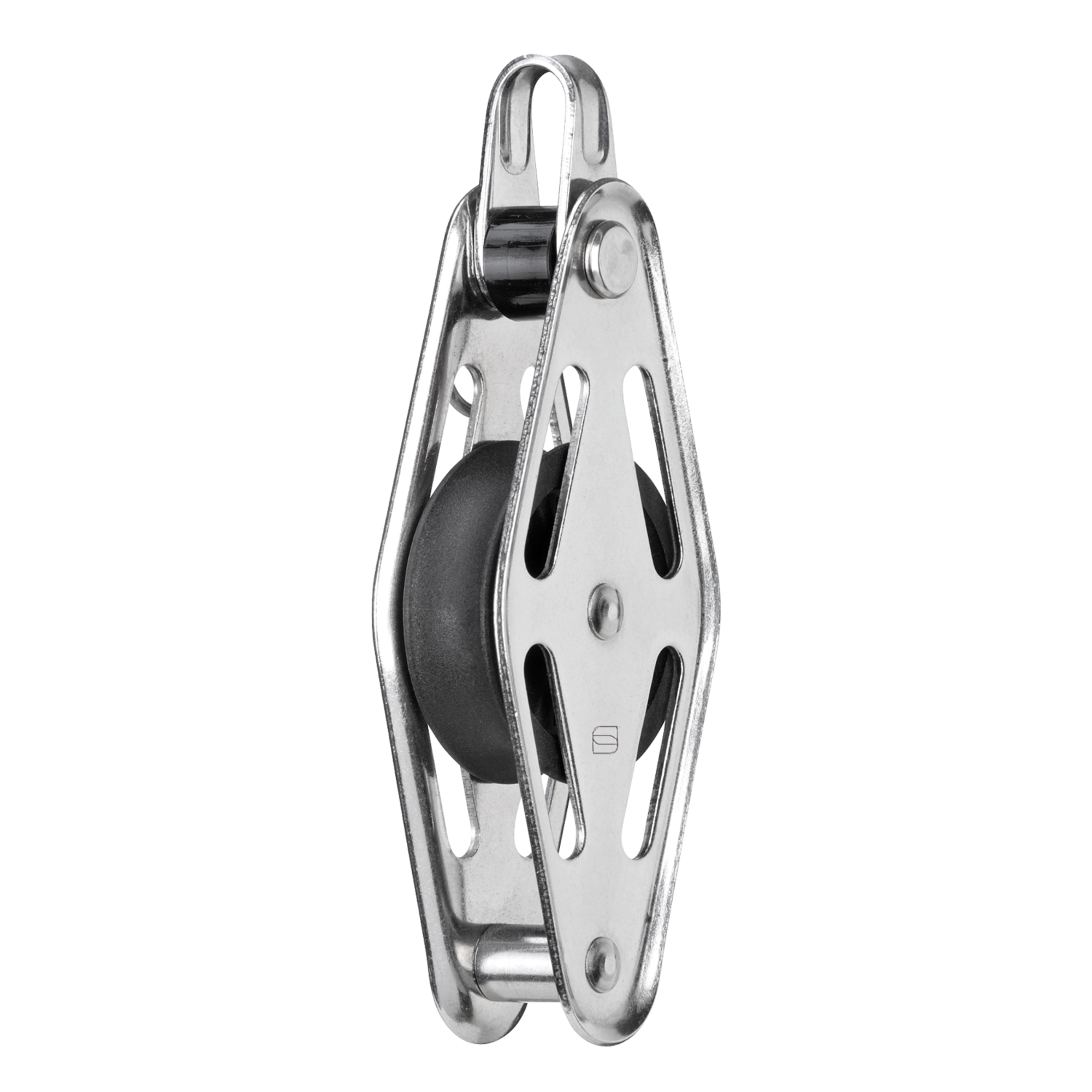
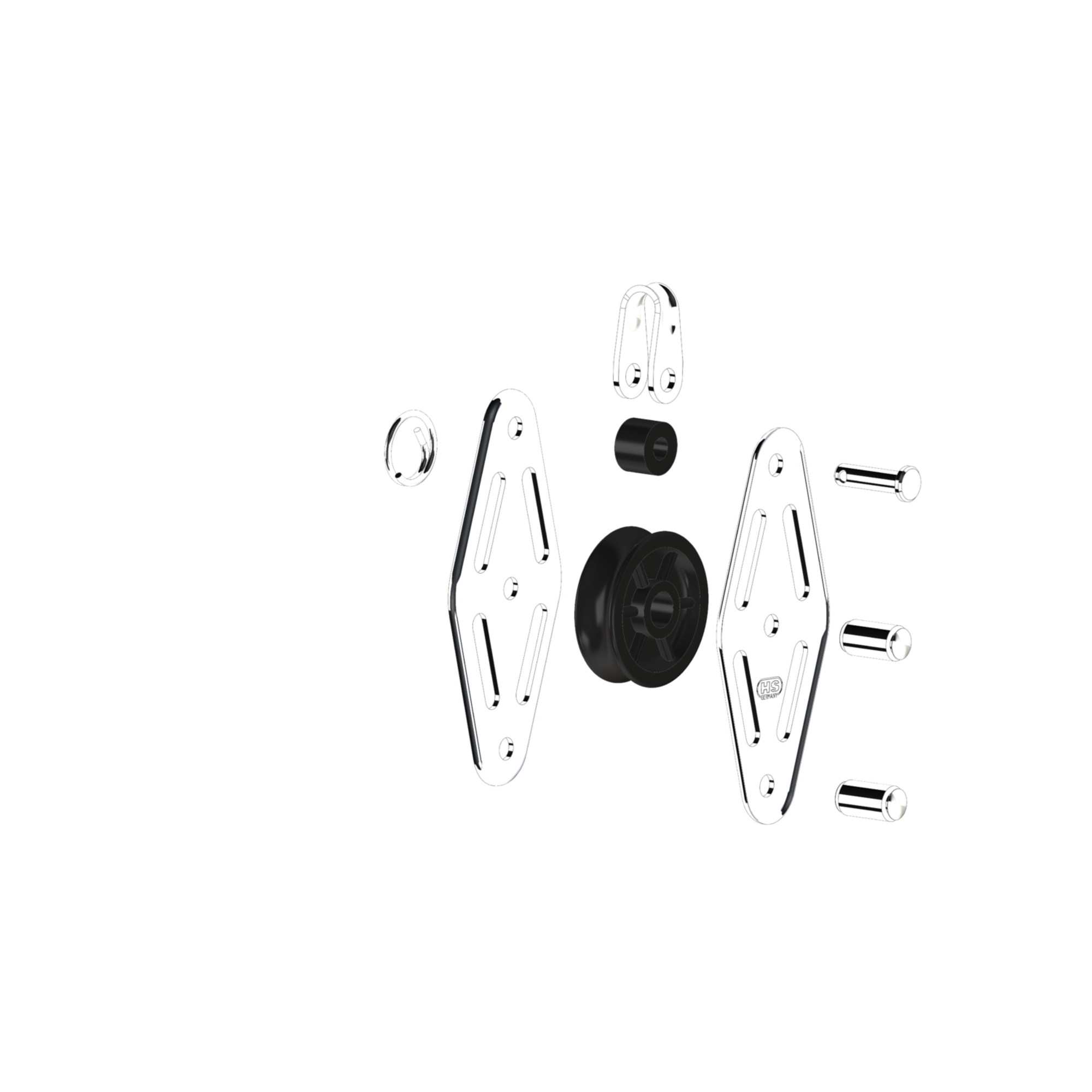
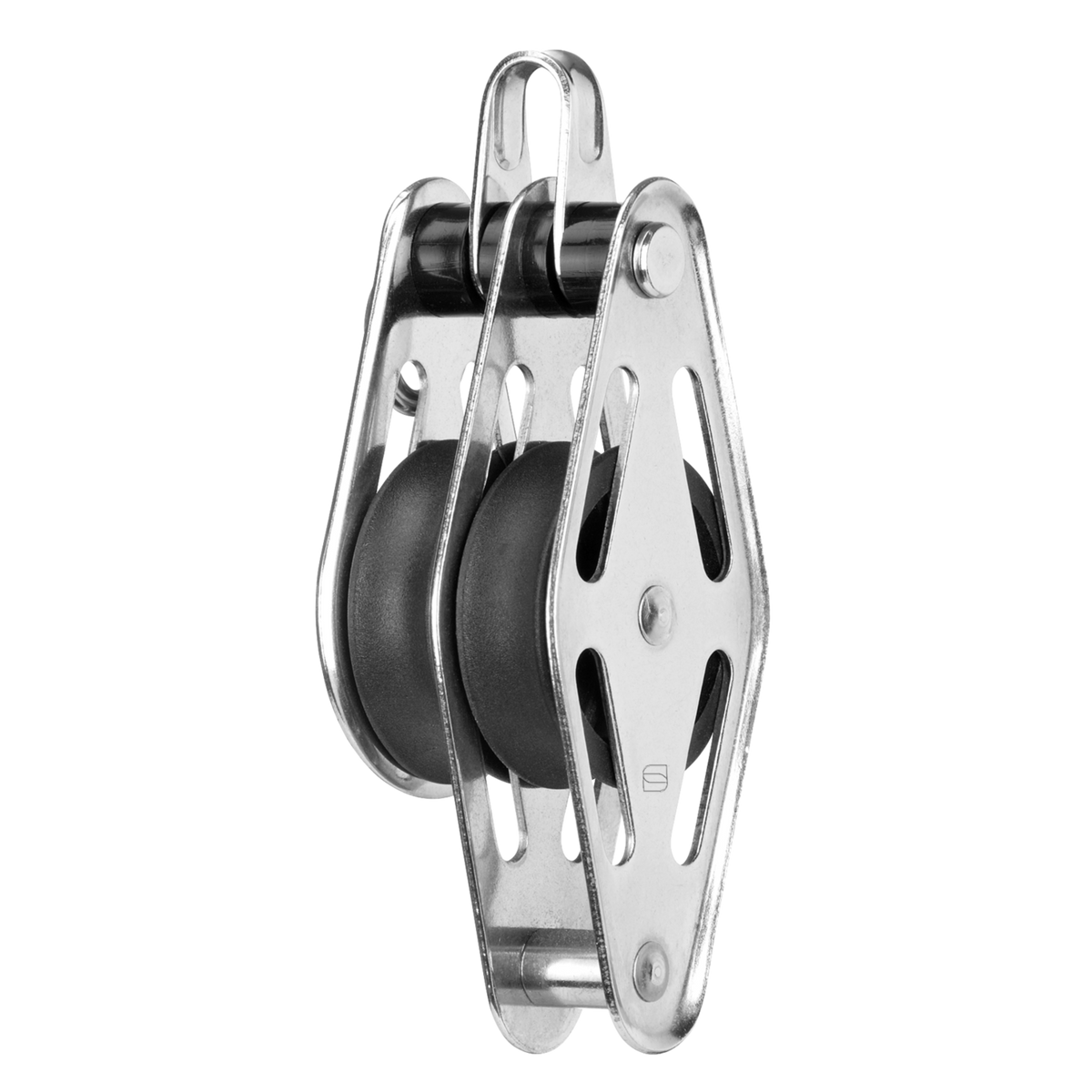
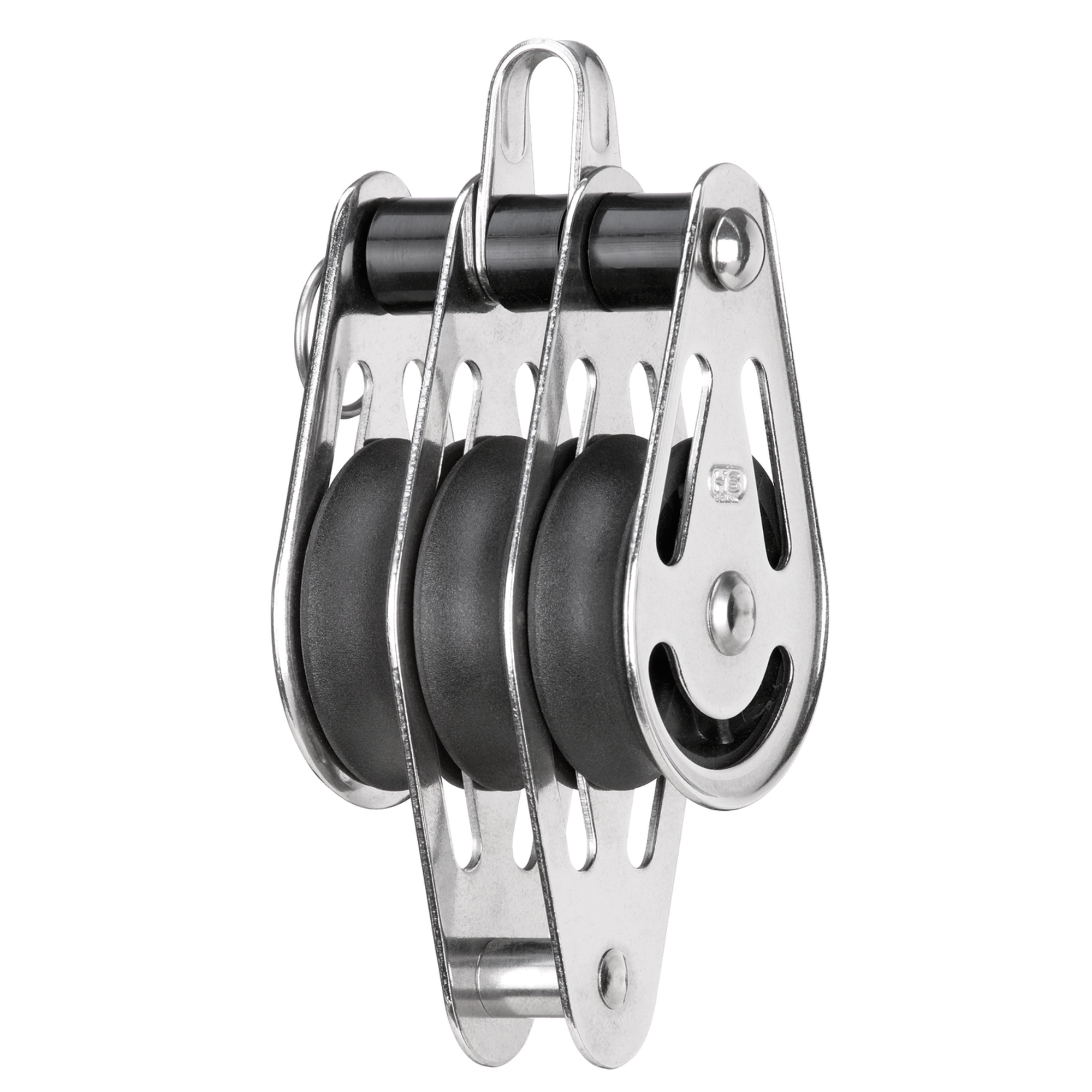
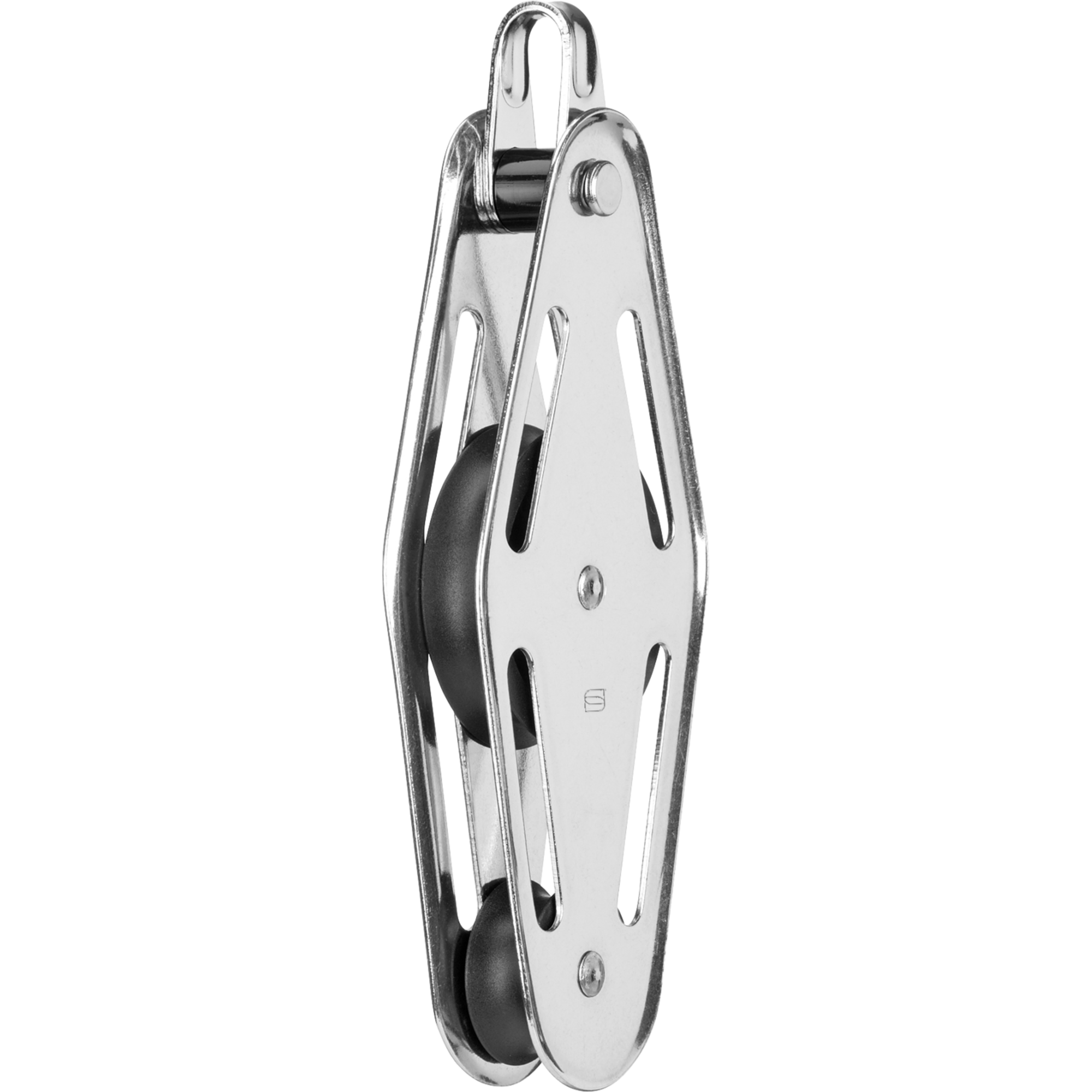
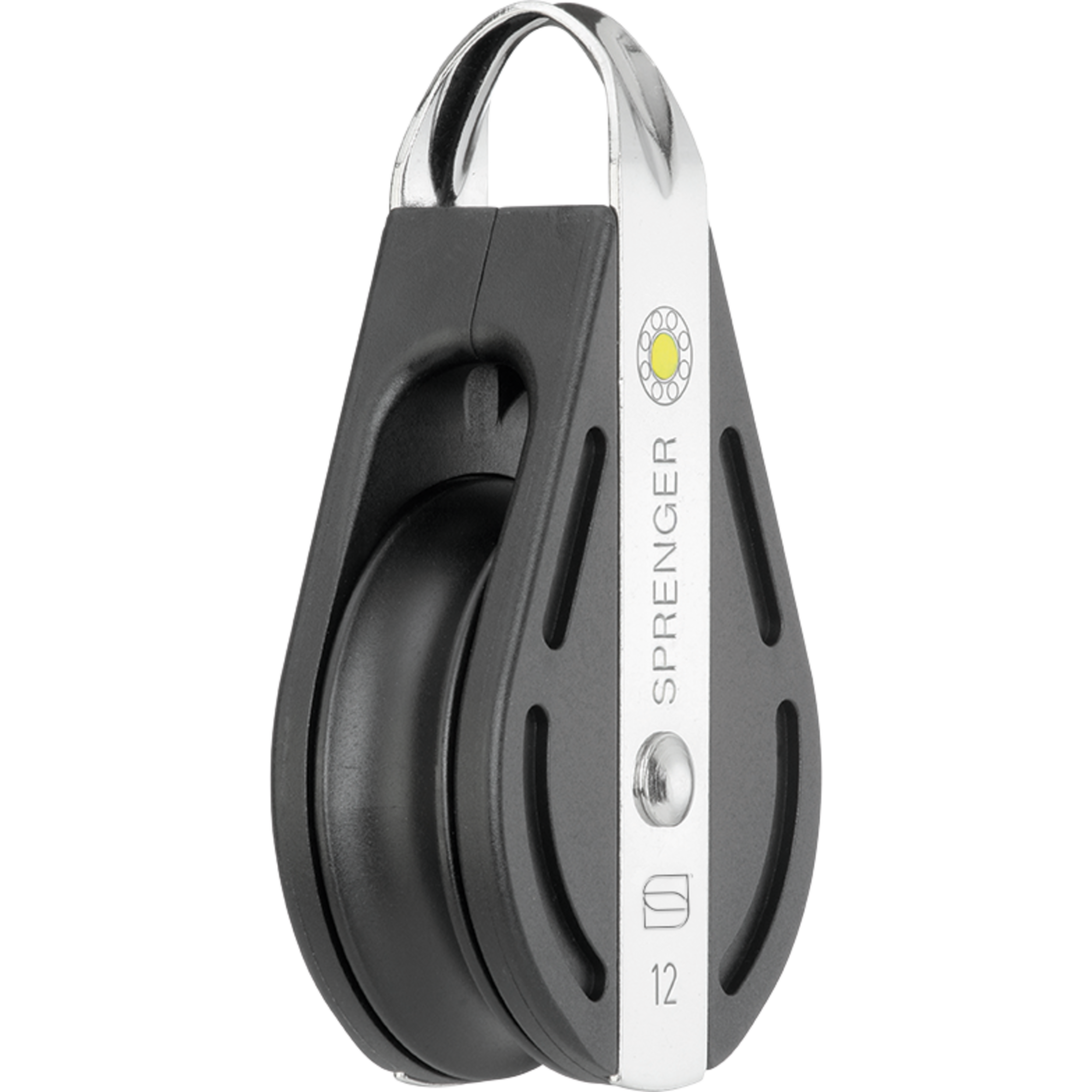
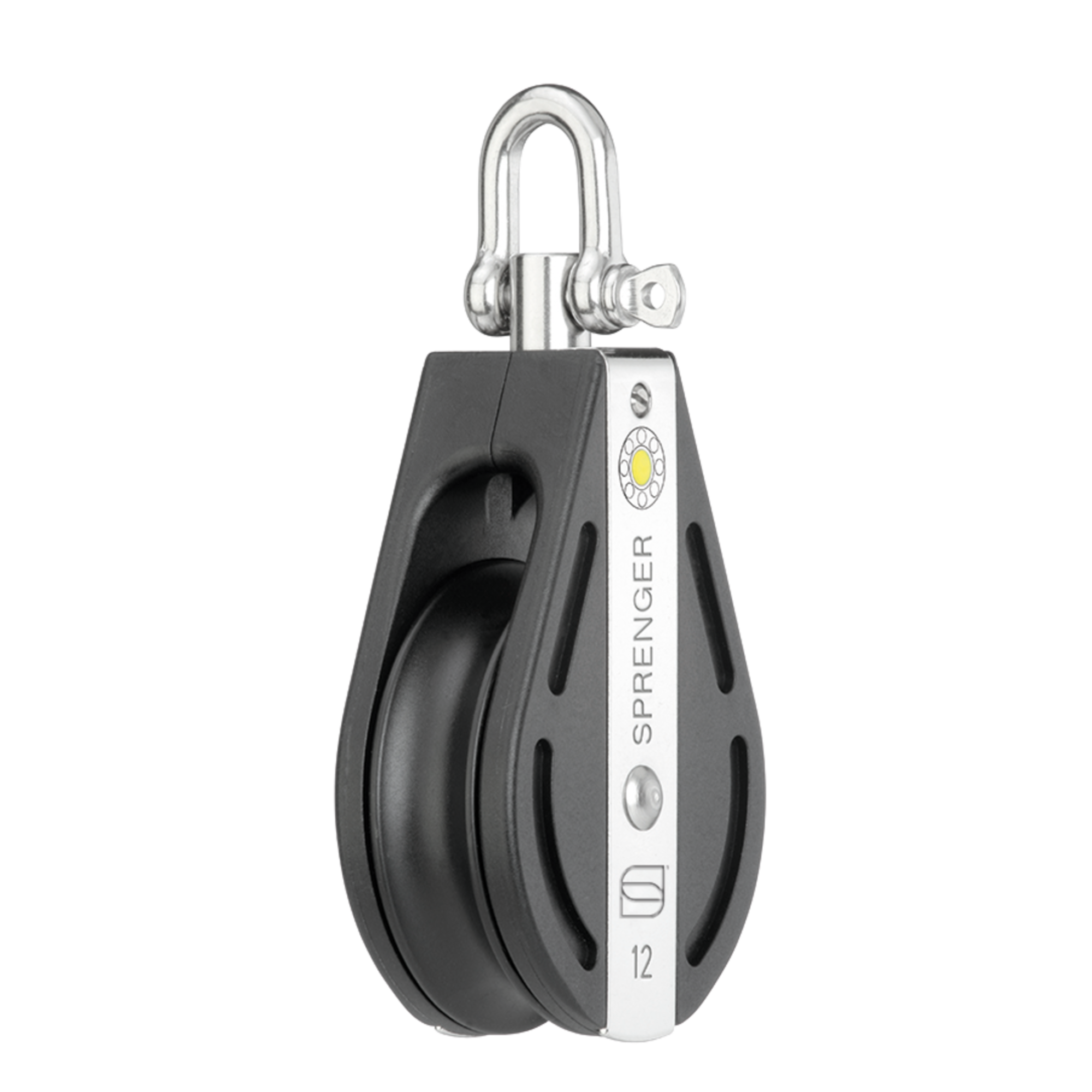
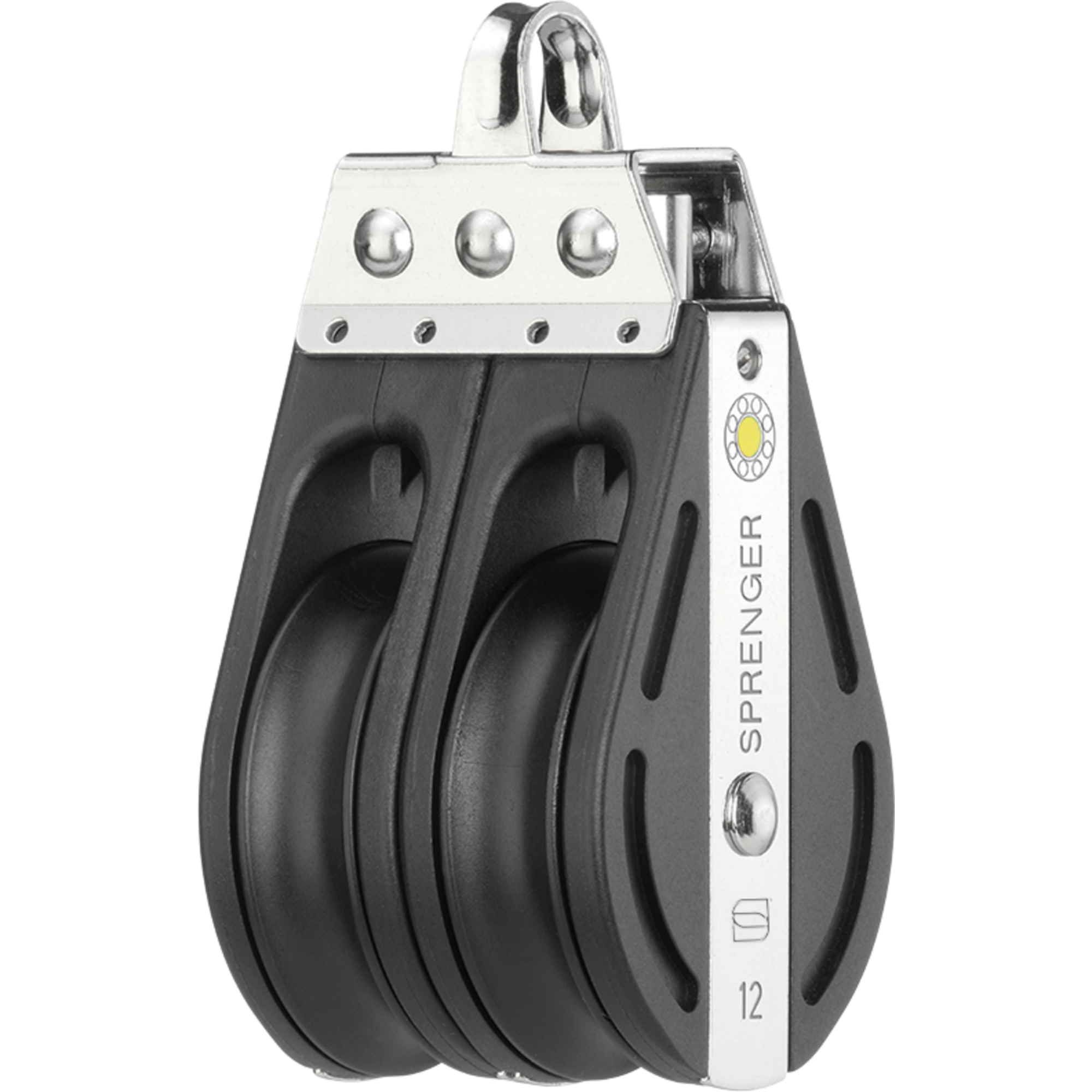
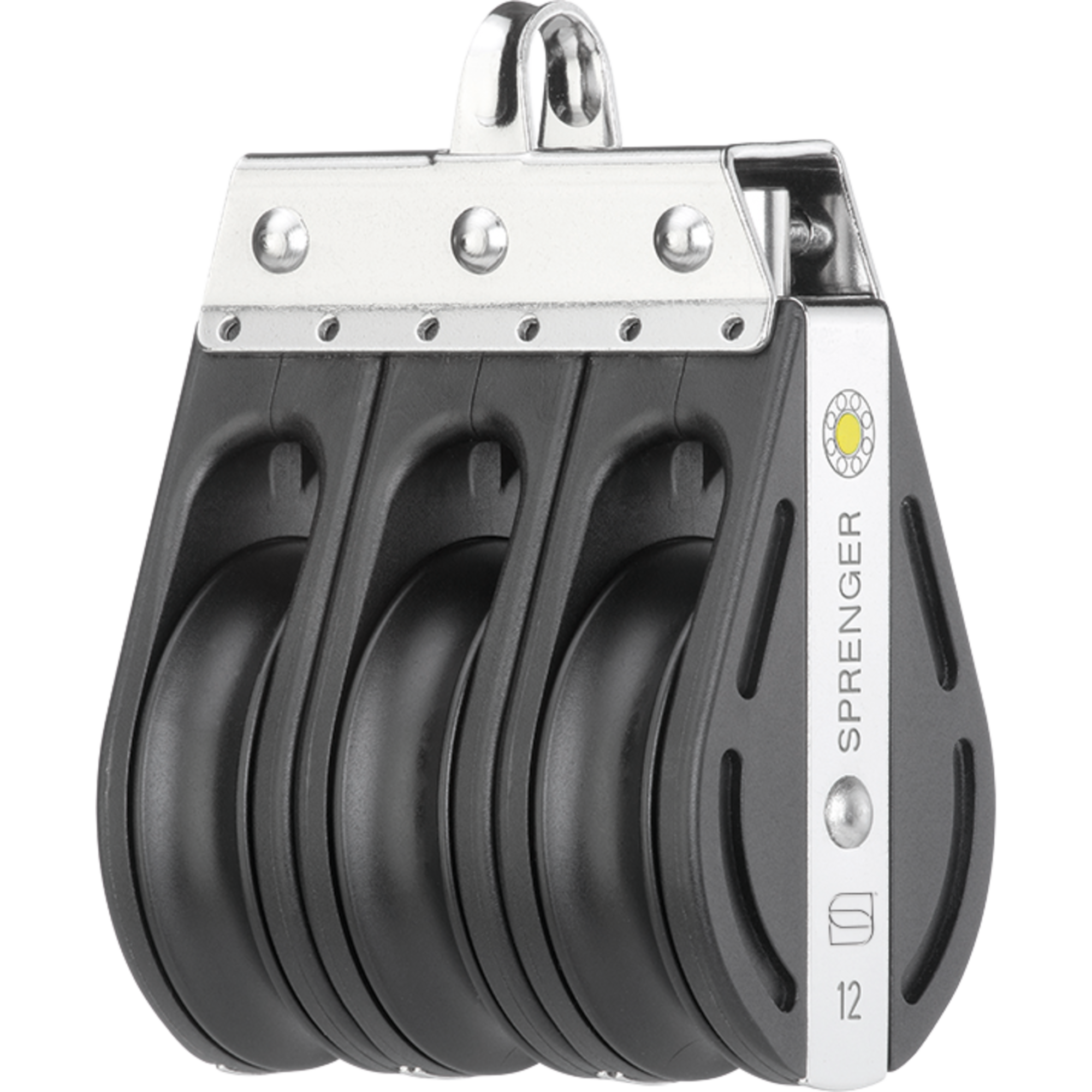
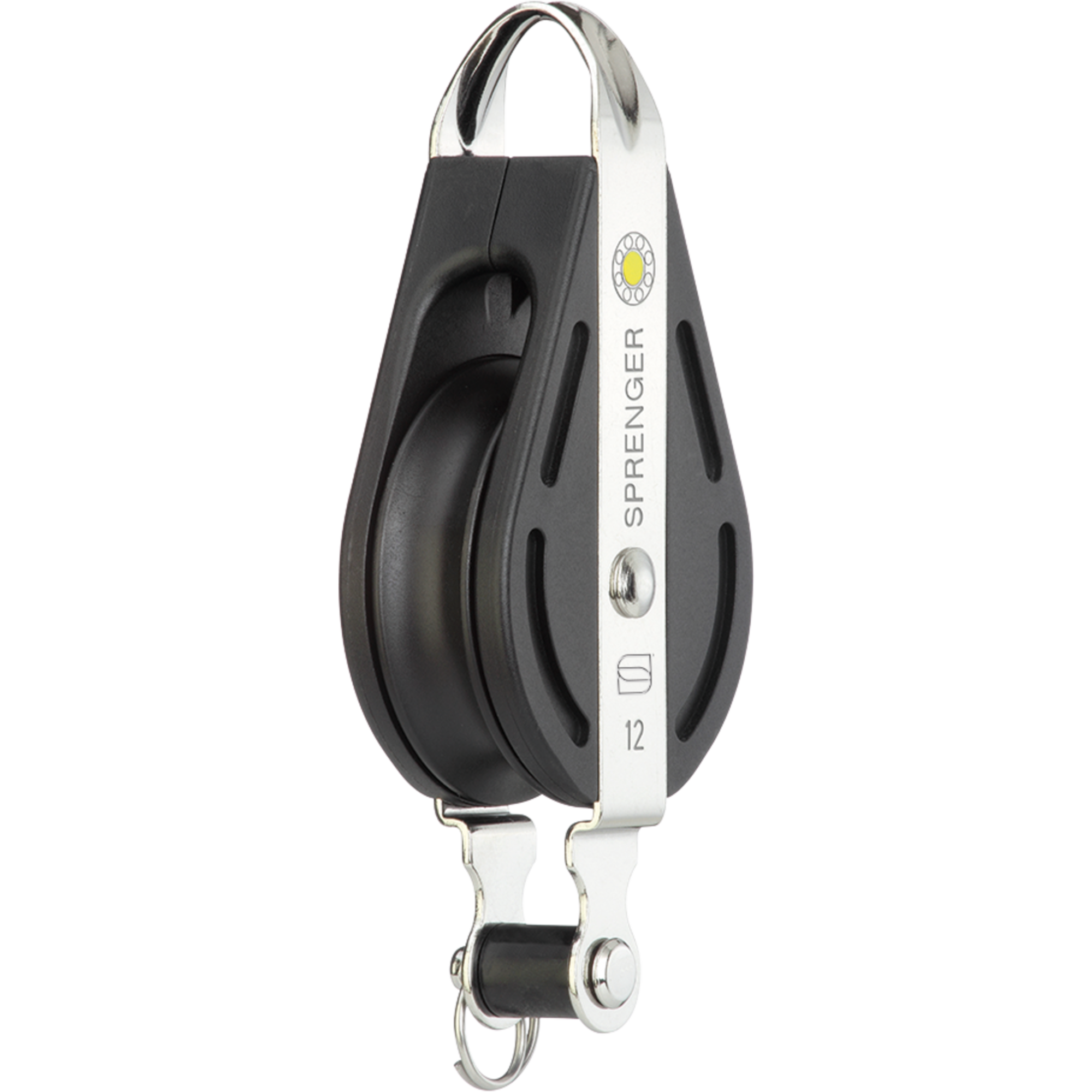
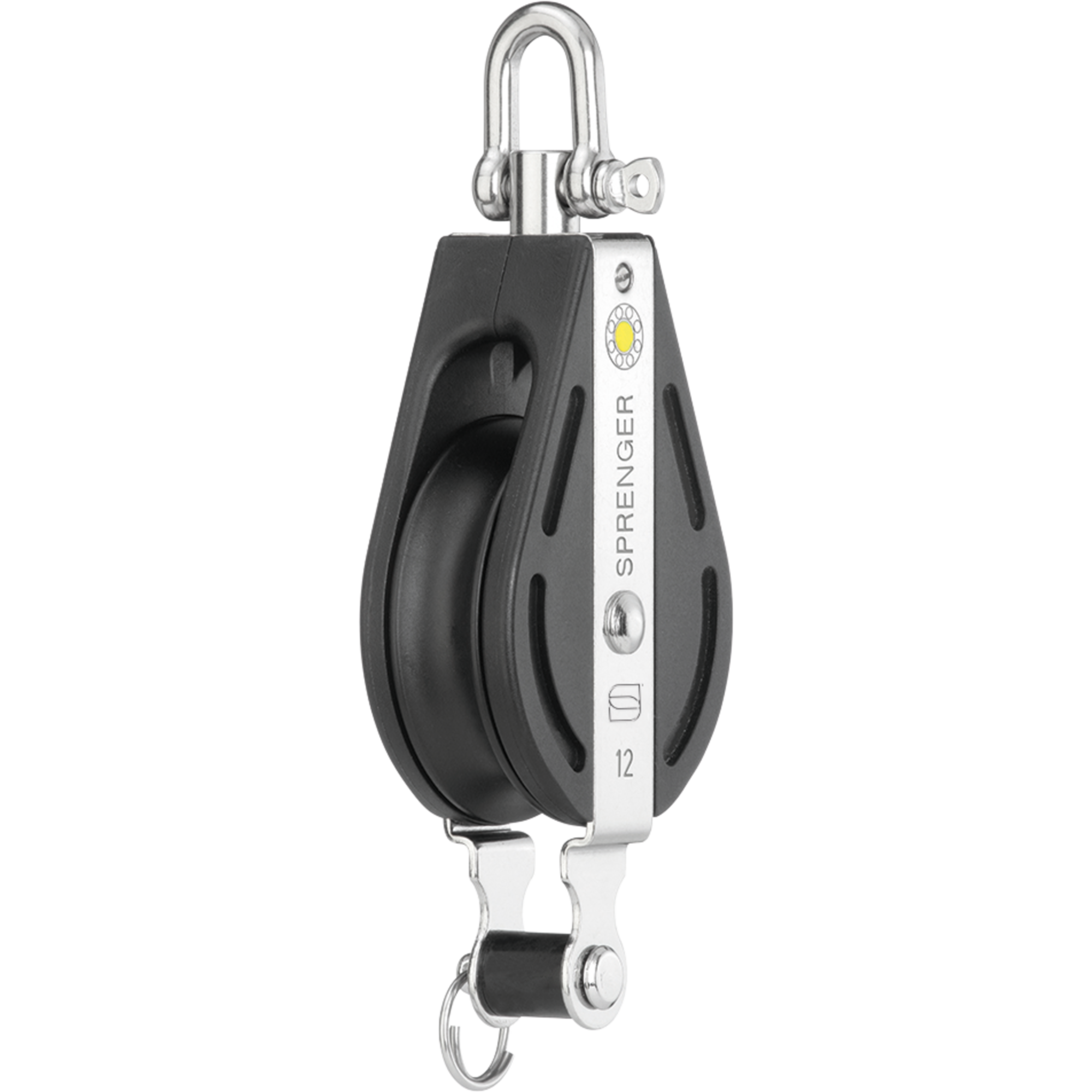
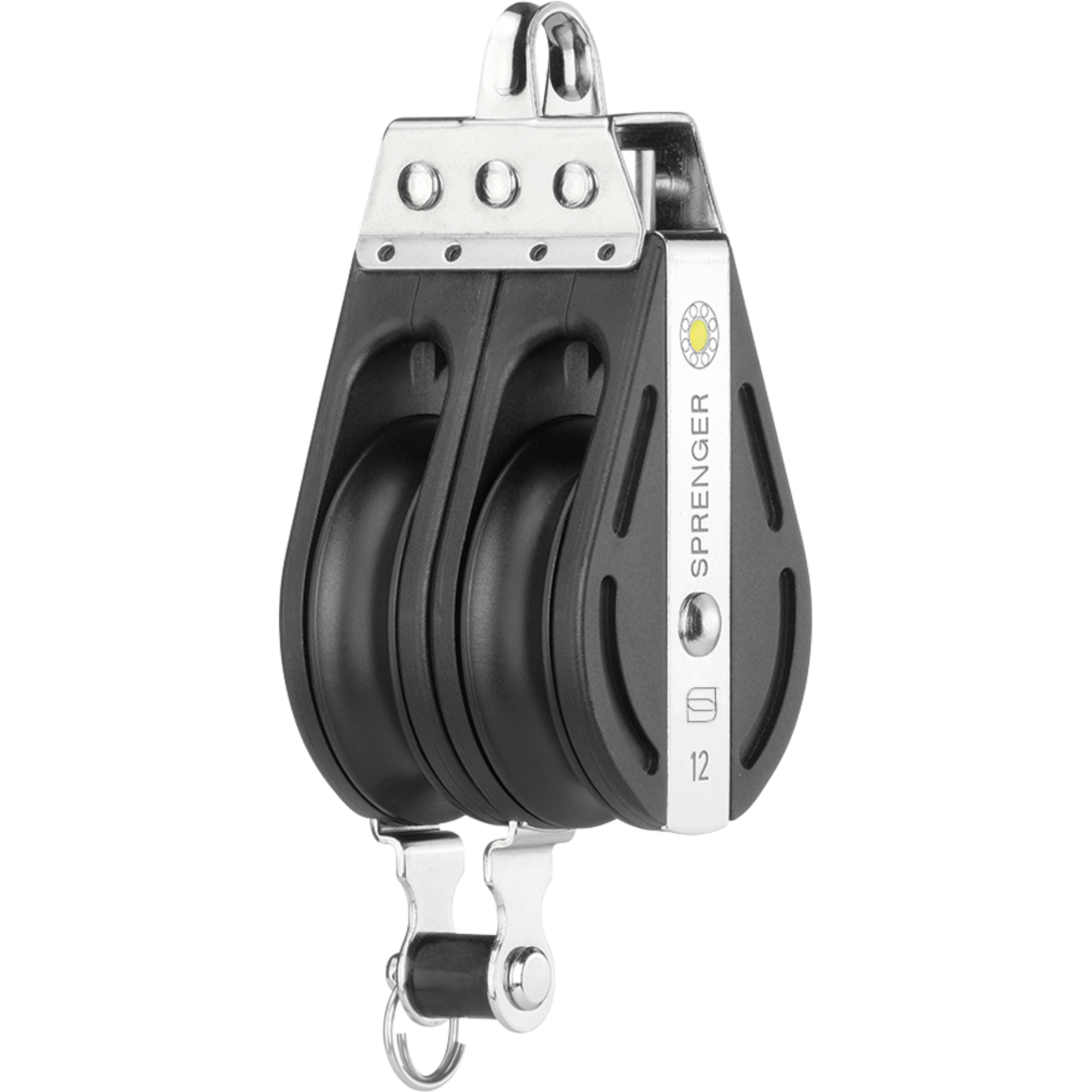
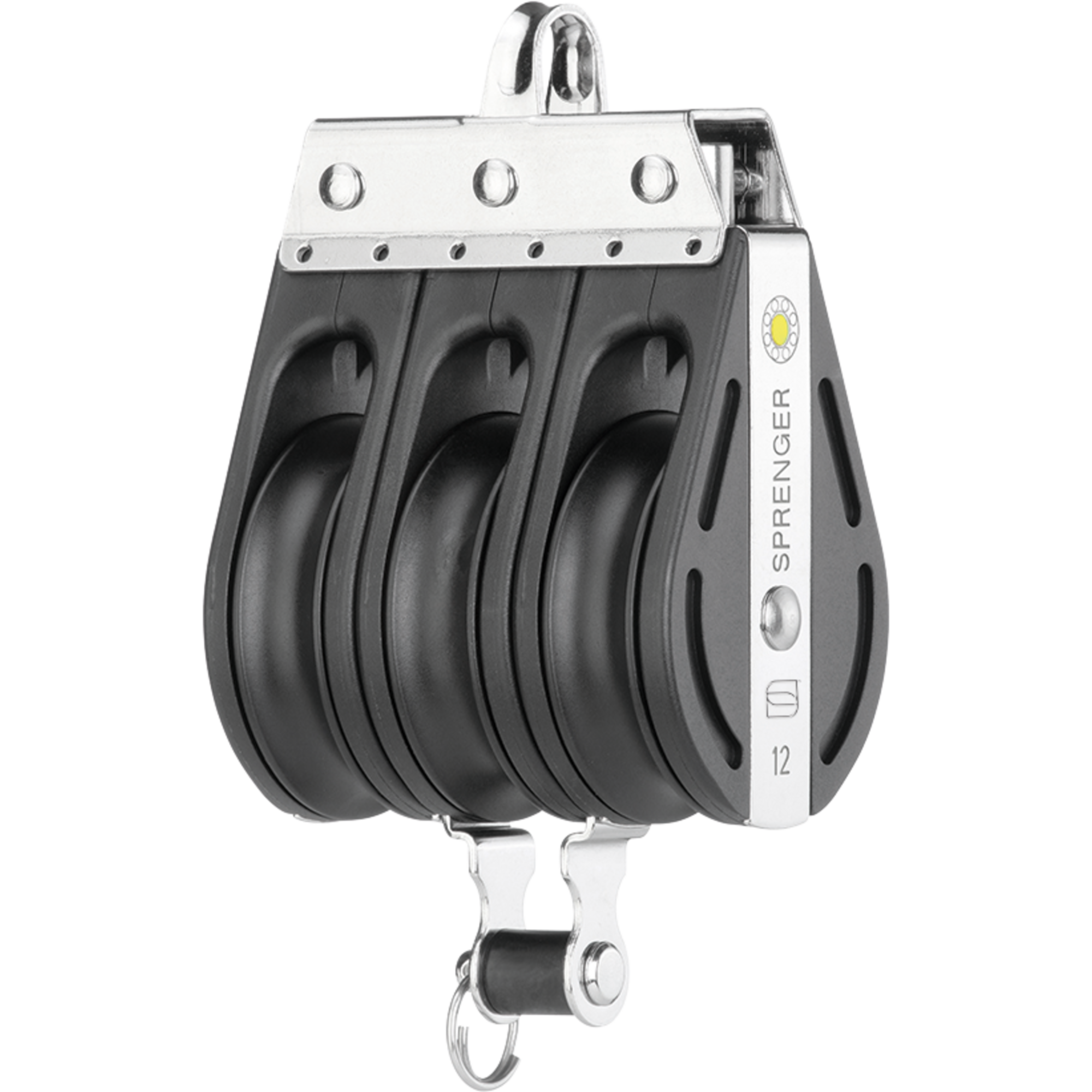
In plain bearing blocks, the disc runs directly on a shaft without any additional ball or roller bearings. The disc is usually made of nylon or other materials that offer good sliding properties and are durable.
Provided high-quality materials are used and the shaft has the largest possible diameter, these comparatively simple blocks are very robust, durable and maintenance-free. They also ensure smooth running.
Plain bearing blocks are particularly suitable for applications involving static or continuously applied loads.
A block will only function reliably if it is fitted in such a way that it can move freely and align itself automatically with the direction of pull of the rope or wire rope. This is the only way to ensure that the load runs smoothly over the sheave.
If, on the other hand, the block is fitted in such a way that it cannot align itself freely, there is a risk of it becoming jammed. In this case, the loaded rope may press against the block’s jaw, causing damage to the block. In the worst-case scenario, the rope becomes trapped between the suspension and the sheave and jams.
Such jamming poses a significant safety risk to the vessel and its crew. It is therefore essential that every block installation is carefully planned, correctly carried out and regularly inspected.
Damage to blocks is often caused by overloading, for example when they are undersized. So-called ‘patent halyards’ or the use of shackles instead of a suitable swivel can also lead to problems.
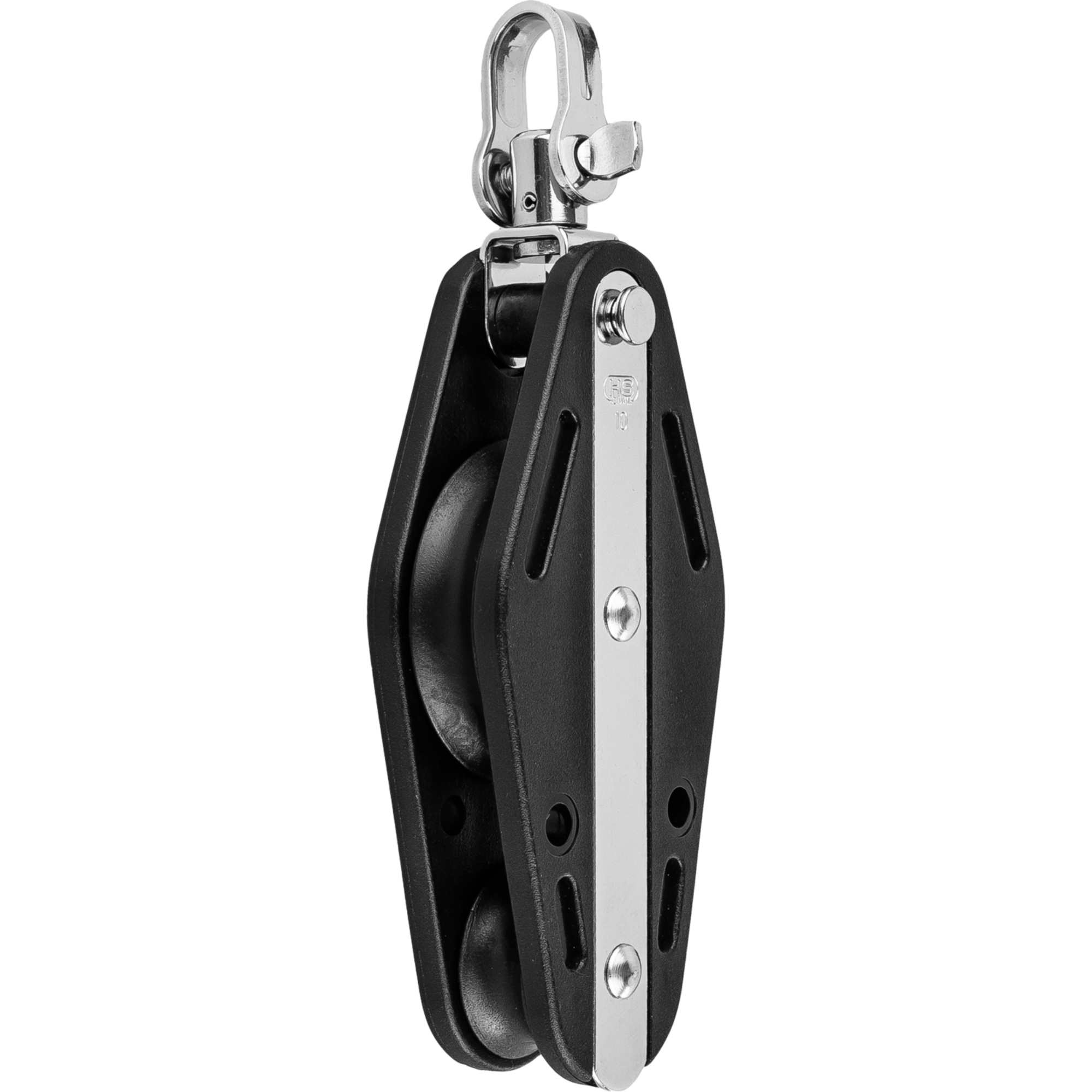
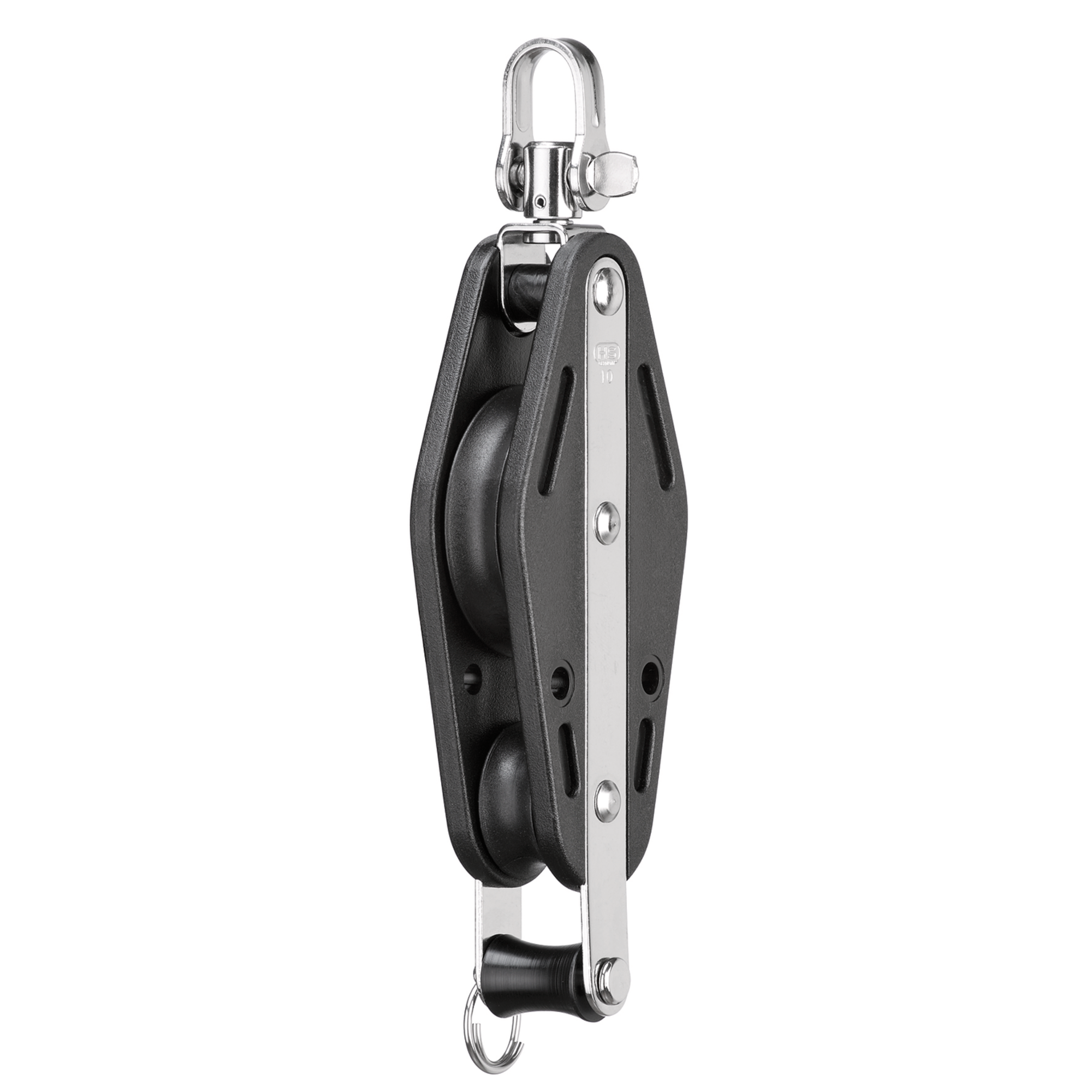
If a block is used without a swivel, even though a swivelling suspension is required, the sheet can force the block to rotate. As this movement cannot be counteracted, the sheet no longer runs smoothly over the sheave but presses against the side plate.
The forces at work in this situation lead to severe deformation and, in the worst case, can completely destroy the block. For this reason, blocks with swivels should be used whenever possible.
Yes, Sprenger blocks are generally designed and suitable for use in salt water.
However, slight rusting may occur in isolated cases, particularly around the rivets and in the vicinity of the riveted areas. Whilst this cannot be completely prevented from a technical point of view, it does not affect the quality or function of the block.
These are minimal, superficial residues or deposits left by machining tools. This slight ‘rust’ affects only the surface and can be easily removed.
Newsletter
always up to date
Stay informed.
Flexible
payment methods
At a glance in the shopping cart.
60 Days Return
Innerhalb von Deutschland kostenfreie Retoure.
Free
shipping
For orders over 100€.

Newsletter.
Always up to date.
Our newsletter for you.