

There are several ways to apply a top coat over VC® 17m:
1. Recoat with VC® Offshore EU
Roughen the surface of VC® 17m thoroughly with sandpaper.
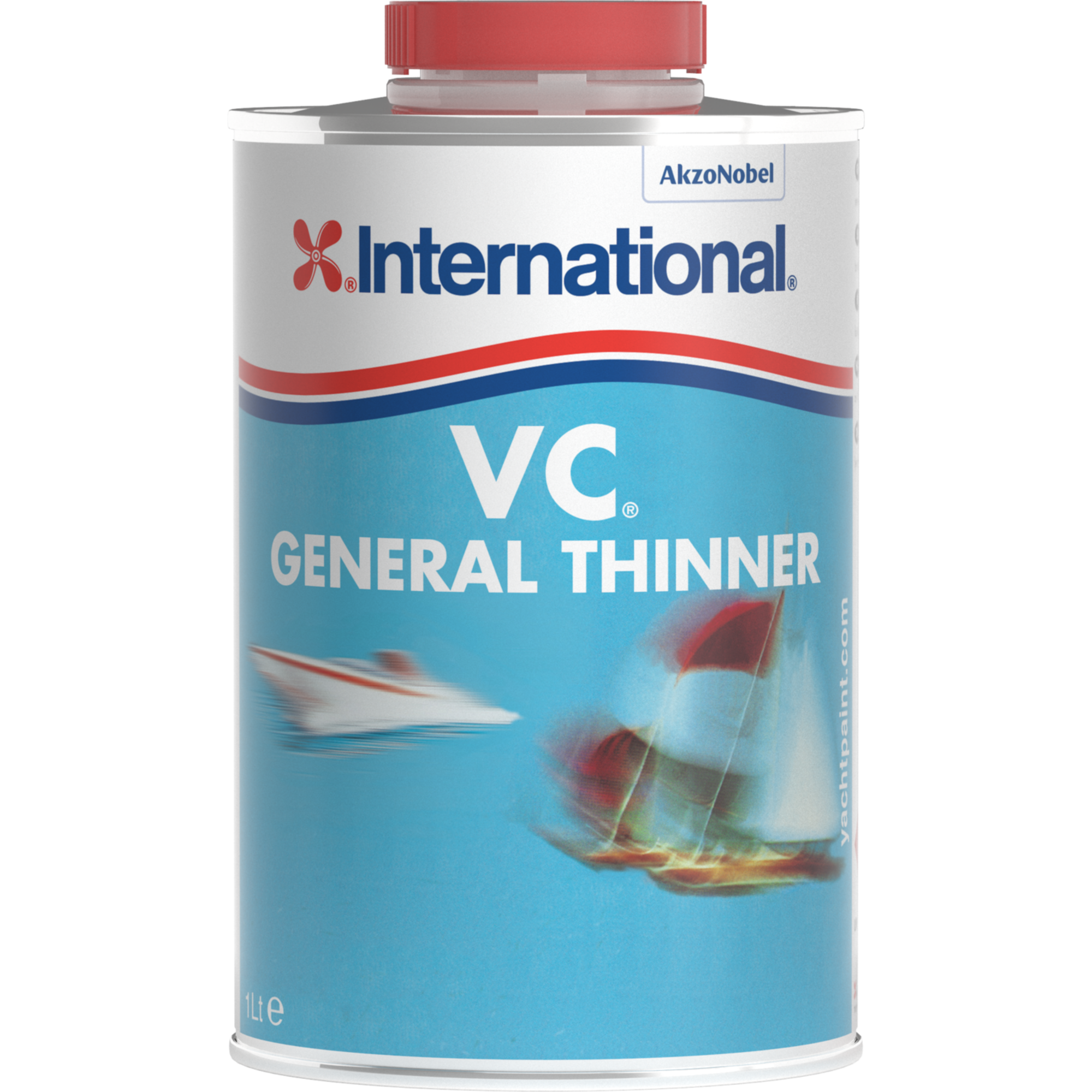
Apply the first coat of VC® Offshore EU generously, using 5–10 % VC® General Thinner.
Apply the second and, if necessary, third coat with little or no thinner.
Drying time between coats: 1.5–2 hours.
2. Remove VC® 17m and recoat with VC® Offshore EU
Sand down the VC® 17m coarsely.
Renew the old VC® Tar coating with two fresh coats of VC® Tar.
At 23 °C, apply the first coat of VC0174 Offshore EU after 3–6 hours.
Apply the second and third coats after 1.5–2 hours each.
3. Remove VC® 17m and recoat with International® Ultra 300
Roughly sand the VC® 17m.
Replace the old VC® Tar coating with two new coats of Gelshield® 200.
Then apply 2–3 coats of International® Ultra 300.
4. Switch to the biocide-free antifouling B-Free Explore
Sand the VC® 17m with 80–120 grit sandpaper.
Apply 1 coat of B-Free Conversion Coat.
Follow this with 1 coat of B-Free Tiecoat.
Apply 2 coats of B-Free Explore.
What are the alternatives to VC® 17m?

The simplest option is to recoat the hull with VC® Offshore EU hard antifouling, which is compatible with VC® 17m.
Alternatively, you can switch to the biocide-free B-Free Explore. This silicone-based antifouling prevents fouling thanks to its smooth surface, improves fuel efficiency and is virtually self-cleaning when the boat is moving through the water.